


Les serveurs dédiés alimentés par GPU pour les charges de travail informatiques extrêmes ont révolutionné la façon dont les organisations traitent les tâches gourmandes en calcul, comme la formation de modèles d'IA., traitement des mégadonnées, 3Rendu D, et analyses en temps réel. En tirant parti de la puissance de traitement des GPU avec la fiabilité et les capacités d'utilisation des ressources des serveurs dédiés, ces serveurs suppriment les goulots d'étranglement en termes de performances et accélèrent considérablement les temps de traitement. Contrairement aux serveurs partagés ou utilisant uniquement le processeur, ces serveurs offrent un débit élevé et cohérent, formation rapide de modèles d'IA, et une évolutivité sans effort, ce qui en fait le choix idéal pour les organisations qui exigent une efficacité maximale, fiabilité, et performances sous une contrainte informatique extrême.
Que sont les serveurs dédiés alimentés par GPU?
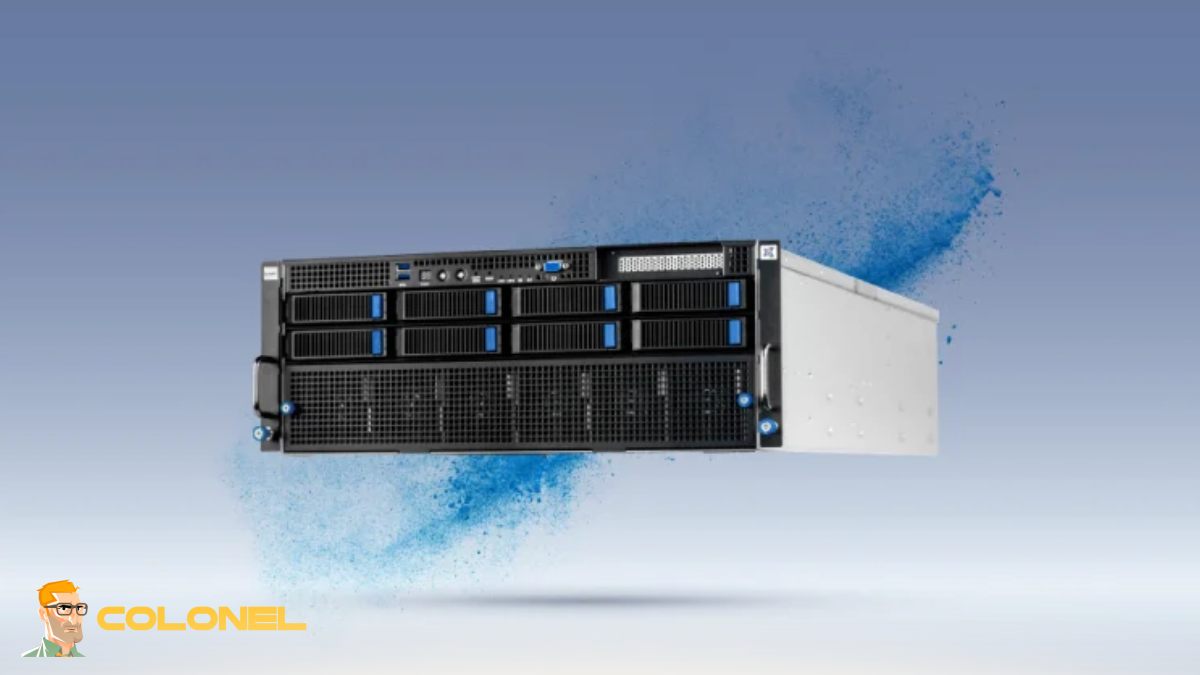
Les serveurs dédiés alimentés par GPU sont de puissants serveurs physiques équipés d'une ou plusieurs unités de traitement graphique., qui sont conçus pour traiter des tâches gourmandes en calcul qui ne sont pas traitées efficacement par les serveurs traditionnels basés sur CPU. Contrairement à l'hébergement mutualisé, Les serveurs dédiés donnent un accès complet aux ressources matérielles, garantir des performances prévisibles, latence, et puissance de traitement. Ils sont conçus pour des tâches de calcul parallèles telles que la formation de modèles d'intelligence artificielle., simulations scientifiques, rendu en temps réel, et analyse du Big Data. Un serveur dédié GPU supprime le problème des voisins bruyants et permet aux entreprises d'exécuter des applications gourmandes en ressources sans concurrence sur les ressources., ce qui en fait la meilleure solution d'infrastructure pour les entreprises et les organismes de recherche.

Pourquoi les charges de travail extrêmes nécessitent une accélération GPU
Les charges de travail extrêmes sont caractérisées par de grands ensembles de données, algorithmes sophistiqués, et la nécessité d'un traitement en temps réel. Les processeurs sont conçus pour le traitement séquentiel, alors que les GPU sont conçus pour gérer des milliers de threads en parallèle. Cela rend le temps de traitement pour des tâches telles que la formation des réseaux neuronaux, lancer de rayons, et simulations moléculaires nettement plus courtes. Sinon, ces tâches prendraient des jours, voire des semaines, sans accélération GPU. La génération actuelle d'industries dépend du calcul GPU pour obtenir des résultats plus rapides., ce qui a un effet direct sur l’innovation, productivité, et efficacité.
Principaux avantages de l'infrastructure dédiée alimentée par GPU
Le principal avantage des serveurs dédiés alimentés par GPU réside dans leur puissance de traitement et leurs capacités d'isolation.. Vous bénéficiez des avantages suivants:
- Puissance de traitement accrue pour le calcul parallèle
- Ressources exclusives de bande passante et de stockage
- Accès root et flexibilité
- Traitement cohérent pour les périodes de formation prolongées
- Meilleure rentabilité
Cette infrastructure convient aux organisations nécessitant des résultats prévisibles et une informatique étendue sans interruption..

Hébergement Web WordPress
À partir de 3,99 $/mois
Performances GPU vs CPU pour les tâches informatiques lourdes
En cours d'analyse de tâches informatiques lourdes, il est important de bien comprendre les différences entre les GPU et les CPU. Bien que les processeurs soient optimisés pour le calcul séquentiel et le calcul général, Les GPU sont optimisés pour le calcul parallèle massif, ce qui les rend parfaitement adaptés aux tâches telles que les calculs matriciels de grande taille, Formation en IA, et simulations scientifiques. Une comparaison entre l'architecture de base, vitesse, et l'efficacité des GPU et des CPU contribuent à expliquer pourquoi les serveurs dédiés alimentés par GPU sont généralement plus rapides que les serveurs CPU.
| Fonctionnalité | GPU | Processeur |
|---|---|---|
| Nombre de noyaux | Des milliers | Des dizaines |
| Traitement parallèle | Excellent | Limité |
| Vitesse d'entraînement de l'IA | Très rapide | Lent |
| Efficacité énergétique par tâche | Haut | Modéré |
| Idéal pour | IA, Rendu, HPC | Charges de travail générales |
Pour les opérations matricielles et l’apprentissage profond, Les GPU surpassent largement les CPU.
Technologies clés dans l'accélération GPU
L’infrastructure GPU moderne ne se limite pas au nombre de cœurs. Il englobe diverses technologies qui accélèrent les moteurs d’IA, optimiser la bande passante mémoire, et facilitent un transfert de données extrêmement rapide entre les composants. Ces technologies permettent aux serveurs GPU de traiter des tâches informatiques d'entreprise avec une efficacité sans précédent..
CUDA, Noyaux tenseurs, et prise en charge du moteur IA
CUDA permet aux programmeurs d'exploiter la puissance des GPU pour l'informatique à usage général, tandis que les Tensor Cores accélèrent la multiplication matricielle à précision mixte dans l'apprentissage profond. Les moteurs TensorFlow et PyTorch sont optimisés pour le calcul GPU, permettant de former et de tester des modèles plus rapidement. C'est pourquoi un serveur GPU pour l'IA est désormais un élément essentiel de la science des données moderne..
Stockage NVMe et mise en réseau rapide
Le calcul GPU est gourmand en mémoire. Le stockage NVMe supprime les goulots d'étranglement du stockage, et une mise en réseau rapide permet un transfert de données rapide entre les nœuds dans une configuration de cluster. Cela permet des temps de formation et de rendu plus rapides.

Serveur VPS pas cher
À partir de 2,99 $/mois
Systèmes mono-GPU vs systèmes multi-GPU
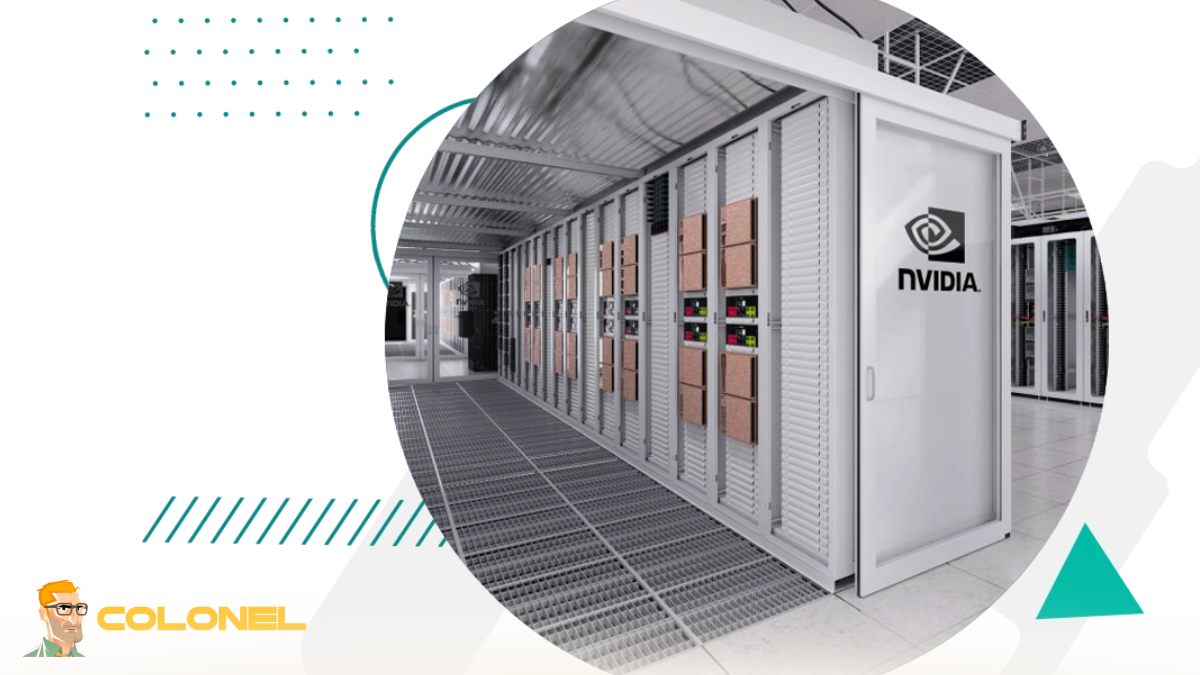
Les systèmes à GPU unique sont idéaux pour les petits projets et les postes de travail de développement. Les systèmes multi-GPU sont utilisés dans:
- Formation à l'IA distribuée
- Grandes simulations
- Rendu haute résolution
Ces systèmes démontrent une évolutivité linéaire lorsqu’ils sont correctement optimisés.
Cas d'utilisation de serveurs dédiés alimentés par GPU
Les serveurs dédiés alimentés par GPU sont utilisés dans divers secteurs où la vitesse est une priorité et où les temps d'arrêt du système ne sont pas acceptables..
Intelligence artificielle, Apprentissage automatique, et apprentissage profond
Dans les applications de traitement du langage naturel et de vision par ordinateur, L'accélération GPU contribue à une convergence plus rapide des modèles et à un traitement en temps réel.

Hébergement VPS Windows
Remote Access & Full Admin
Selon Nvidia:
« Les GPU sont devenus l’épine dorsale de l’infrastructure d’IA moderne, offrant des accélérations massives pour la formation des réseaux neuronaux profonds.
3D Rendu et traitement vidéo
Moteurs de rendu comme Blender, Moteur irréel, et V-Ray utilisent le traitement GPU pour la visualisation en temps réel et la production cinématographique.
Analyse du Big Data et calcul haute performance (HPC)
Simulations scientifiques, modélisation météo, et les simulations financières nécessitent toutes des clusters GPU pour un calcul rapide.
Serveurs GPU dédiés ou cloud: Lequel est le meilleur?
Les serveurs Cloud GPU offrent flexibilité et évolutivité, alors que les serveurs dédiés offrent des performances constantes et sont rentables à long terme. Les entreprises ayant des charges de travail constantes ont tendance à opter pour des serveurs dédiés, car payer chaque mois pour un serveur GPU cloud peut s'avérer coûteux..
Comment choisir le bon serveur dédié alimenté par GPU
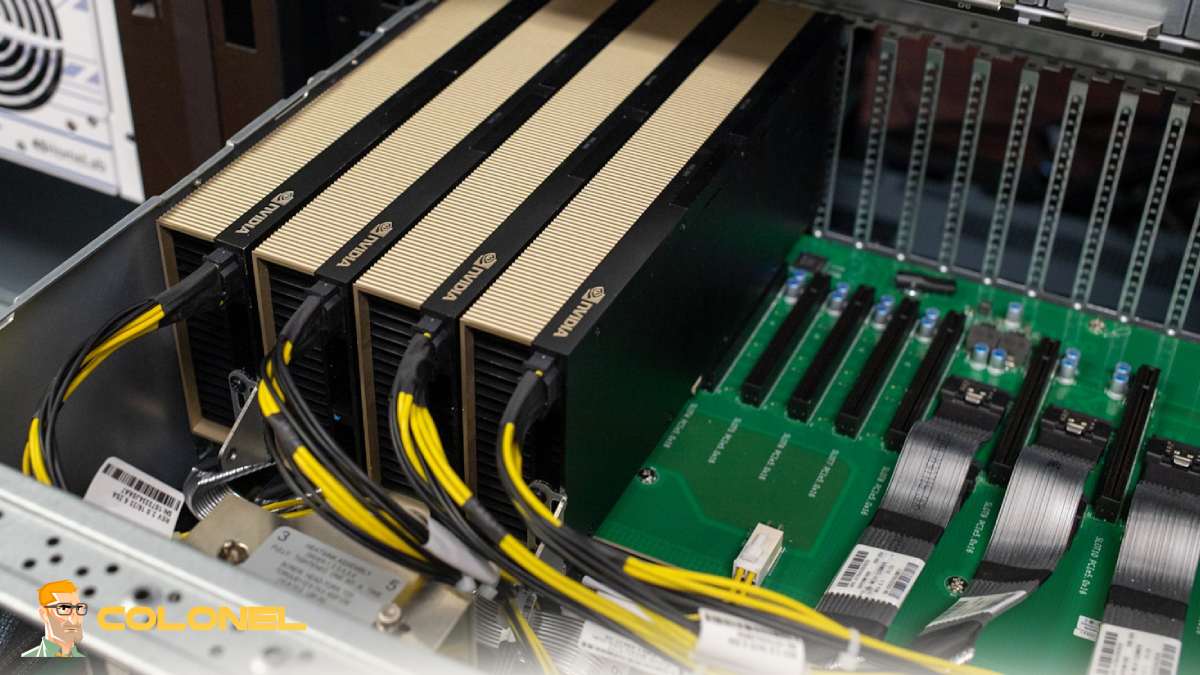
La sélection du bon serveur dédié alimenté par GPU est cruciale pour garantir que vos charges de travail s'exécutent efficacement sans dépenser trop de ressources inutiles..
- Commencez par évaluer votre type de charge de travail: est-ce que vous organisez une formation en IA, 3Rendu D, analyse des mégadonnées, ou simulations scientifiques? Chaque charge de travail a des exigences différentes sur les cœurs GPU, bande passante mémoire, et vitesse de stockage.
- Suivant, Tenir compte des exigences VRAM. Les modèles haute résolution ou les grands ensembles de données nécessitent plus de mémoire GPU pour éviter les goulots d'étranglement. Une VRAM insuffisante peut ralentir l'entraînement ou le rendu, annulant les avantages du matériel dédié.
- La vitesse de stockage est tout aussi importante; Les SSD NVMe offrent des opérations de lecture/écriture plus rapides que les disques traditionnels, réduire les délais de chargement de grands ensembles de données.
- La bande passante du réseau joue également un rôle, en particulier pour les configurations multi-nœuds où les données doivent se déplacer rapidement entre les GPU. Enfin, prendre en compte votre budget.
Alors que de nombreux utilisateurs comparent le prix du serveur GPU et le prix du serveur GPU NVIDIA pour prendre une décision, Il est essentiel d’équilibrer les performances et les coûts. Pour les développeurs en Europe, un serveur GPU Hetzner est souvent un choix populaire en raison de sa fiabilité et de son prix compétitif.
Évolutivité pour des charges de travail croissantes
Au fur et à mesure que vos projets se développent, votre infrastructure GPU doit évoluer en conséquence. L'évolutivité garantit que vous pouvez gérer des ensembles de données plus volumineux, modèles plus complexes, et des délais de traitement plus longs sans ralentir les opérations. Les clusters GPU multi-nœuds sont couramment utilisés dans les pipelines d'IA d'entreprise, permettant aux tâches d'être réparties sur plusieurs GPU pour un calcul plus rapide. Investir dans un système capable d’évoluer efficacement permet de gagner du temps, réduit les temps d'arrêt, et pérennisez votre infrastructure à mesure que les charges de travail augmentent.
Considérations relatives à l'efficacité énergétique et au refroidissement
Les GPU hautes performances consomment beaucoup d’énergie, et une utilisation prolongée peut générer une chaleur importante. Des systèmes de refroidissement et une conception de flux d'air appropriés sont essentiels pour maintenir des performances constantes et prévenir la dégradation du matériel.. Une alimentation et une surveillance efficaces de l'énergie contribuent également à réduire les coûts d'électricité tout en garantissant que le serveur fonctionne à capacité optimale.. Les organisations exécutant plusieurs nœuds GPU envisagent souvent le refroidissement liquide ou la gestion avancée du flux d'air pour maximiser l'efficacité et prolonger la durée de vie du matériel..
Conseils d'optimisation des performances pour les charges de travail GPU
Même le serveur dédié alimenté par GPU le plus puissant peut être sous-performant sans optimisation. Pour maximiser le débit:
- Utilisez des tailles de lots optimisées pour réduire le temps d'inactivité du GPU.
- Activer un entraînement de précision mixte pour les tâches d'IA, qui équilibre vitesse et précision.
- Surveillez l'utilisation du GPU pour identifier les goulots d'étranglement ou les ressources sous-utilisées.
- Évitez les goulots d'étranglement du pipeline de données en vous assurant que les processus d'entrée/sortie correspondent à la vitesse du GPU.
Ces stratégies réduisent le temps de traitement, augmenter l'efficacité, et tirez le meilleur parti de votre investissement dans du matériel haute performance.

Sécurité et fiabilité dans l'hébergement GPU dédié
Les serveurs GPU dédiés offrent un environnement hautement sécurisé car les ressources ne sont pas partagées avec d'autres utilisateurs. Vous obtenez un contrôle total sur les pare-feu, cryptage, et les politiques d'accès, ce qui rend ces serveurs idéaux pour les données sensibles et les charges de travail critiques. Entreprises en finance, soins de santé, et la recherche s'appuie souvent sur l'hébergement de serveurs GPU pour les performances et la sécurité, assurer le respect de la réglementation tout en maintenant un traitement ininterrompu pour les projets à grande échelle.
Coût vs performance: Vaut-il l'investissement?
Alors que les serveurs dédiés alimentés par GPU peuvent être coûteux au départ, les avantages à long terme dépassent souvent la dépense initiale. Pour les charges de travail continues comme la formation en IA, fermes de rendu, ou simulations de recherche, les GPU dédiés offrent un meilleur retour sur investissement par rapport aux locations cloud, où la location récurrente de serveurs GPU peut rapidement s'additionner. Il est essentiel d’équilibrer les coûts et les performances: Tenez compte de votre charge de travail prévue, disponibilité requise, et longévité du matériel. Pour ceux qui construisent une infrastructure robuste, consulter des guides comme «Meilleures distributions Linux pour serveurs virtuels" peut aider à sélectionner un système d'exploitation optimisé pour les performances du GPU.
Tendances futures du calcul accéléré par GPU
Le paysage du calcul GPU évolue rapidement. Les principales tendances comprennent:
- GPU spécifiques à l'IA conçus pour les charges de travail d'apprentissage en profondeur.
- Centres de données à refroidissement liquide pour gérer efficacement la chaleur.
- Calcul GPU Edge pour le temps réel, traitement localisé.
- Virtualisation GPU, permettant à plusieurs utilisateurs ou applications de partager du matériel puissant.
- Intégration avec les flux de travail d'informatique quantique, repousser les limites des possibilités informatiques.
Ces innovations rendent les serveurs dédiés alimentés par GPU plus puissants, accessible, et efficace, s’assurer qu’ils restent la pierre angulaire du calcul haute performance dans les années à venir.
Conclusion
Les serveurs dédiés alimentés par GPU sont devenus la base du calcul haute performance moderne. Ils offrent une vitesse de traitement inégalée, fiabilité, et évolutivité pour l'IA, rendu, mégadonnées, et la recherche scientifique. Alors que les solutions cloud offrent de la flexibilité, L'infrastructure GPU dédiée offre des performances constantes et une meilleure valeur à long terme pour les organisations confrontées à de lourdes charges de travail continues.. À mesure que la technologie progresse et que les demandes informatiques augmentent, investir dans l'accélération GPU n'est plus une option : c'est une exigence stratégique pour les entreprises qui souhaitent rester compétitives dans un monde axé sur les données..