

Les meilleures pratiques en matière de sécurité des conteneurs aident à protéger les environnements conteneurisés contre les violations, attaques de la chaîne d'approvisionnement, mauvaises configurations, et les menaces d'exécution en intégrant des contrôles de sécurité tout au long du cycle de vie. Avec l'adoption croissante des conteneurs sur AWS et d'autres plateformes cloud, sécurisation des images de conteneurs, registres, orchestrateurs, et les environnements d'exécution sont essentiels pour garantir la résilience des systèmes cloud natifs.
Une solide stratégie de sécurité des conteneurs contribue à atténuer les risques, améliorer la conformité, et veiller à ce que la rapidité du développement ne se fasse pas au détriment de la sécurité.
Qu'est-ce que la sécurité des conteneurs?
La sécurité des conteneurs fait référence à la protection complète des applications conteneurisées, composants d'infrastructure, et les couches d'orchestration tout au long du cycle de vie du développement logiciel. Contrairement aux charges de travail monolithiques traditionnelles, les conteneurs fonctionnent en mode distribué, des environnements en évolution rapide, qui exigent une approche de sécurité à plusieurs niveaux et continue.
Dans les clusters de production exécutés sur AWS ou des plateformes cloud similaires, chaque couche nécessite une protection. Cela comprend:
- Images de conteneurs
- Registres
- Orchestrateurs tels que Kubernetes
- Moteurs de conteneurs, comme Docker, systèmes hôtes, et couches réseau.
Parce que les conteneurs sont éphémères et fréquemment redéployés, la sécurité doit être intégrée tout au long du cycle de vie du développement logiciel, de la création du code à surveillance de l'exécution. Les meilleures pratiques efficaces en matière de sécurité des conteneurs comprennent:
- Analyse des vulnérabilités
- Contrôle d'accès strict
- Application de la configuration sécurisée
- Protection des secrets
- Surveillance du comportement d'exécution
Ces mesures réduisent l'exposition et empêchent les attaquants d'exploiter les maillons faibles de infrastructures cloud natives.

Hébergement Web WordPress
À partir de 3,99 $/mois
Pourquoi la sécurité des conteneurs est-elle importante?
La sécurité des conteneurs est importante car les environnements conteneurisés sont dynamiques, évolutif, et hautement distribué, ce qui signifie que les vulnérabilités peuvent se propager rapidement si elles ne sont pas contrôlées. Selon NIST SP 800-190:
« Les applications conteneurisées introduisent de nouvelles surfaces d'attaque qui nécessitent des contrôles de sécurité tout au long du cycle de vie des applications. »
Sans bonnes pratiques structurées en matière de sécurité des conteneurs, même une petite mauvaise configuration ou une image vulnérable peut exposer plusieurs charges de travail à la fois. Au-delà de la protection technique, la sécurité des conteneurs affecte directement la conformité, stabilité opérationnelle, et vitesse de développement. Son importance devient plus claire lorsque l’on examine les principaux avantages ci-dessous.
- Risque réduit de violations de données
Sécuriser les images, registres, orchestrateurs, et les environnements d'exécution réduisent la surface d'attaque et limitent les accès non autorisés. Une approche de sécurité en couches permet d'éviter l'élévation des privilèges et la compromission à l'échelle du cluster.. - Assistance à la conformité réglementaire
Des contrôles rigoureux de sécurité des conteneurs aident les organisations à respecter des normes telles que le RGPD, HIPAA, et PCI DSS. Contrôle d'accès adéquat, enregistrement, et la gestion des vulnérabilités simplifient les audits et réduisent les risques juridiques. - Des cycles de développement plus rapides et plus sûrs
L'intégration de l'analyse des vulnérabilités dans les pipelines CI/CD permet aux équipes de détecter les problèmes plus tôt. Cela réduit les coûts de remédiation et permet des versions logicielles sécurisées sans ralentir la livraison.. - Mouvement latéral limité
La segmentation du réseau et le contrôle d'accès basé sur les rôles empêchent les attaquants de se propager à travers les conteneurs si une charge de travail est compromise.. Ce confinement est essentiel dans les architectures de microservices.
Composants essentiels d'un écosystème de conteneurs sécurisé
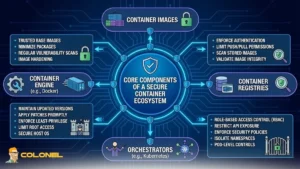
Comprendre les éléments constitutifs des environnements conteneurisés est essentiel pour mettre en œuvre les meilleures pratiques efficaces en matière de sécurité des conteneurs.. Chaque composant introduit des risques distincts qui nécessitent une protection ciblée.
Images de conteneurs
Les images de conteneurs constituent la base de chaque charge de travail conteneurisée. Si une image contient des bibliothèques obsolètes ou des dépendances vulnérables, chaque conteneur instancié à partir de celui-ci hérite de ces faiblesses.

Serveur VPS pas cher
À partir de 2,99 $/mois
Renforcer la sécurité des conteneurs, les organisations doivent utiliser des images de base fiables, minimiser les packages installés, et effectuez des analyses de vulnérabilité régulières. Le durcissement de l'image et le maintien de surfaces d'attaque minimales réduisent considérablement l'exposition à l'exploitation.
Registres de conteneurs
Les registres stockent et distribuent des images de conteneurs dans tous les environnements. Si les registres manquent de contrôles d’accès ou de mécanismes d’analyse solides, des images malveillantes ou falsifiées peuvent entrer en production.
La sécurisation des registres implique l'application de mécanismes d'authentification, limiter les autorisations push et pull, analyser les images stockées à la recherche de vulnérabilités, et validation de l'intégrité de l'image avant le déploiement. Cela garantit que seules les images vérifiées sont promues dans les environnements d'exécution..
Orchestrateurs
Des orchestrateurs tels que Kubernetes gèrent le déploiement, mise à l'échelle, et mise en réseau de conteneurs. Parce que les orchestrateurs contrôlent des clusters entiers, les compromettre peut accorder aux attaquants un accès étendu.
Application du contrôle d'accès basé sur les rôles, restreindre l'exposition du serveur API, appliquer les politiques de sécurité, et l'isolation des espaces de noms sont des bonnes pratiques clés en matière de sécurité des conteneurs au niveau de l'orchestration. Les contrôles au niveau des pods aident également à limiter l'élévation des privilèges et l'accès à l'hôte..
Moteur de conteneur
Le moteur de conteneur, comme Docker, exécute et gère les conteneurs sur les systèmes hôtes. Si le moteur ou l'hôte est compromis, les attaquants peuvent obtenir un accès direct aux charges de travail.
Hébergement VPS Windows
Remote Access & Full Admin
Maintenir les versions de moteur à jour, appliquer rapidement les correctifs de sécurité, application des configurations de moindre privilège, et limiter l'accès root renforce les défenses d'exécution. La sécurisation du système d'exploitation hôte sous-jacent est tout aussi essentielle.
10 Meilleures pratiques pour la sécurité des conteneurs
La mise en œuvre des meilleures pratiques en matière de sécurité des conteneurs nécessite une approche proactive, approche basée sur le cycle de vie qui renforce les défenses avant, pendant, et après déploiement. La sécurité ne doit pas être traitée comme un point de contrôle final mais comme un processus continu intégré au développement, orchestration, et opérations d'exécution.
Vous trouverez ci-dessous les pratiques les plus efficaces pour protéger les environnements conteneurisés dans les architectures cloud natives et de microservices..
1. Intégrer l'analyse de code et d'images dans les pipelines CI CD
L'intégration de la sécurité directement dans les pipelines CI/CD est l'une des meilleures pratiques de sécurité des conteneurs les plus efficaces, car elle empêche les artefacts vulnérables d'atteindre la production..
Au lieu de considérer la sécurité comme un point de contrôle final, l'analyse devient un mécanisme de contrôle continu tout au long du cycle de vie du développement logiciel. Une implémentation mature comprend:
- Analyse des dépendances et CVE
Des outils automatisés analysent les bibliothèques tierces et les images de base pour détecter les vulnérabilités connues avant l'approbation des builds.. - Infrastructure en tant que validation du code
Les erreurs de configuration dans les manifestes Kubernetes ou les fichiers Terraform sont détectées tôt, prévenir les déploiements non sécurisés. - Portes de construction basées sur des politiques
Les pipelines échouent automatiquement si les seuils de vulnérabilité sont dépassés, appliquer des normes de sécurité mesurables.
Cette approche réduit les coûts de remédiation tout en maintenant la vitesse de publication.
2. Appliquer le principe du moindre privilège
La limitation des privilèges des conteneurs réduit considérablement l’impact potentiel d’une compromission. Les conteneurs ne doivent jamais s'exécuter avec des autorisations inutiles ou un accès au niveau racine, sauf si cela est absolument nécessaire..
Le contrôle d'accès basé sur les rôles doit être appliqué sur les orchestrateurs tels que Kubernetes. Utilisateurs, comptes de service, et les charges de travail ne doivent recevoir que les autorisations essentielles à leurs rôles spécifiques. Restreindre l’élévation des privilèges protège l’environnement du cluster au sens large.
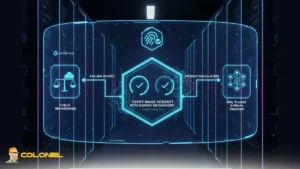
3. Vérifier l'intégrité de l'image avec des mécanismes de signature
La signature des images confirme que les images des conteneurs n'ont pas été modifiées ou falsifiées.. La vérification de l'authenticité de l'image garantit que seuls les artefacts fiables sont déployés dans les clusters de production.
Des outils tels que Docker Content Trust permettent la vérification des signatures, renforcer l’intégrité de la chaîne d’approvisionnement. Cette pratique est particulièrement importante dans les environnements qui extraient des images de référentiels publics.
4. Mettre en œuvre la gestion sécurisée des secrets
L'exposition secrète est l'un des chemins les plus rapides vers une violation de données dans les environnements conteneurisés. Les informations d'identification intégrées dans les images ou exposées sous forme de variables d'environnement en texte brut créent des vecteurs d'attaque évitables. Une implémentation sécurisée comprend:
- Stocker les secrets dans des systèmes de gestion dédiés plutôt que dans des systèmes de fichiers conteneurs
- Injection dynamique d'informations d'identification au moment de l'exécution
- Chiffrement des secrets au repos et en transit
- Restreindre l'accès grâce à des politiques strictes basées sur l'identité
La gouvernance centralisée des secrets améliore à la fois la sécurité et la conformité.
5. Utiliser des images de base fiables et minimales
Les images de base fiables provenant de sources vérifiées réduisent considérablement la surface d'attaque. Les images obsolètes ou gonflées contiennent souvent des packages inutiles qui introduisent des vulnérabilités.
La sélection d'images légères et la mise à jour régulière des dépendances améliorent la sécurité des conteneurs tout en améliorant les performances et l'efficacité des ressources..
6. Appliquer la segmentation et la micro-segmentation du réseau
Les conteneurs communiquent fréquemment entre les services, Apis, et bases de données. Sans segmentation stricte, un conteneur compromis peut pivoter à travers le cluster.
Une segmentation efficace nécessite:
- Politiques réseau Kubernetes pour définir les flux de trafic autorisés
- Isolation de l'espace de noms pour séparer logiquement les charges de travail
- Contrôles de maillage de services pour appliquer une communication cryptée de service à service
- Règles de refus par défaut pour bloquer le trafic entrant et sortant inutile
La micro-segmentation garantit que même en cas de panne d'un service, le compromis reste isolé.

7. Surveiller le comportement d'exécution en continu
La surveillance de l'exécution détecte les activités suspectes que les analyses statiques ne peuvent pas identifier. Les outils de surveillance comportementale analysent les modifications des fichiers, tentatives d'élévation de privilèges, et connexions réseau anormales.
La visibilité en temps réel permet aux équipes de sécurité de répondre immédiatement aux menaces telles que l'injection de logiciels malveillants ou l'exécution de processus non autorisés.. La surveillance continue est un élément essentiel des meilleures pratiques en matière de sécurité des conteneurs.
8. Maintenir une gestion régulière des correctifs
Conserver les images de conteneurs, moteurs de conteneurs, et la mise à jour des systèmes d'exploitation hôtes empêche l'exploitation des vulnérabilités connues. Les correctifs retardés augmentent l’exposition aux menaces révélées publiquement.
Les processus automatisés de gestion des correctifs garantissent des mises à jour rapides dans tous les environnements. Cette pratique protège l'infrastructure sans perturber la vitesse de développement.
9. Activer la journalisation et l'audit sur toute la pile
La visibilité est essentielle à la fois pour la prévention et la réponse aux incidents. Sans journalisation centralisée, détecter une activité suspecte devient difficile. Une stratégie de journalisation solide capture:
- Interactions avec le serveur API
- Événements de déploiement et modifications de configuration
- Tentatives d'authentification
- Anomalies de comportement d'exécution
L'audit régulier des journaux permet non seulement une détection précoce, mais fournit également des informations médico-légales lors des enquêtes.. Cette couche de gouvernance renforce les meilleures pratiques en matière de sécurité des conteneurs dans les environnements de production.
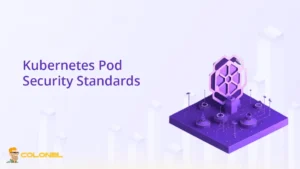
10. Appliquer les normes de sécurité des pods Kubernetes
Pour les environnements Kubernetes, l'application des normes de sécurité des pods renforce la protection au niveau du cluster. Ces normes limitent l'élévation des privilèges, accès au système de fichiers hôte, et configurations de conteneurs dangereuses.
En définissant des politiques de sécurité à l'échelle du cluster, les organisations s'assurent que tous les pods déployés respectent des exigences de sécurité cohérentes. Cela réduit considérablement les vulnérabilités liées à la configuration.
Sécurité avancée des conteneurs dans les environnements cloud natifs
Au-delà des pratiques fondamentales, des stratégies avancées renforcent encore la sécurité des conteneurs dans les déploiements à grande échelle. Alors que les architectures de microservices gagnent en complexité, la défense à plusieurs niveaux devient de plus en plus importante.
Les organisations devraient envisager d’intégrer des fonctionnalités de sécurité de service mesh, renseignements sur les menaces à l'exécution, modèles de réseau sans confiance, et surveillance automatisée de la conformité. La combinaison de ces stratégies avec les meilleures pratiques de base en matière de sécurité des conteneurs crée un environnement résilient., une architecture de défense en profondeur capable de résister à l’évolution des menaces.
Pour un cadre stratégique complet sur la mise en œuvre de la sécurité des conteneurs dans les environnements Docker et Kubernetes, référez-vous à notre guide complet sur Docker & Sécurité des conteneurs Kubernetes.
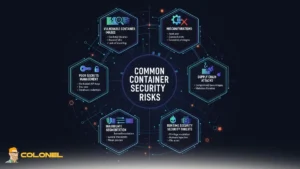
Risques courants de sécurité des conteneurs
Les environnements conteneurisés sont confrontés à plusieurs menaces récurrentes auxquelles les organisations doivent répondre de manière proactive. La reconnaissance de ces risques permet aux équipes de sécurité de concevoir des stratégies d'atténuation efficaces.
Avant d’examiner des risques spécifiques, il est important de noter que les meilleures pratiques en matière de sécurité des conteneurs doivent remédier aux vulnérabilités tout au long du cycle de vie., pas seulement pendant le déploiement. Les menaces peuvent provenir d'images, configurations, politiques de réseau, ou comportement d'exécution.
Images de conteneurs vulnérables
De nombreuses images de conteneurs reposent sur des composants open source pouvant contenir des vulnérabilités connues.. Sans analyse ni mise à jour régulières, ces faiblesses deviennent des points d'entrée pour les attaquants.
Mauvaises configurations
Des configurations incorrectes exposent souvent inutilement les conteneurs. Exécuter des conteneurs en tant qu'utilisateurs root, exposer les ports publiquement, ou accorder des privilèges excessifs augmente considérablement le risque.
Mauvaise gestion des secrets
Stockage des clés API, jetons, ou les informations d'identification directement dans les images ou les variables d'environnement créent de graves failles de sécurité. Les secrets compromis peuvent permettre aux attaquants d'accéder aux bases de données et aux services.
Attaques de la chaîne d'approvisionnement
Les attaquants ciblent de plus en plus les dépendances et les référentiels tiers. Si les organisations déploient des images de base ou des bibliothèques compromises, un code malveillant peut infiltrer les systèmes de production.
Segmentation inadéquate du réseau
Quand la segmentation du réseau est faible, les attaquants peuvent se déplacer latéralement d'un conteneur compromis vers d'autres au sein du cluster. Cela amplifie l’impact d’une seule violation.
Menaces de sécurité d'exécution
Pendant l'exécution, les conteneurs traitent les données en direct et interagissent avec les services. Menaces telles que l’élévation des privilèges, injection de logiciels malveillants, et les accès non autorisés aux fichiers sont particulièrement dangereux à ce stade.
Renforcer l'infrastructure cloud native grâce à la sécurité des conteneurs
Les meilleures pratiques de sécurité des conteneurs protègent les applications modernes en intégrant des mécanismes de défense tout au long du développement, déploiement, et étapes d'exécution. En sécurisant les images de conteneurs, registres, orchestrateurs, moteurs, et réseaux, les organisations réduisent les risques de violation et maintiennent la conformité dans les environnements cloud dynamiques.
Une structure, la stratégie de sécurité basée sur le cycle de vie améliore l'efficacité opérationnelle tout en minimisant les vulnérabilités. Alors que l'adoption des conteneurs continue de se développer au sein d'AWS et des plateformes multi-cloud, l'intégration proactive de la sécurité reste essentielle pour maintenir des architectures de microservices évolutives et sécurisées.
Foire aux questions
Qu'est-ce que la sécurité des conteneurs dans les environnements cloud natifs?
La sécurité des conteneurs protège les applications conteneurisées, photos, couches d'orchestration, et les environnements d'exécution contre les vulnérabilités et les attaques tout au long du cycle de vie du développement logiciel.
Pourquoi les conteneurs sont-ils plus vulnérables que les charges de travail traditionnelles?
Les conteneurs sont dynamiques et de courte durée, souvent déployé à grande échelle. Sans contrôles appropriés, les vulnérabilités peuvent se répliquer rapidement sur les clusters et augmenter la surface d'attaque.
Comment l’analyse des images de conteneurs améliore-t-elle la sécurité?
L'analyse des images identifie les vulnérabilités connues dans les dépendances et les images de base avant le déploiement, empêcher les conteneurs non sécurisés d'atteindre les environnements de production.
Quel rôle Kubernetes joue-t-il dans la sécurité des conteneurs?
Kubernetes gère l'orchestration des conteneurs, donc le sécuriser via RBAC, politiques de réseau, et les normes de sécurité des pods protègent l'ensemble de l'infrastructure du cluster.
Comment les organisations peuvent-elles prévenir les attaques de la chaîne d'approvisionnement dans les conteneurs?
Utiliser des images de base fiables, vérification des signatures d'images, analyse des dépendances, et restreindre l'accès au registre réduit considérablement les risques liés à la chaîne d'approvisionnement.