


Business Domain has become a noticeable option for brands and companies in 2026 as the demand for clear, professional online identities continues to grow. With traditional extensions like .com becoming increasingly limited, many businesses are exploring alternative domains that better reflect their purpose and credibility. But is choosing a Business Domain in 2026 truly a smart decision, or just another passing trend? In this article, we take a closer look at the advantages, potential drawbacks, and real-world use cases to help you decide whether this domain extension fits your business goals.
What Is a Business Domain?
A domain name is the foundation of any online presence, acting as the digital address where users find a website. A Business Domain refers to a domain extension that explicitly signals a commercial or professional purpose rather than a generic or geographic identity. Unlike traditional extensions that have existed for decades, business-focused domains were introduced to meet the growing demand for clarity, branding flexibility, and availability in an increasingly crowded internet space.
In 2026, businesses are no longer choosing domains solely based on familiarity. Instead, relevance and meaning have become major decision factors. A business-oriented domain helps immediately communicate the nature of a website to visitors, partners, and potential customers. When someone encounters such a domain, they can often infer that the website belongs to a company, service provider, or commercial entity without even visiting the page.
Another key aspect is positioning. Companies today compete not only on products and pricing but also on perception. The right domain extension can support credibility, professionalism, and memorability. As more startups and digital-first brands emerge, domains that clearly align with business intent continue to gain attention.
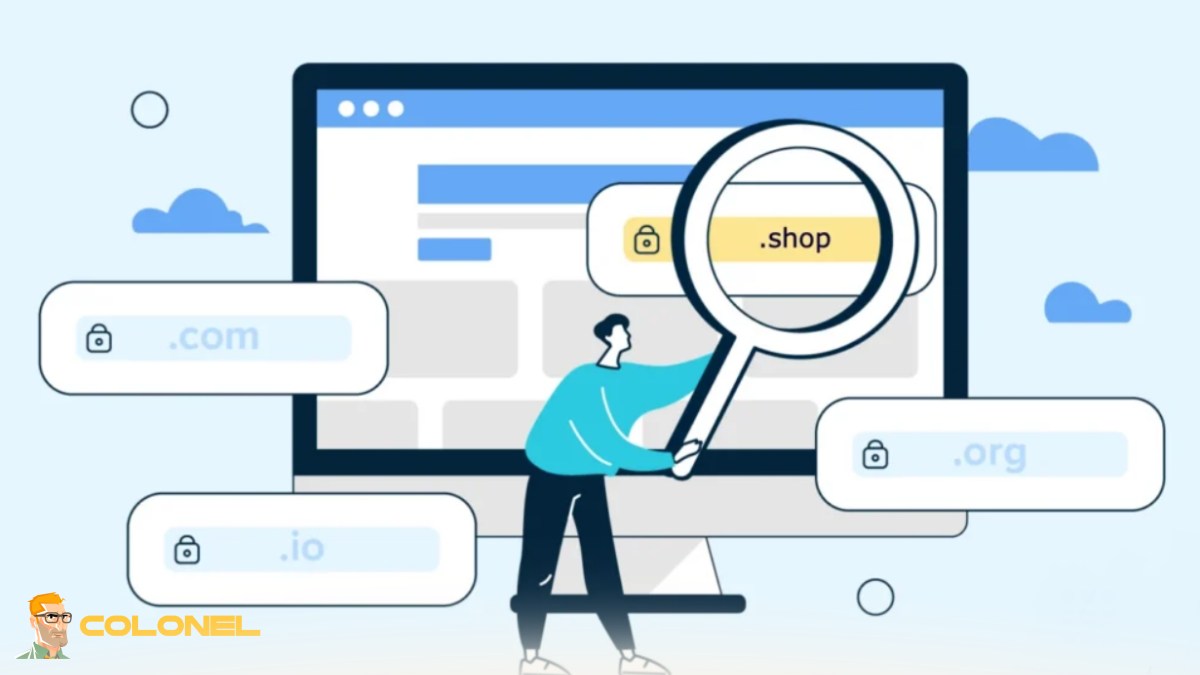
How Business Domains Differ From Traditional Extensions
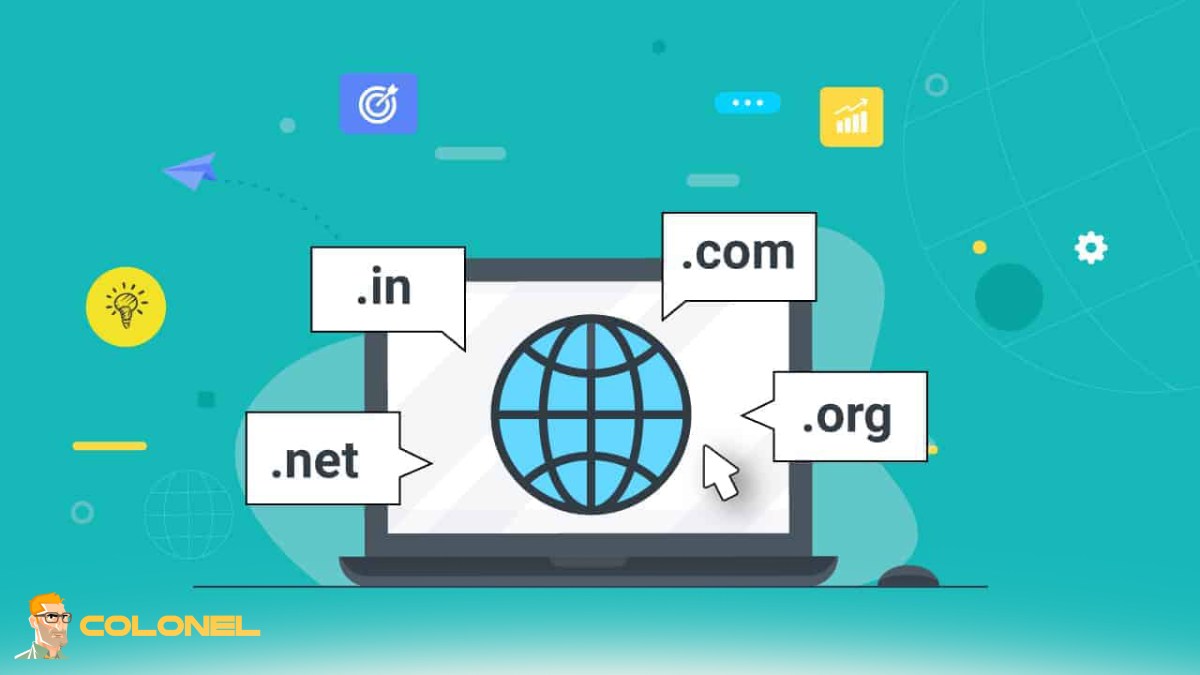
Traditional domain extensions such as .com, .net, or .org were created in a very different internet era. At the time, the web was small, and these extensions were broad enough to serve almost any purpose. Over time, however, their limitations became apparent—especially in availability and branding precision.
WordPress Web Hosting
Starting From $3.99/Monthly
Business-focused domains differ in several important ways. First, they are descriptive. While a .com domain does not inherently explain what a site represents, a business-oriented extension adds immediate context. Second, they are newer, which means competition for desirable names is significantly lower. This allows companies to secure shorter, cleaner, and more brand-aligned domain names.
From a strategic standpoint, these domains also reflect modern internet usage. Users are now accustomed to seeing a wide range of extensions and no longer associate credibility exclusively with legacy options. This shift in user behavior has opened the door for alternatives to be taken seriously in professional environments.
Why Business Domains Are Gaining Popularity in 2026
The growing popularity of business-oriented domains in 2026 is not accidental. It is driven by a combination of branding needs, technological maturity, and changing user expectations. As digital competition increases, companies must differentiate themselves instantly, and domain choice has become part of that differentiation strategy.
One major factor is saturation. The most desirable names under traditional extensions are often already taken, parked, or priced at premium levels. This pushes businesses to explore alternatives that still feel professional and relevant. Another factor is globalization. Businesses now operate across borders, making industry-focused domain extensions more appealing than country-specific ones.
Additionally, search engines and browsers have matured to treat newer domain extensions neutrally. This removes much of the historical risk associated with adopting non-traditional domains and encourages more brands to experiment with them.

Cheap VPS Server
Starting From $2.99/Monthly
Branding Advantages for Modern Businesses
Branding in 2026 is about clarity, trust, and memorability. A well-chosen Business Domain supports all three by aligning the domain name with the company’s purpose. When users see a domain that clearly signals a commercial identity, it reduces confusion and strengthens brand recognition.
Modern businesses often operate in highly competitive niches where first impressions matter. A domain that reinforces brand positioning can improve click-through rates, especially in ads, email campaigns, and search results. It also enhances consistency across digital touchpoints, from websites to social media profiles.
Before listing specific advantages, it’s important to understand that branding is cumulative. Small signals—like a relevant domain extension—combine to shape how a brand is perceived.
Key branding benefits include:
- Clear indication of commercial intent
- Improved brand recall through meaningful naming
- Stronger alignment between brand name and online identity
These advantages are particularly valuable for new brands that lack long-term recognition and need to establish trust quickly.
Availability Compared to .Com Domains
One of the strongest practical reasons businesses consider alternatives is availability. The .com space has been heavily saturated for years, making it difficult to find short, intuitive names without significant cost. In contrast, business-focused domains offer far more flexibility.

Windows VPS Hosting
Remote Access & Full Admin
The table below highlights the difference in availability between traditional and business-oriented extensions:
| Factor | .Com Domains | Business-Focused Domains |
|---|---|---|
| Name availability | Very limited | High |
| Average cost | Often premium | Generally affordable |
| Brand matching | Difficult | Easier |
| Length of names | Longer | Shorter |
This availability advantage allows businesses to secure domains that exactly match their brand name, reducing the need for awkward abbreviations or extra words.
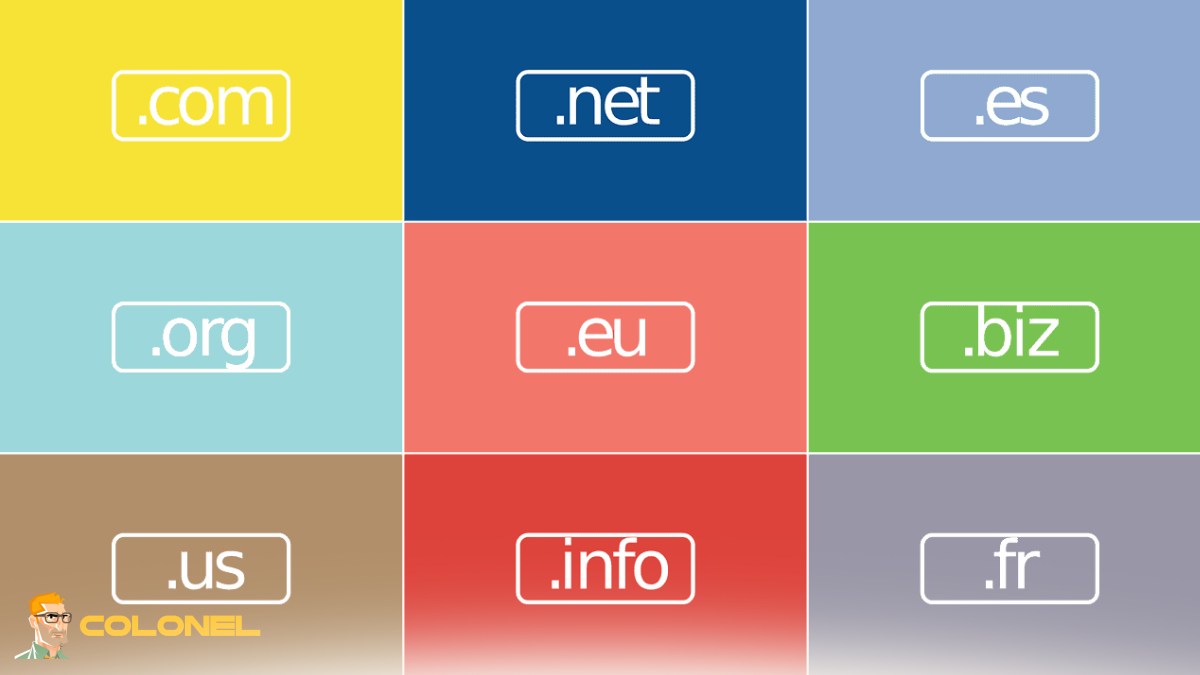
Pros of Using a Business Domain in 2026
Choosing a business-oriented domain comes with several notable advantages, especially for companies focused on long-term digital growth. These benefits go beyond name availability and extend into branding, marketing efficiency, and strategic flexibility.
One of the biggest pros is relevance. When a domain clearly communicates that a website belongs to a business, it sets the right expectation from the start. This relevance can positively influence user trust and engagement, particularly for first-time visitors.
Another advantage is future-proofing. As the internet continues to diversify, reliance on a single traditional extension becomes less necessary. Businesses that adapt early often gain a competitive edge by establishing recognizable identities in emerging domain spaces.
Professional Image and Brand Clarity
A professional online image is no longer optional—it is a requirement. A carefully chosen Business Domain contributes to that image by reinforcing legitimacy and seriousness. Users tend to feel more confident interacting with websites that look intentional and well-structured, starting with the domain name.
Brand clarity is equally important. When the domain aligns with the company’s purpose, users immediately understand what the site represents. This reduces friction, especially in industries where trust plays a key role, such as consulting, software, or professional services.
In marketing materials, a clear domain also improves communication efficiency. There is less need to explain what the company does because the domain itself supports the message.
Better Domain Name Availability
Availability deserves special attention because it directly impacts brand consistency. Many businesses are forced to compromise their naming strategy due to lack of options under traditional extensions. Business-focused domains solve this problem by opening up a wider pool of usable names.
This benefit is particularly valuable for startups and rebranding companies. Instead of adjusting the brand to fit an available domain, they can choose a domain that fits the brand. Over time, this consistency strengthens recognition and reduces confusion.
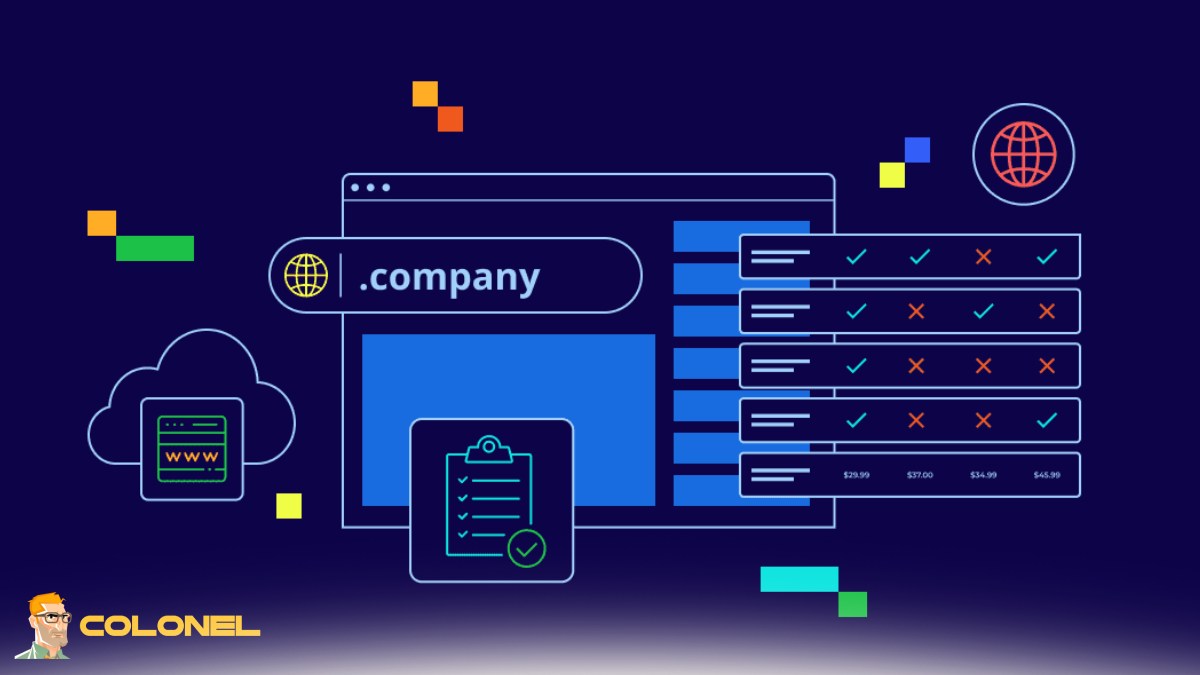
Cons and Limitations of Business Domains
Despite their advantages, business-oriented domains are not without drawbacks. Understanding these limitations is essential before making a final decision. While adoption has increased, certain challenges remain—particularly in perception and legacy expectations.
One limitation is familiarity. Some users still instinctively trust traditional extensions more, especially in conservative industries or regions where newer domains are less common. Another concern is compatibility with older systems or platforms that may not fully recognize all newer extensions, though this issue has become increasingly rare.
Awareness of these factors allows businesses to plan mitigation strategies rather than being caught off guard after launch.
Trust and User Perception Challenges
Trust is built over time, and domain choice plays a subtle but important role. A Business Domain may initially raise questions for users who are unfamiliar with it. This is especially true for audiences that associate credibility with long-established norms.
However, perception is changing. As more reputable companies adopt alternative extensions, skepticism continues to decrease. Trust can also be reinforced through other signals such as secure connections, professional design, clear messaging, and social proof.
Education and consistency are key. When users repeatedly encounter well-maintained sites using business-focused domains, hesitation gradually fades.
SEO Concerns and Misconceptions
SEO is one of the most misunderstood aspects of domain selection. Many businesses worry that non-traditional domains might negatively affect rankings. In reality, search engines evaluate content quality, relevance, and user experience far more than the extension itself.
The misconception persists largely due to outdated information and anecdotal experiences. Modern search algorithms treat domain extensions neutrally, provided that best practices are followed. This means that SEO success depends on strategy, not on whether a site uses a traditional or business-oriented extension.
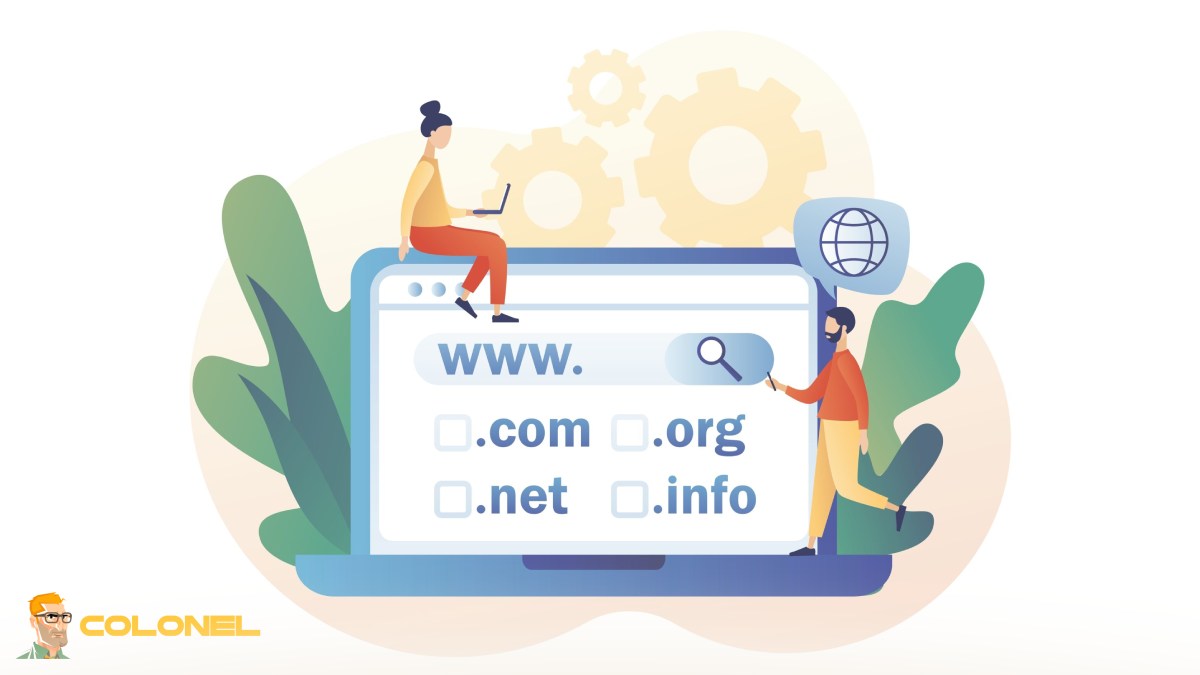
Business Domain and SEO in 2026
SEO considerations remain a top priority in 2026, but the role of domain extensions has evolved significantly. Search engines now focus on delivering the best possible results to users, regardless of domain type. As a result, a Business Domain can perform just as well as any other extension when supported by strong SEO fundamentals.
Technical optimization, content relevance, site speed, and user engagement continue to outweigh extension choice. What matters most is how well a site satisfies user intent and maintains credibility over time.
Do New Domain Extensions Affect Rankings?
From a technical standpoint, new and alternative domain extensions do not receive ranking penalties simply for being different. Search engines have explicitly stated that all generic extensions are treated equally in ranking algorithms.
Any perceived performance differences usually stem from indirect factors such as weaker backlink profiles or lower brand recognition—not the extension itself. Once these elements are addressed, ranking potential becomes comparable.
Best SEO Practices for Business Domains
To maximize search visibility, businesses should focus on proven SEO strategies rather than worrying about the extension. Before listing specific actions, it’s important to emphasize that consistency and quality are the foundation of long-term SEO success.
Essential SEO practices include:
- Publishing high-quality, user-focused content
- Building authoritative and relevant backlinks
- Ensuring strong technical performance and mobile usability
When these fundamentals are in place, the choice of a business-oriented domain does not limit organic growth.
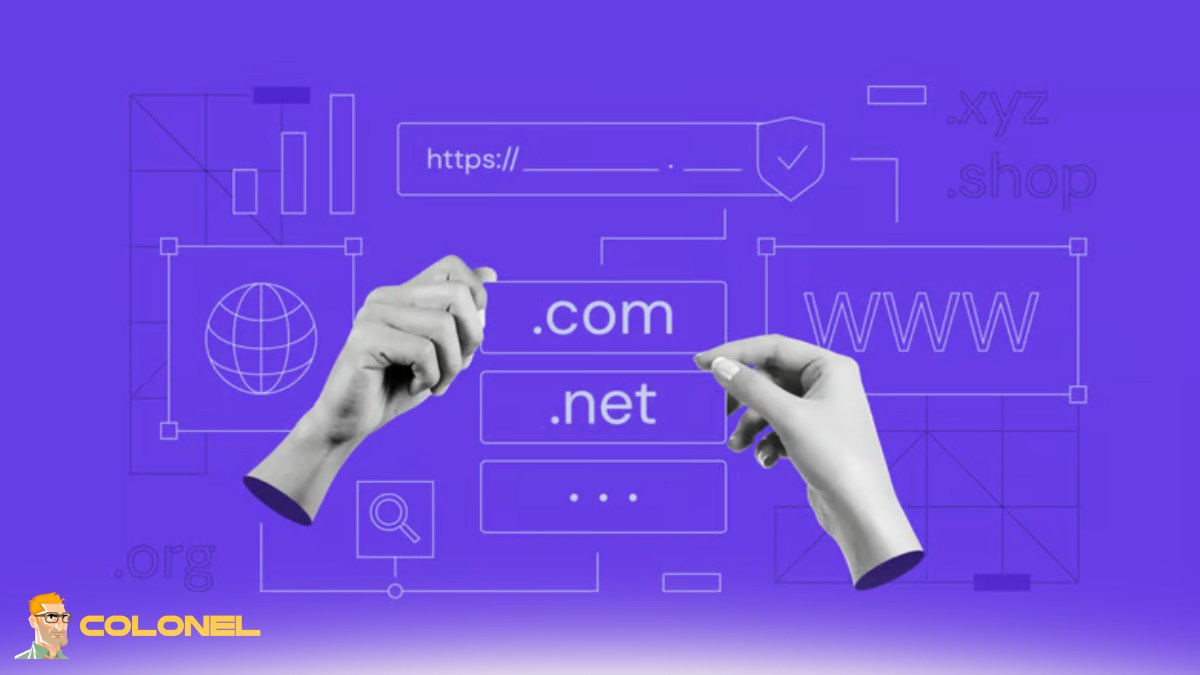
Who Should Use a Business Domain?
Not every business has the same needs, and domain choice should reflect strategic goals. Business-focused domains are particularly suitable for organizations that prioritize branding clarity, flexibility, and modern positioning.
They are often most effective for companies that operate primarily online or compete in fast-moving digital markets. In such environments, adaptability and differentiation matter more than tradition.
Startups and Online-First Brands
Startups benefit greatly from flexible naming options and clear positioning. A Business Domain allows them to secure a name that perfectly matches their brand without compromise. This is especially useful in early growth stages, where consistency across platforms supports credibility.
Online-first brands also tend to adopt new technologies and trends faster, making them ideal candidates for alternative domain extensions. Their audiences are usually more receptive to non-traditional choices.
Small and Medium-Sized Businesses
Small and medium-sized businesses often struggle with domain availability and branding consistency. Business-focused domains offer a practical solution by enabling them to compete with larger brands on a more level playing field.
These domains also support expansion. As companies grow and diversify, a flexible domain extension can continue to represent the brand without feeling restrictive or outdated.
How to Choose the Right Business Domain Name
Selecting the right domain requires both creativity and strategy. The goal is to find a name that is memorable, relevant, and scalable. A strong Business Domain should support current needs while remaining adaptable to future growth.
Clarity should always come first. Complex or confusing names reduce effectiveness, regardless of extension. The domain should be easy to spell, pronounce, and remember.
Naming Tips for Maximum Brand Impact
Effective naming combines simplicity with meaning. The best domain names feel natural and intentional, rather than forced. They should reflect the brand’s core offering without limiting future evolution.
Consider how the domain looks in writing and how it sounds when spoken aloud. A good test is whether someone can recall it after hearing it once.
Common Mistakes to Avoid
Many businesses make avoidable mistakes during domain selection. Choosing overly long names, adding unnecessary hyphens, or prioritizing trends over relevance can weaken brand impact.
Another common error is failing to consider long-term use. A domain that works today but limits future expansion can become a liability as the business grows.
Business Domain vs .Com: Which One Is Better in 2026?
The comparison between business-focused domains and .com remains one of the most discussed topics in domain strategy. While .com still carries universal recognition, it no longer holds a monopoly on trust or performance.
The table below summarizes key differences in 2026:
| Criteria | Business-Focused Domain | .Com Domain |
|---|---|---|
| Availability | High | Low |
| Branding clarity | Strong | Neutral |
| Cost | Moderate | Often high |
| User familiarity | Growing | Established |
The better choice depends on goals. For companies seeking precise branding and availability, business-oriented domains often provide more value. For brands with legacy recognition or offline dominance, .com may still make sense.
Final Verdict: Is a Business Domain a Smart Choice in 2026?
In 2026, choosing a Business Domain can be a smart, strategic decision when aligned with the right goals. It offers branding clarity, name availability, and modern positioning without sacrificing SEO potential. While challenges around familiarity still exist, they continue to diminish as adoption grows.
Ultimately, the smartest choice is not about following tradition but about selecting a domain that supports long-term brand identity, trust, and growth. For many modern businesses, business-focused domains deliver exactly that.