
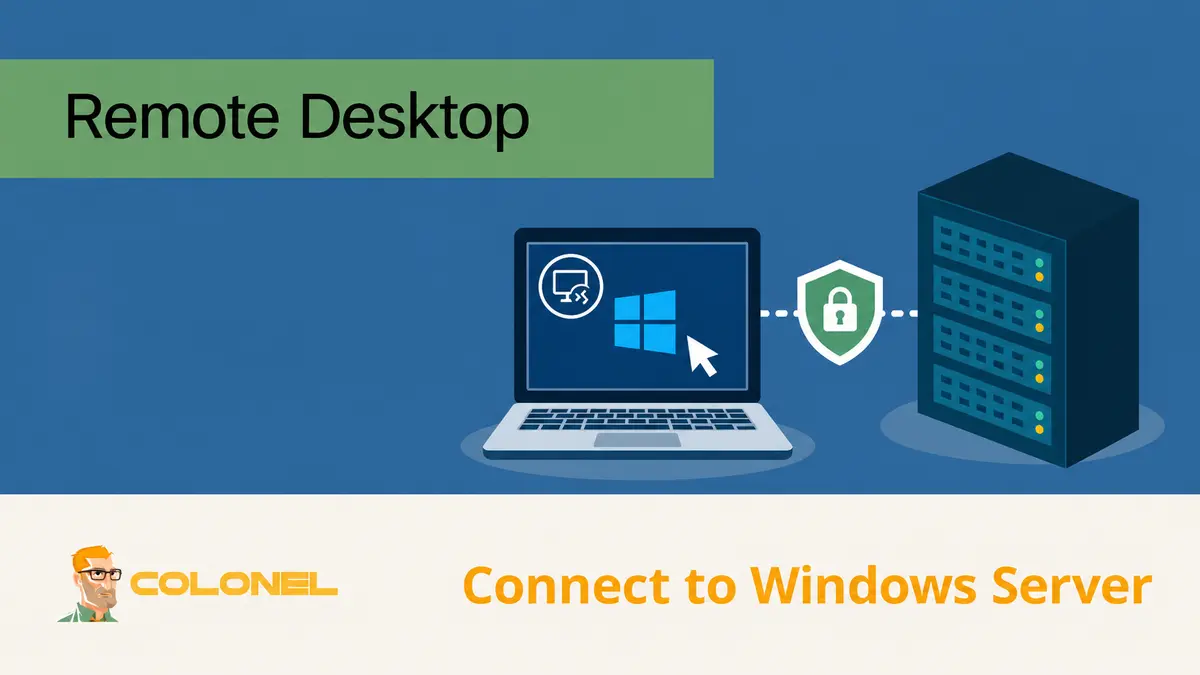
Connect to Windows Server Using RDP
What Is Remote Desktop?
Remote Desktop is a built-in technology that allows you to access and control a Windows server from another device over the internet or a private network. Instead of physically sitting in front of the server, you can view and interact with its desktop environment ...
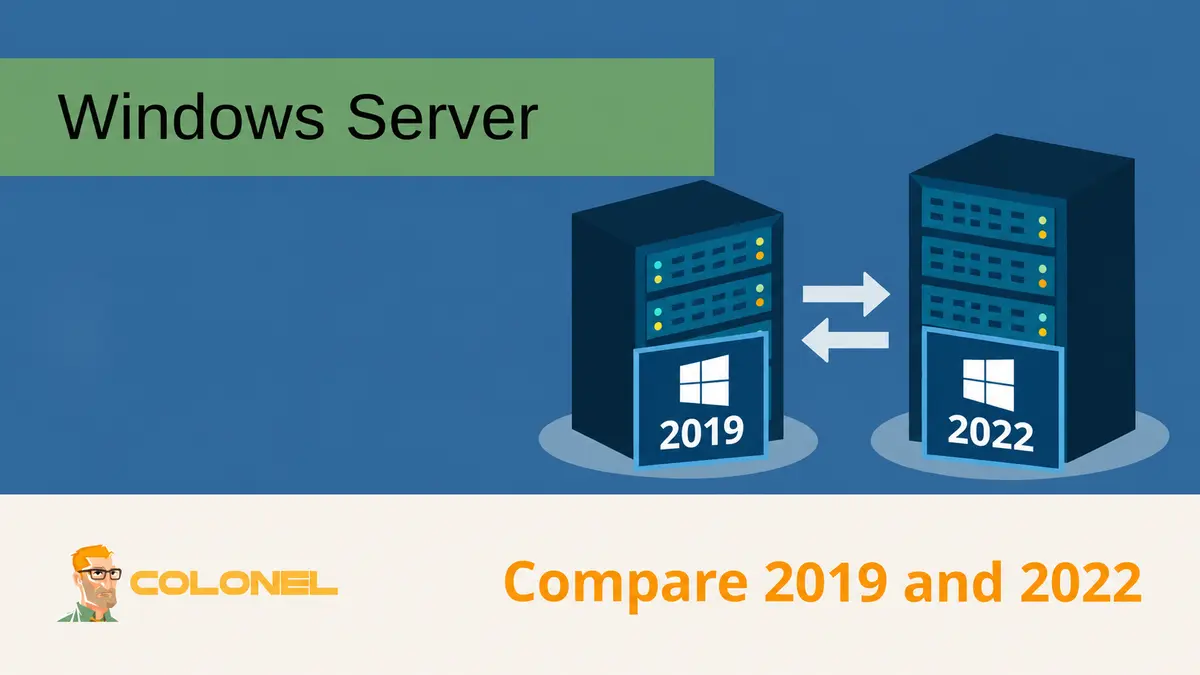
Windows Server 2019 vs 2022
Understanding Windows Server for VPS Hosting
Choosing the right operating system is one of the most important decisions when deploying a Windows VPS. The Windows Server version affects security, performance, software compatibility, support lifecycle, and future scalability.
Windows Server 2019 and Windows Server 2022 are both part of Microsoft's ...
Automate Tasks in Windows Task Scheduler Cron Jobs
Understanding Task Automation in Windows
Many administrative and maintenance tasks must be performed on a recurring schedule. Examples include:
Database backups
Application updates
Log cleanup
Data synchronization
Report generation
Email notifications
Script execution
Manually handling these tasks can consume valuable time and increase the risk of human error. Automation ...
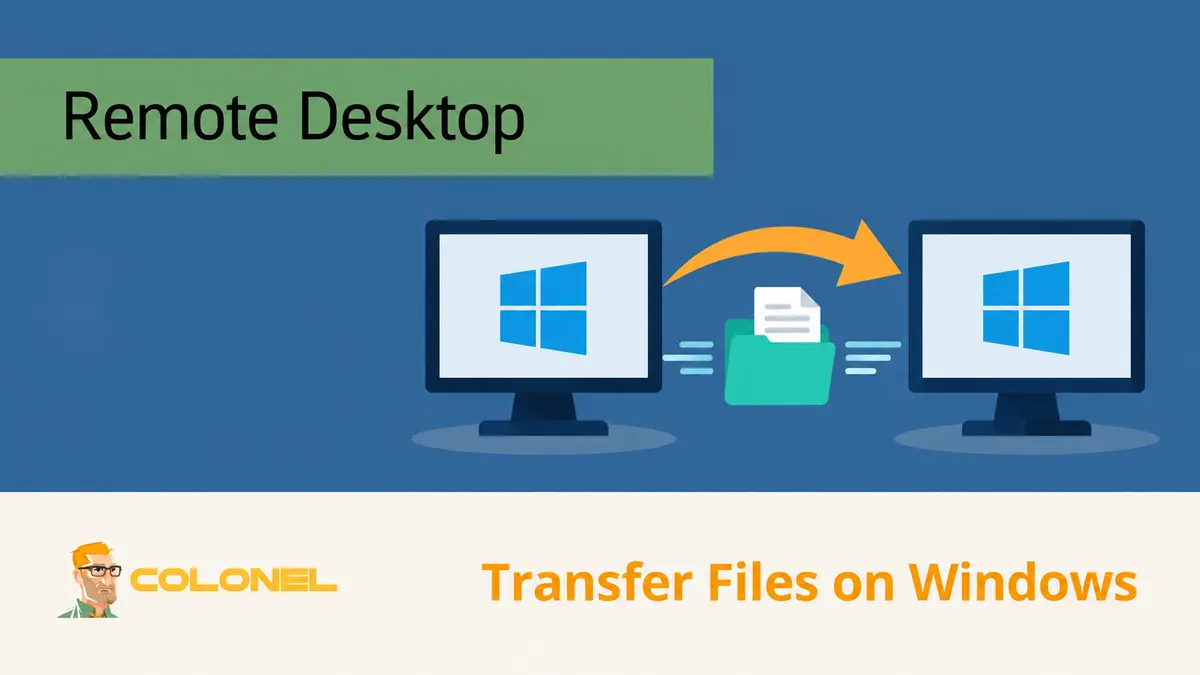
Transfer Files with Remote Desktop on Windows
Understanding Remote Desktop File Transfers
When setting up a new Windows Server, transferring files is often one of the first tasks administrators need to complete. In many situations, common transfer methods may not be ready yet.
For example:
FTP may not be configured
Plesk may not be installed
Network ...

what is the floating IPs and benefits of IPs
Floating IP is a concept in computer networking where an IP address is dynamically assigned to a specific device or service rather than being permanently associated with it. Instead of a device or service having a fixed IP address, a floating IP allows it to dynamically obtain ...

IPv4 and IPv6 difference
IPv4 (Internet Protocol version 4) and IPv6 (Internet Protocol version 6) are two versions of the Internet Protocol used for exchanging data and communication between devices on networks. Here's a comparison between them:
IPv4:
IP Address:
IPv4 uses 32-bit (4-byte) addresses represented in dotted-decimal format (e.g., 192.168.1.1).
Address Space:
IPv4 provides approximately ...