
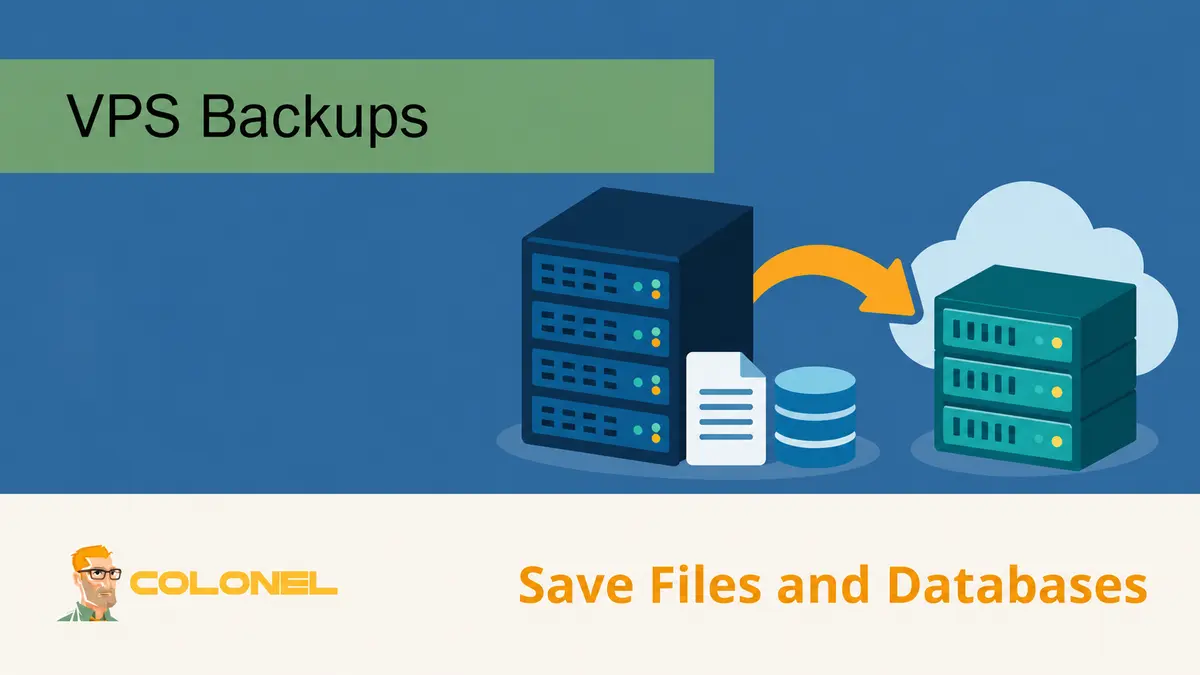
How to Back Up a VPS: Files, Databases and Offsite Copies
Why VPS Backups Are Essential
A reliable backup strategy is one of the most important parts of server administration. Whether you run websites, applications, databases, email services, or development environments, backups protect you against accidental deletions, hardware failures, software corruption, cyberattacks, and human error.
Without backups, recovering from data ...

Private Cloud Hosting for Law Firms: A Practical Guide
Why Law Firms Are Moving to Private Cloud
Law firms handle sensitive information every day. Client records, contracts, evidence, billing data, internal communications, and legal documents all require strong protection and reliable access.
As caseloads grow and remote work becomes more common, many traditional office server setups are no ...

What Is a Forex VPS? Hosting Requirements and Setup
Understanding a Forex VPS
A VPS is hosting infrastructure, not a trading strategy. It cannot guarantee profits, prevent losses or eliminate slippage. Execution also depends on broker systems, market conditions and the trading application. Test the broker connection and recovery procedure before relying on automation.
In the fast-moving world ...
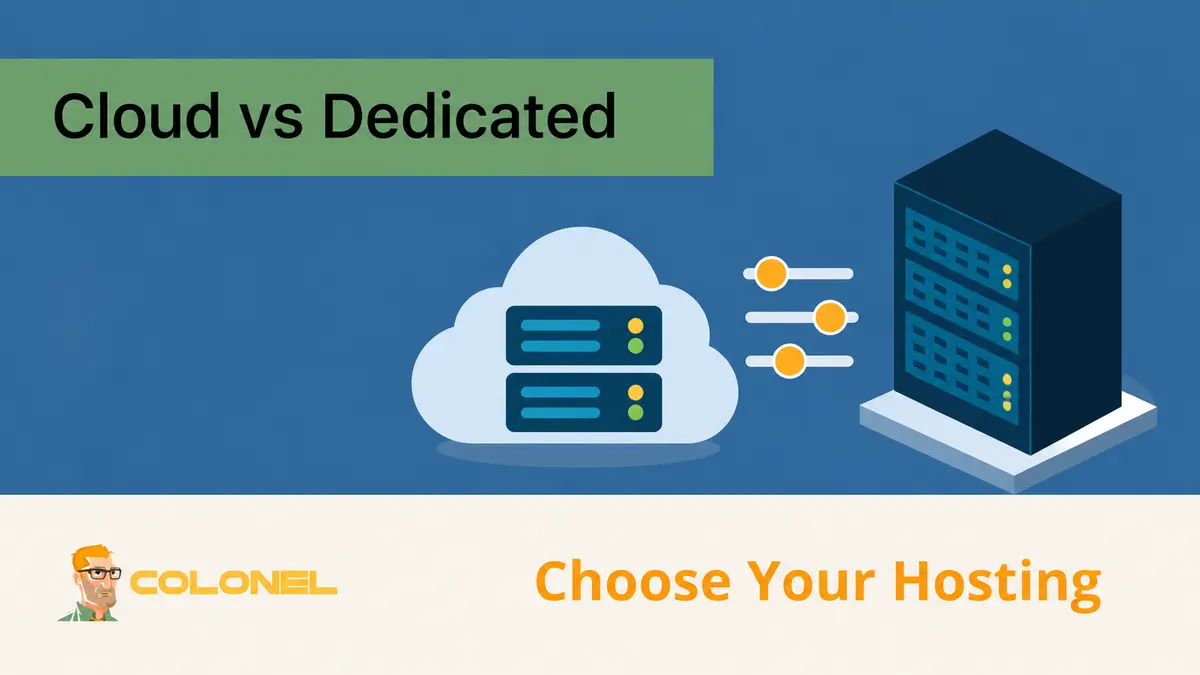
Cloud vs Dedicated Hosting: Control and Customization
Introduction
Choosing between cloud hosting and dedicated server hosting often comes down to one critical factor: customization. While both solutions offer powerful infrastructure and enterprise-grade capabilities, they provide very different levels of control over hardware, software, networking, and performance tuning.
Organizations running standard web applications may find cloud hosting ...
Dedicated Servers for Accounting Firms: Hosting Guide
What Is a Dedicated Server for an Accounting Office?
Accounting firms manage highly sensitive financial information, tax records, payroll data, client documents, and compliance-related files. Because of these requirements, many firms eventually outgrow shared hosting, consumer cloud storage platforms, or standard office computers.
A dedicated server is a physical ...

Dedicated Server Configuration for Ecommerce
Why Server Configuration Matters for Ecommerce
An ecommerce website depends heavily on speed, uptime, and security. Even minor delays during page loads or checkout can reduce conversion rates and negatively impact customer satisfaction.
Unlike informational websites, online stores process product catalogs, customer accounts, shopping carts, payment transactions, inventory systems, ...
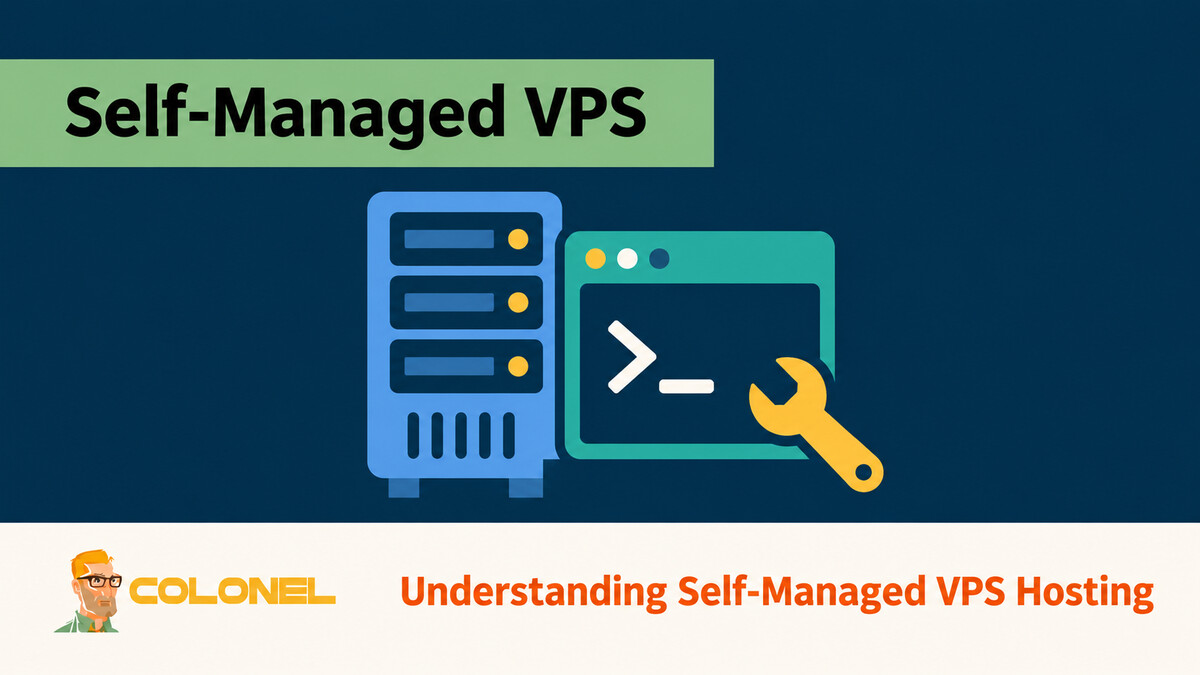
What Is a Self-Managed VPS? Roles, Costs and Benefits
Understanding Self-Managed VPS Hosting
A self-managed VPS, sometimes referred to as an unmanaged VPS, is a virtual private server where the customer is responsible for operating, maintaining, and securing the server environment. Instead of relying on the hosting provider to perform routine administration tasks, users receive direct access ...
How to Transfer Large Files to a VPS
Moving Large Files to a VPS: What You Need to Know
Transferring large files to a Virtual Private Server can become challenging when dealing with backups, media collections, website archives, virtual machine images, or application data. Large transfers are more vulnerable to interruptions, network instability, bandwidth limitations, and ...

VPS for SEO Software: Requirements and Setup Choices
Why SEO Software Often Outgrows Shared Hosting
Many SEO applications require significantly more resources and flexibility than a typical shared hosting account can provide. As websites grow and SEO campaigns become more complex, tools used for crawling, auditing, rank tracking, automation, and data collection often demand dedicated processing ...
What Is an Unmetered Server? Bandwidth Explained
What Is an Unmetered Server?
When comparing dedicated hosting plans, you may encounter the term unmetered server. At first glance, it may seem similar to a standard dedicated server, but the way network usage is handled is significantly different.
Traditional dedicated servers typically include a fixed monthly bandwidth allowance. ...
Dedicated Server Setup for High-Traffic Websites
Why High-Traffic Websites Need Dedicated Servers
As website traffic grows, hosting requirements become increasingly demanding. High visitor volumes, complex applications, large databases, and resource-intensive workloads can quickly exceed the capabilities of shared hosting and entry-level virtual servers.
A dedicated server provides exclusive access to physical hardware resources, allowing businesses ...
How to Rent a Dedicated Server: A Practical Guide
What Does It Mean to Rent a Dedicated Server?
A dedicated server is a physical machine that is allocated entirely to a single customer. You receive exclusive access to the physical server's CPU, memory and local storage. Upstream networking may still be shared, and port speed, committed bandwidth ...

Dedicated Servers for Video Streaming: Hosting Guide
Why Video Streaming Requires the Right Server Infrastructure
Video streaming places significant demands on hosting infrastructure. Whether you're broadcasting live events, operating a subscription-based streaming platform, hosting video-on-demand content, or running a gaming stream, delivering smooth playback requires reliable hardware, fast storage, and consistent network performance.
Viewers expect instant ...
Dedicated Servers for IPTV: A Hosting Guide
Why IPTV Services Need Dedicated Infrastructure
Launching and operating an IPTV platform requires more than simply hosting video files online. IPTV providers must deliver high-quality video streams to multiple viewers simultaneously while maintaining low latency, stable playback, and reliable uptime.
As viewer counts increase, infrastructure limitations quickly become apparent. ...