

Install Grafana on AlmaLinux
What Is Grafana?
Grafana is an open-source monitoring and analytics platform used to visualize metrics, logs, and performance data through customizable dashboards. It supports a wide variety of data sources and allows administrators to monitor servers, applications, databases, cloud environments, and network infrastructure from a centralized interface.
Grafana has ...
How to Use ChatGPT to Diagnose and Resolve Server Issues
What Is ChatGPT?
Artificial intelligence has become an important tool for IT professionals, developers, system administrators, and website owners. One of the most widely used AI applications today is ChatGPT, a conversational AI platform developed by OpenAI.
ChatGPT uses Large Language Model (LLM) technology to understand natural language and ...
Install and Configure Ansible for Automation
What Is Ansible?
Ansible is an open-source automation platform designed to simplify infrastructure management, application deployment, configuration management, and operational tasks. It is widely used by system administrators, DevOps engineers, and IT teams to automate repetitive processes and manage large-scale environments more efficiently.
As an Infrastructure as Code (IaC) ...
What Is Kubernetes and how to use
Understanding Kubernetes
Modern applications are expected to deliver more features, support more users, and release updates faster than ever before. As software systems become increasingly complex, managing the infrastructure that supports them becomes a significant challenge.
Containerization has become one of the most effective ways to simplify application deployment ...
How to Set Up a Mastodon Server with Docker
What Is Mastodon?
Mastodon is a free and open-source social networking platform built using Ruby on Rails and modern JavaScript frameworks. It enables anyone to create and operate their own social media server while remaining connected to a larger decentralized network known as the Fediverse.
From a user's perspective, ...
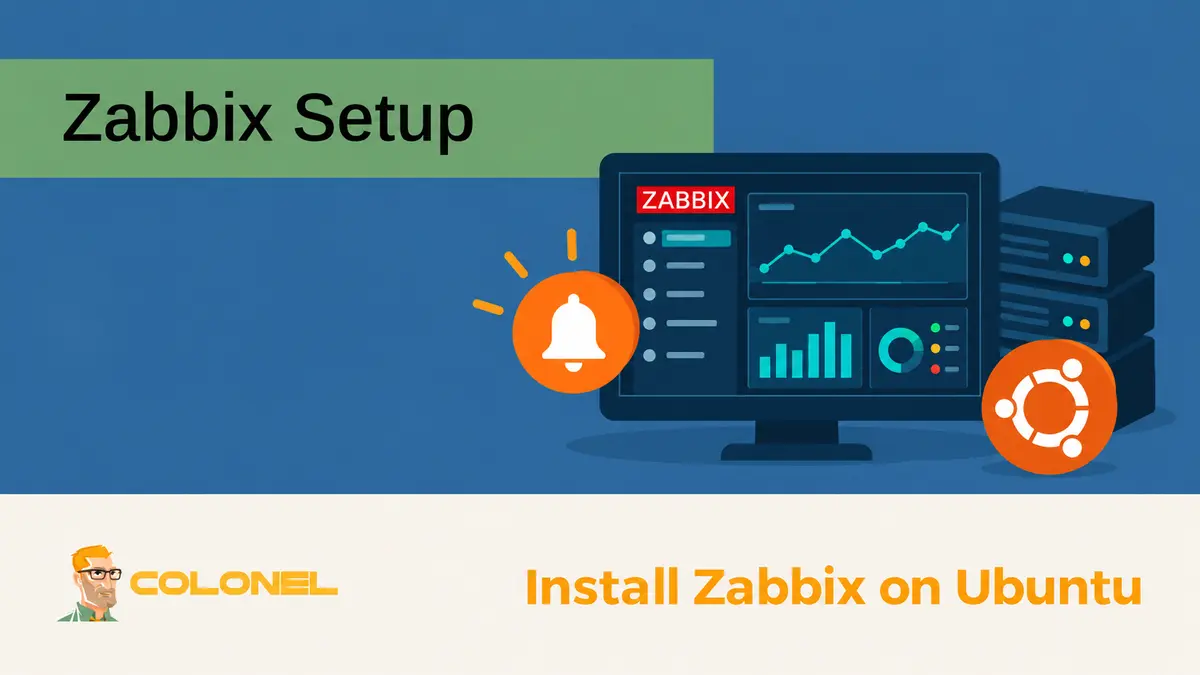
Install Zabbix 7.0 LTS on Ubuntu 24.04
What Is Zabbix?
Zabbix is a powerful open-source monitoring platform designed to track the health, availability, and performance of servers, applications, network devices, cloud environments, and other IT infrastructure components.
Through its web-based management interface, administrators can monitor systems from a centralized dashboard, receive alerts when issues occur, and ...
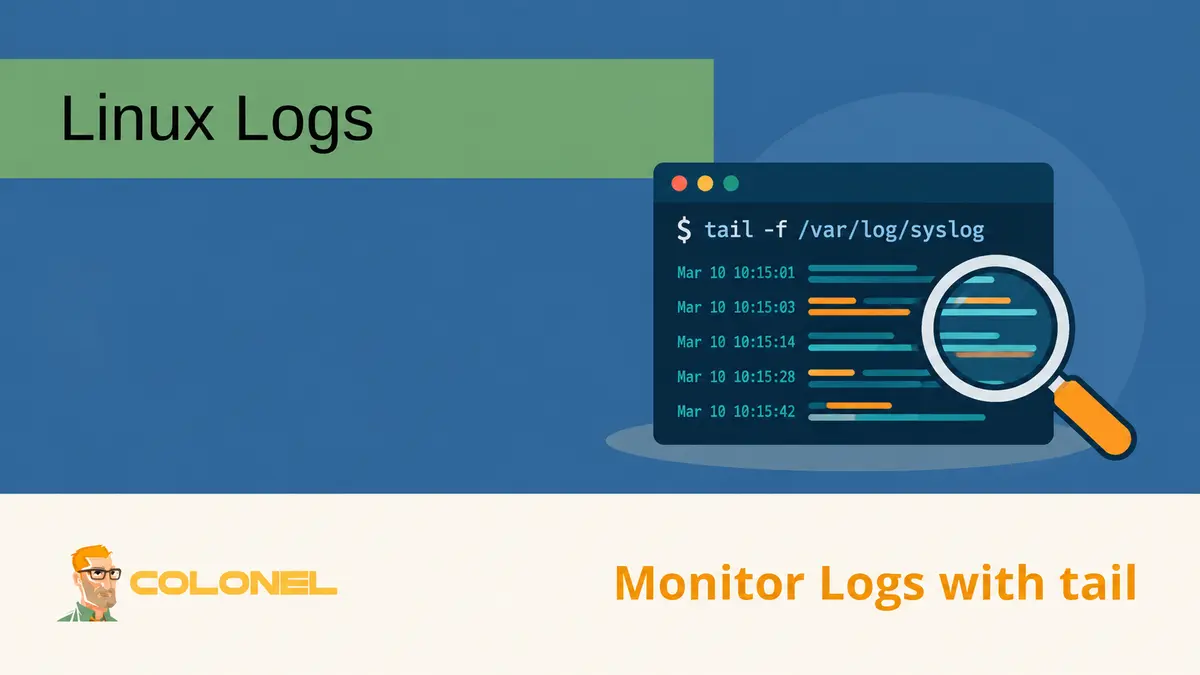
Monitor Linux Server Logs in Real Time with tail
Why Real-Time Log Monitoring Matters
Server logs provide a continuous record of what is happening on a system. They capture application activity, web requests, authentication attempts, service failures, email delivery events, and much more.
While reviewing historical logs is useful for troubleshooting past incidents, monitoring logs in real time ...
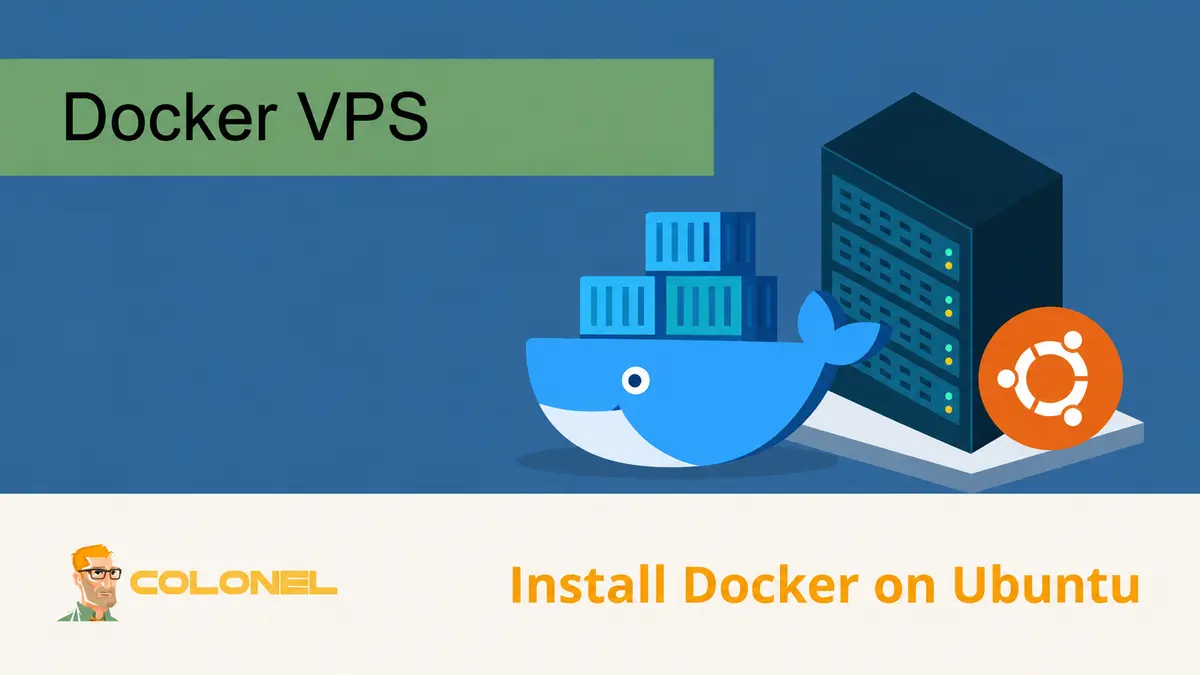
How to Install Docker on an Ubuntu VPS
Introduction
Docker has become one of the most popular technologies for deploying and managing applications in modern server environments. By packaging applications and their dependencies into isolated containers, Docker provides consistency across development, testing, and production environments while minimizing resource consumption.
When combined with a Virtual Private Server (VPS), ...

Building a Server Room
What Is a Server Room?
A server room is a dedicated space designed to house and protect an organization's IT infrastructure, including servers, storage systems, networking equipment, and supporting hardware.
For many businesses, the server room serves as the central hub for critical operations, supporting applications, communications, databases, file ...
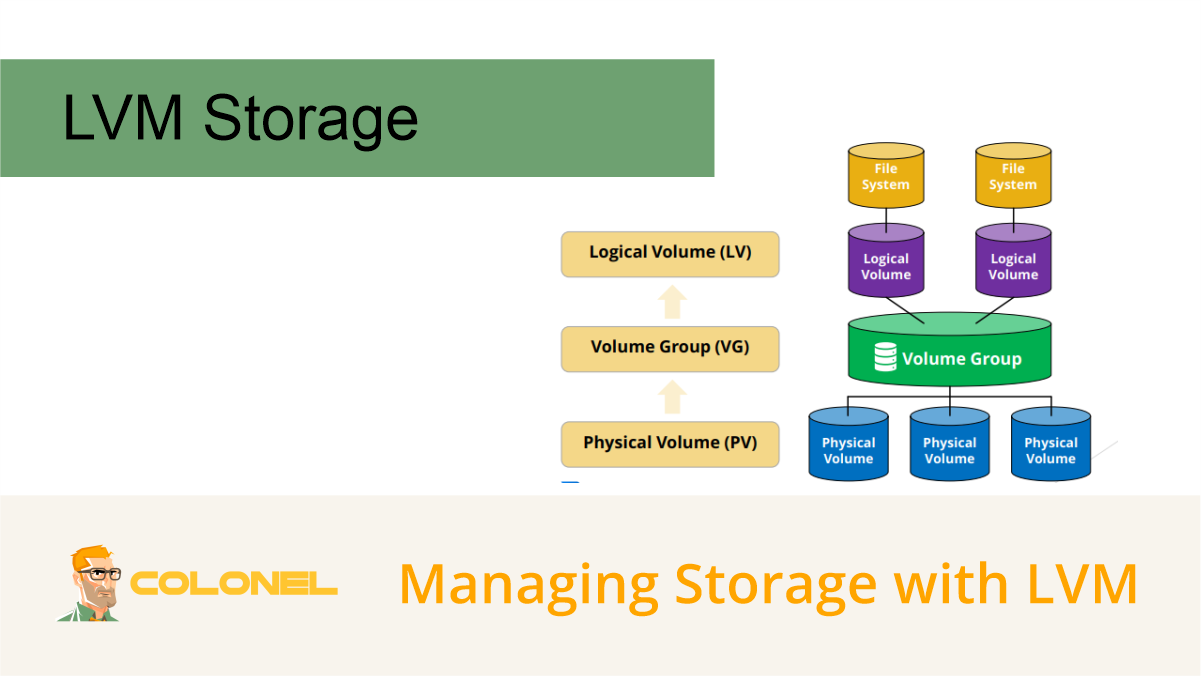
Using LVM in Linux to Manage Storage Devices
What Is LVM in Linux?
Logical Volume Manager (LVM) is an advanced storage management framework for Linux that abstracts physical storage devices into flexible logical storage pools. Instead of managing individual disks and partitions directly, administrators can combine multiple storage devices and allocate space dynamically as needed.
LVM sits ...

What Is MongoDB
What Is MongoDB?
MongoDB is a document-oriented NoSQL database platform designed to help developers build modern applications that require flexibility, scalability, and high performance.
Unlike traditional relational databases that store information in tables and rows, MongoDB stores data as documents using a JSON-like format called BSON (Binary JSON).
This approach ...
Using SFTP and SCP Instead of FTP
Why You Should Stop Using Traditional FTP
File Transfer Protocol (FTP) has been used for decades to upload, download, and manage files on remote servers. While it remains widely recognized, FTP has a major security weakness: usernames, passwords, and transferred data are often sent in plain text.
This means ...
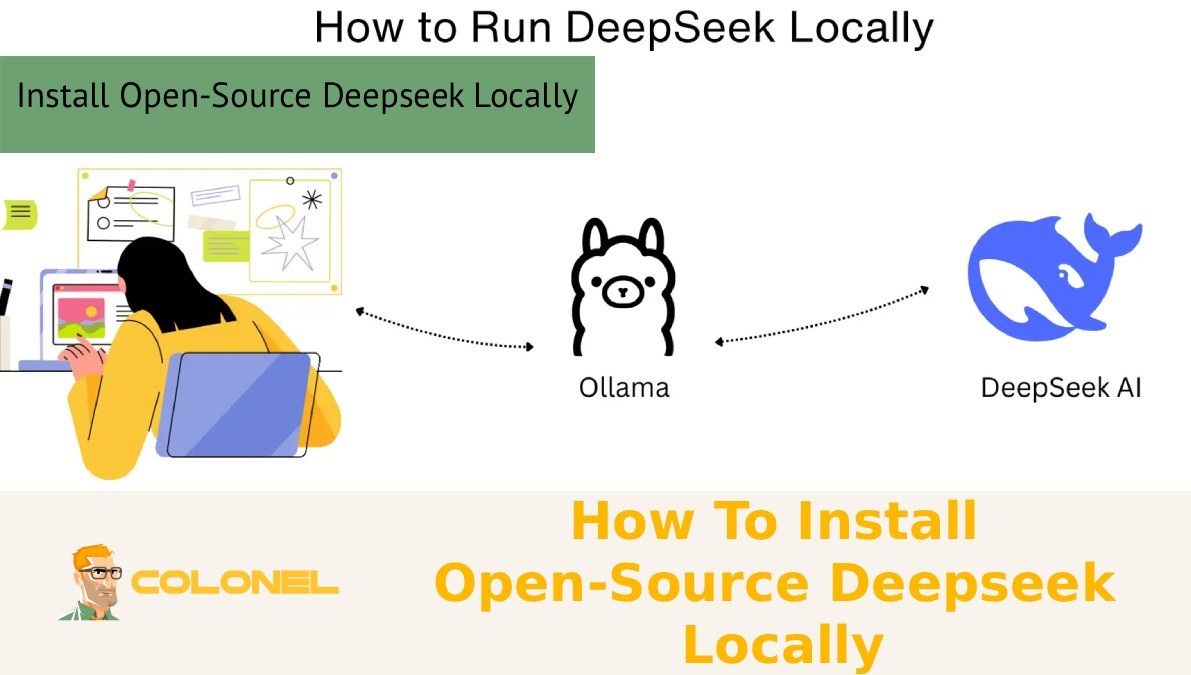
How To Install Open-Source Deepseek Locally
Use Open-Source Deepseek Locally to have complete control over your AI system, improve data privacy, and avoid recurring API fees. With the ability to host your model on your own server, you can personalize performance, optimize resource utilization, and perform advanced inference capabilities without depending on third-party ...

Container Security Best Practices for Cloud Native and Microservices Architectures
Best practices for container security help safeguard containerized environments against breaches, supply chain attacks, misconfigurations, and runtime threats by integrating security controls throughout the entire lifecycle. With the growing adoption of containers on AWS and other cloud platforms, securing container images, registries, orchestrators, and runtime environments is ...
- 1
- 2