

How to Start an Online Business is a query that many individuals are faced with when they have ideas, skills, or products that they wish to monetize on the internet. With the ever-increasing popularity of digital platforms, starting an online business has become easier than it was before. From selecting the appropriate niche and understanding your target audience to setting up your website and developing a proper marketing plan, there are a number of crucial steps that can be followed to ensure success. It is essential to understand these basics not only to avoid the risks associated with starting an online business but also to ensure the success of your scalable online business in the competitive digital marketplace.
What Is an Online Business and How Does It Work?
Starting a digital venture has become one of the most popular ways to build income in the modern economy. Many entrepreneurs search for How to Start a Online Business because the internet offers endless opportunities to sell products, provide services, or share expertise with a global audience. Unlike traditional businesses, online businesses operate primarily through websites, digital platforms, and online tools.
An online business can range from a small freelance service website to a global e-commerce company that sells thousands of products daily. Understanding how online businesses operate is the first step toward building a sustainable and profitable digital venture.

Definition of an Online Business
An online business is any business activity that is conducted primarily through the internet. This includes selling physical products, offering digital services, distributing digital products, or earning revenue through advertising and affiliate partnerships.
When people research How to Start a Online Business, they usually want to know how to create a system where customers can discover their offerings online, make purchases, and receive value digitally or through delivery. Websites, payment systems, digital marketing channels, and automation tools all work together to make online businesses function efficiently.
WordPress Web Hosting
Starting From $3.99/Monthly
Types of Online Businesses
There are many types of online businesses available today, allowing entrepreneurs to choose a model that fits their skills and goals. Some of the most common types include:
- E-commerce stores selling physical products
- Digital product businesses such as ebooks and courses
- Affiliate marketing websites
- Freelance or consulting services
- Subscription-based platforms
- Software or SaaS platforms
Each model has different requirements and investment levels, which is why understanding How to Start a Online Business begins with selecting the right business structure.
How Online Businesses Generate Revenue
Online businesses generate income through several revenue streams. These include selling products, offering services, running advertisements, charging subscription fees, or earning commissions through affiliate marketing.
Some businesses combine multiple revenue models to increase profitability. For example, a blog may generate income through affiliate links, sponsored content, and digital products simultaneously. Learning How to Start a Online Business involves choosing the revenue model that aligns best with your niche and audience.

Why Starting an Online Business Is a Smart Opportunity in 2025
The digital economy continues to expand rapidly, making 2025 one of the best times to build an online business. Technology, remote work trends, and digital payment systems have created an environment where anyone with the right strategy can reach customers worldwide.
Cheap VPS Server
Starting From $2.99/Monthly
Understanding How to Start a Online Business now provides entrepreneurs with a significant advantage in a market that continues to grow year after year.
Growth of the Digital Economy
The digital economy has grown dramatically over the past decade. Online shopping, remote services, and digital platforms have transformed how people interact with businesses.
According to World Economic Forum, digital transformation is reshaping global industries and creating new economic opportunities for entrepreneurs.
“Digital transformation is rapidly changing the structure of the global economy.”
This shift means businesses that operate online can scale faster and reach customers beyond geographic limitations.
Advantages of Running an Online Business
There are several key advantages to operating online:

Windows VPS Hosting
Remote Access & Full Admin
- Lower startup costs
- Global customer reach
- Flexible working environment
- Automation and scalability
- Data-driven decision making
These benefits explain why millions of people are researching How to Start a Online Business each year.
Online Business vs Traditional Business
Traditional businesses require physical locations, staff, and larger upfront investments. Online businesses, however, can often be started with a laptop, internet connection, and strategic planning.
While traditional businesses still hold value, online businesses provide greater flexibility and scalability, especially for entrepreneurs who want to build location-independent income.
How to Choose a Profitable Online Business Idea
Choosing the right idea is one of the most critical steps when learning How to Start a Online Business. A strong business idea solves a real problem and targets a specific audience.
Identifying Market Demand
Market demand determines whether your business will succeed or struggle. Researching trends, analyzing search data, and studying consumer behavior can help identify profitable opportunities.
Entrepreneurs who understand How to Start a Online Business always begin with demand before building products.
Analyzing Customer Problems and Needs
Successful businesses solve problems. Understanding your target audience’s pain points allows you to create solutions that customers are willing to pay for.
Customer research can include surveys, social media analysis, or reviewing competitor feedback.
Finding Your Unique Value Proposition
A unique value proposition explains why customers should choose your business over competitors. It may involve better pricing, improved quality, faster service, or a more specialized offering.
Strong differentiation is essential when developing a strategy for How to Start a Online Business in competitive markets.

Market Research: Validating Your Online Business Idea
Market research ensures your idea has real potential before you invest time and resources into building a full business.
Competitor Analysis Techniques
Analyzing competitors helps you understand pricing strategies, marketing approaches, and customer expectations.
Key competitor research methods include:
- Reviewing competitor websites
- Studying customer reviews
- Monitoring social media engagement
- Analyzing SEO strategies
These insights help refine your approach to How to Start a Online Business.
Keyword Research for Online Business Niches
Keyword research reveals what people are searching for online. Tools such as search analytics platforms can identify high-demand topics and product categories.
For example, analyzing keywords related to How to Start a Online Business can help entrepreneurs discover profitable niches.
Tools for Online Market Research
Several digital tools simplify market research. These platforms provide data on search trends, customer behavior, and competitor performance.
| Tool | Purpose | Benefit |
|---|---|---|
| Google Trends | Trend analysis | Discover rising markets |
| SEMrush | Keyword research | SEO and competition insights |
| Ahrefs | SEO analytics | Backlink and keyword tracking |
| SimilarWeb | Website analytics | Competitor traffic analysis |
Using these tools improves the chances of building a successful online business.

Choosing the Right Online Business Model
Selecting the correct business model is another crucial step in understanding How to Start a Online Business.
E-commerce and Product-Based Businesses
E-commerce stores sell physical products directly to customers. This model can involve inventory management, shipping logistics, and customer service.
Many entrepreneurs start with dropshipping or print-on-demand models to reduce upfront costs.
Digital Products and Online Courses
Digital products include ebooks, templates, courses, and software tools. These products have high profit margins because they do not require manufacturing or shipping.
Creators who learn How to Start a Online Business often choose digital products because they are scalable.
Affiliate Marketing and Content Websites
Affiliate marketing allows businesses to earn commissions by promoting other companies’ products. Content websites such as blogs and niche review platforms frequently use this model.
Service-Based Online Businesses
Service businesses offer consulting, freelancing, design, marketing, or development services. This model is ideal for individuals with specialized expertise.
Creating a Strategic Online Business Plan
Creating a clear and strategic business plan is one of the most important steps when learning How to Start a Online Business successfully. A structured plan helps entrepreneurs organize their ideas, define their goals, and understand how their business will operate in the digital marketplace. Without a plan, many online businesses struggle to maintain direction and consistency.
A strong online business plan outlines the target market, revenue strategy, marketing approach, and operational structure. It also helps identify potential challenges and opportunities before launching. Entrepreneurs who invest time in planning are more likely to build sustainable and scalable businesses.

Setting Business Goals and Objectives
Setting clear goals gives your online business a defined direction and measurable milestones. Entrepreneurs should create both short-term and long-term objectives that guide growth and decision-making. Short-term goals may include launching a website or gaining the first 100 customers, while long-term goals might focus on revenue growth or global expansion.
When learning How to Start a Online Business, it is important to use measurable metrics such as traffic targets, conversion rates, and monthly revenue. These indicators help track performance and determine whether strategies are working effectively.
Identifying Target Audience and Customer Personas
Understanding your target audience is essential for building a successful online business. A customer persona represents the ideal customer, including their demographics, interests, problems, and purchasing behavior. These insights allow businesses to tailor their messaging, products, and marketing strategies.
Businesses that clearly define their audience are more effective at attracting customers and building strong relationships. When exploring How to Start a Online Business, identifying the right audience ensures that marketing efforts are focused and relevant.
Revenue and Pricing Strategy
Pricing plays a crucial role in the profitability and sustainability of an online business. Businesses must consider production costs, competitor pricing, perceived value, and target audience expectations when developing a pricing strategy. A well-balanced pricing model can attract customers while still generating healthy profit margins.
Entrepreneurs researching How to Start a Online Business should also consider different pricing models such as subscription plans, one-time purchases, tiered pricing, or bundled offers. Choosing the right approach helps maximize revenue while keeping the business competitive.
Building a Website for Your Online Business
A professional website is the central hub of any successful online business. It acts as the primary platform where customers learn about products or services, interact with the brand, and complete transactions. A well-designed website can significantly influence credibility, customer trust, and conversion rates.
When planning How to Start a Online Business, building a reliable website should be a top priority. The website must be fast, secure, and easy to navigate so that visitors can quickly find the information they need.
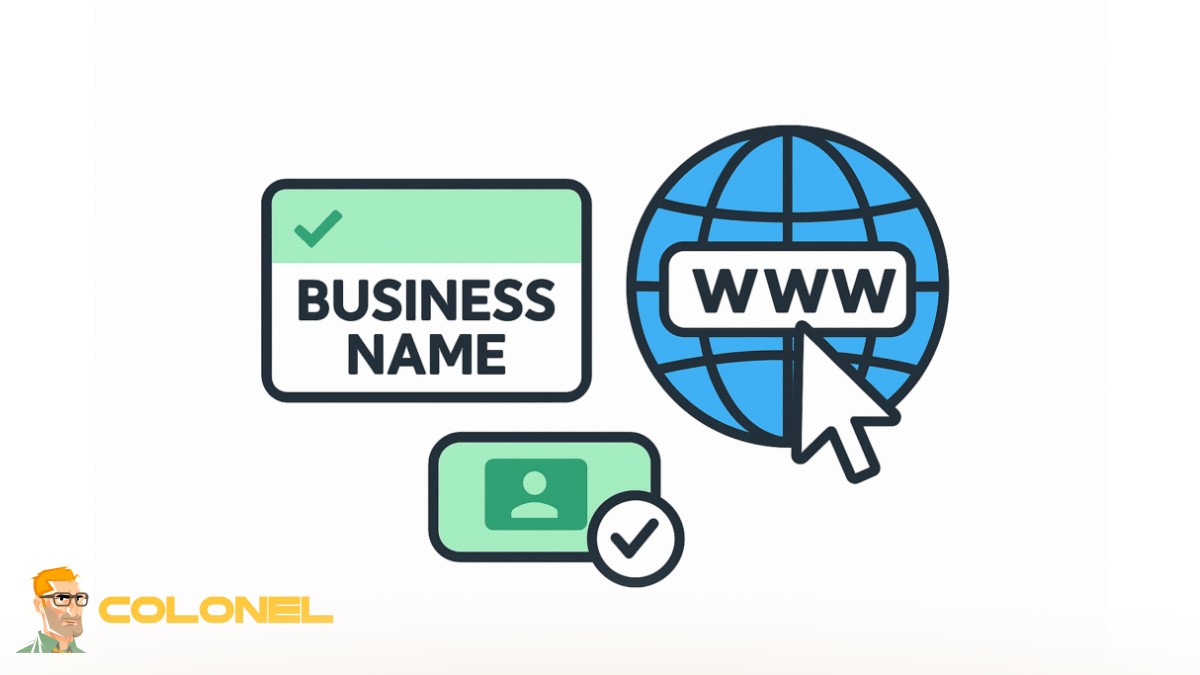
Choosing the Right Domain Name
Your domain name is the digital identity of your business and often the first thing customers see. It should be short, memorable, and closely related to your brand or industry. A strong domain name makes it easier for users to remember and return to your website.
When researching How to Start a Online Business, many entrepreneurs underestimate the importance of branding through domain selection. Choosing a clear and professional domain name can strengthen brand recognition and improve online visibility.
Selecting Reliable Web Hosting
Web hosting determines how well your website performs online. Reliable hosting ensures that your website loads quickly, stays online without interruptions, and provides secure access for visitors. Poor hosting can lead to slow loading times and frequent downtime, which negatively affects user experience and search rankings.
Entrepreneurs learning How to Start a Online Business should prioritize hosting providers that offer strong security features, reliable uptime, and scalable infrastructure to support business growth.
Designing a User-Friendly Website
User experience plays a major role in online business success. A user-friendly website should have clear navigation, logical page structure, and mobile responsiveness. Visitors should be able to easily find products, services, and contact information without confusion.
Design elements such as fast loading speeds, simple layouts, and clear call-to-action buttons can significantly improve engagement and conversion rates. Businesses that prioritize usability are more likely to retain customers and encourage repeat visits.

Choosing the Best Platform for Your Online Business
The platform you choose determines how easily you can build, manage, and scale your online business. Different platforms offer different levels of customization, automation, and scalability. Selecting the right platform depends on the type of business you plan to operate.
When researching How to Start a Online Business, entrepreneurs should compare platform features, pricing, and flexibility to ensure the system supports long-term growth.
E-commerce Platforms for Online Stores
E-commerce platforms provide the tools needed to sell products online, manage inventory, process payments, and track orders. Platforms like Shopify and WooCommerce are widely used by entrepreneurs launching online stores.
These platforms simplify store creation while offering features such as product management, payment integration, and shipping options. For many beginners exploring How to Start a Online Business, e-commerce platforms offer the fastest path to launching a product-based business.
Website Builders for Beginners
Website builders are designed for individuals who want to create websites without technical skills. Platforms such as Wix provide drag-and-drop interfaces that make website creation simple and accessible.
These tools allow entrepreneurs to build professional websites quickly while focusing on branding and content rather than coding. For beginners studying How to Start a Online Business, website builders can significantly reduce the technical barriers to entry.
CMS Platforms for Scalable Businesses
Content management systems provide advanced flexibility and customization. One of the most popular platforms is WordPress, which powers millions of websites worldwide.
CMS platforms allow businesses to manage large volumes of content, integrate plugins, and customize design features. Entrepreneurs who plan long-term growth often choose CMS solutions because they offer greater control over functionality and scalability.
Setting Up Secure Payment Systems
Payment processing is a critical component of any online business. Customers must feel confident that their financial information is protected when making purchases. Secure payment systems build trust and reduce the risk of fraud or data breaches.
When exploring How to Start a Online Business, entrepreneurs should ensure that payment systems support encryption, fraud detection, and reliable transaction processing.
Online Payment Gateways
Payment gateways allow businesses to accept credit cards, digital wallets, and other online payment methods. Services like PayPal and Stripe enable secure transactions between customers and businesses.
These gateways handle transaction verification, authorization, and settlement processes. By integrating trusted payment providers, online businesses can simplify checkout processes and increase customer confidence.
Payment Security and Fraud Protection
Online payment security protects both businesses and customers from financial risks. Security features such as encryption, tokenization, and fraud detection systems help prevent unauthorized transactions and identity theft.
Entrepreneurs learning How to Start a Online Business should implement strong security protocols to protect sensitive financial information and maintain customer trust.
Managing International Payments
Many online businesses serve customers worldwide, which requires supporting multiple currencies and international payment methods. Payment systems must handle currency conversions, tax calculations, and global compliance requirements.
Businesses that plan global expansion should ensure their payment infrastructure supports international transactions smoothly. This flexibility allows companies to reach broader audiences and increase revenue opportunities.
Branding Strategies for a Successful Online Business
Branding plays a crucial role in how customers perceive and remember a business. A strong brand communicates professionalism, credibility, and value. In the digital world, branding influences everything from website design to customer communication.
Entrepreneurs researching How to Start a Online Business should invest time in building a consistent brand identity that resonates with their audience.
Creating a Strong Brand Identity
Brand identity includes the tone of communication, brand values, visual elements, and messaging used across all platforms. A clear identity helps businesses differentiate themselves from competitors and create emotional connections with customers.
When building an online brand, consistency is key. Every interaction with customers should reflect the same brand personality and messaging.
Designing a Memorable Logo and Visual Style
Visual branding elements such as logos, color palettes, and typography play an important role in recognition. A memorable logo helps customers instantly identify your business across websites, social media, and advertisements.
Consistent design improves professionalism and strengthens brand recall. Businesses that invest in strong visual identity often appear more trustworthy and established.
Building Brand Trust Online
Trust is essential for converting website visitors into customers. Businesses can build trust through secure websites, transparent policies, and reliable communication channels.
For example, using professional communication solutions like Colonelserver Business Email Hosting can strengthen brand credibility. This service provides ad-free inboxes, advanced spam and virus protection, guaranteed privacy without tracking, and full compatibility with desktop and mobile devices. Professional email communication helps businesses maintain a trustworthy image while staying connected with customers.
SEO Strategies to Grow an Online Business
Search engine optimization is one of the most powerful strategies for generating long-term website traffic. SEO allows businesses to appear in search results when users look for relevant information, products, or services.
Entrepreneurs learning How to Start a Online Business should focus on SEO early because organic search traffic can become a consistent and cost-effective marketing channel.
Keyword Research for Online Business Websites
Keyword research identifies the phrases people use when searching online. By targeting relevant keywords, businesses can create content that matches user intent and attracts qualified visitors.
Understanding how users search for topics related to How to Start a Online Business helps entrepreneurs create content that answers real questions and ranks in search engines.
On-Page SEO Optimization
On-page SEO involves optimizing website elements such as titles, headings, internal links, and meta descriptions. These elements help search engines understand the content and determine its relevance.
Proper on-page optimization also improves user experience by making content easier to read and navigate.
Link Building and Authority Growth
Link building involves earning backlinks from other reputable websites. These links act as signals of trust and authority in search engine algorithms.
Websites with strong backlink profiles often rank higher in search results. Building partnerships, publishing valuable content, and guest posting are effective ways to earn high-quality links.
Digital Marketing Channels for Online Business Growth
Digital marketing allows businesses to reach targeted audiences and generate consistent traffic. Different channels provide unique advantages depending on the type of business and marketing goals.
Entrepreneurs researching How to Start a Online Business should develop a marketing strategy that combines multiple channels for maximum reach.
Social Media Marketing Strategies
Social media platforms allow businesses to engage with audiences, promote products, and build communities around their brands. Content such as educational posts, tutorials, and behind-the-scenes insights can strengthen customer relationships.
Businesses that actively interact with followers often develop loyal audiences that support long-term growth.
Email Marketing for Customer Retention
Email marketing remains one of the most effective digital marketing channels. It allows businesses to communicate directly with customers, share updates, promote products, and build long-term relationships.
If you want to improve the reliability and security of business emails, you may also find it useful to read the article “Boost Email Security with SPF, DKIM, DMARC.” This guide explains how authentication protocols help protect email communication and improve trust between businesses and customers.
Paid Advertising for Online Businesses
Paid advertising platforms enable businesses to reach targeted audiences quickly. These campaigns allow entrepreneurs to promote products, test marketing strategies, and generate traffic immediately.
While organic marketing strategies take time, paid advertising can accelerate growth when used strategically.
Tools and Automation for Scaling an Online Business
Automation tools help businesses manage repetitive tasks more efficiently. As an online business grows, automation becomes essential for maintaining productivity without increasing workload.
Entrepreneurs who understand How to Start a Online Business often rely on automation to handle marketing, customer communication, and performance analysis.
Marketing Automation Tools
Marketing automation tools allow businesses to schedule campaigns, track customer behavior, and manage marketing workflows automatically. These systems help maintain consistent communication with customers.
Automation also allows businesses to personalize messages based on customer behavior and preferences.
Customer Relationship Management (CRM) Systems
CRM systems store customer information, track interactions, and organize sales processes. Businesses use CRM platforms to manage leads, follow up with prospects, and maintain long-term customer relationships.
A well-implemented CRM system can improve customer satisfaction and increase conversion rates.
Analytics and Performance Tracking Tools
Analytics platforms help businesses measure website traffic, user behavior, and sales performance. Data insights allow entrepreneurs to identify trends, optimize marketing strategies, and improve customer experiences.
Tracking performance is essential for making informed business decisions and identifying opportunities for growth.
Common Mistakes to Avoid When Starting an Online Business
Many entrepreneurs make avoidable mistakes during the early stages of launching their online businesses. Identifying these pitfalls can help reduce risks and improve long-term success.
Understanding these challenges is an important part of learning How to Start a Online Business effectively.
Lack of Market Research
Skipping market research often leads to launching products or services that customers do not need. Without understanding demand, businesses may struggle to attract buyers.
Conducting proper research ensures the business idea solves real problems and targets the right audience.
Poor Website User Experience
A poorly designed website can drive potential customers away. Slow loading times, confusing navigation, and cluttered layouts create frustration for users.
Businesses that invest in clean design and smooth functionality are more likely to retain visitors and increase conversions.
Ignoring SEO and Digital Marketing
Even the best online business will struggle without effective marketing strategies. Ignoring SEO and digital marketing prevents businesses from reaching potential customers.
Building a strong online presence through content, social media, and search optimization is essential for long-term growth.