


Die besten Linux-Distributionen für virtuelle Server spielen eine entscheidende Rolle beim Aufbau einer stabilen Umgebung, sicher, und leistungsstarke Hosting-Umgebungen. Die Wahl der richtigen Verteilung kann sich direkt auf die Servereffizienz auswirken, Ressourcenmanagement, Skalierbarkeit, und langfristige Wartungskosten. Ob Sie eine VPS-Plattform betreiben, Verwaltung von Unternehmens-Workloads, oder Bereitstellung cloudbasierter Anwendungen, Die Auswahl einer für die Virtualisierung optimierten Linux-Distribution gewährleistet eine bessere Kompatibilität mit Hypervisoren, stärkere Sicherheitsfunktionen, und reibungslosere Systemaktualisierungen. In diesem Ratgeber, Wir erkunden die zuverlässigsten und leistungsstärksten Linux-Distributionen, die speziell für virtuelle Serverumgebungen entwickelt wurden.
Wichtige Funktionen, auf die Sie bei Linux-Distributionen für virtuelle Server achten sollten
Bei der Bewertung der besten Linux-Distributionen für virtuelle Server, Es ist wichtig, sich auf technische Eigenschaften zu konzentrieren, die sich direkt auf die Leistung auswirken, Skalierbarkeit, und Betriebsstabilität. Virtuelle Server unterscheiden sich von physischen Bereitstellungen, da sie stark von der Hypervisor-Kompatibilität abhängen, Ressourcenoptimierung, und Effizienz auf Kernel-Ebene. Eine Distribution, die auf Bare-Metal eine gute Leistung erbringt, liefert in einer virtualisierten Umgebung möglicherweise nicht unbedingt die gleichen Ergebnisse.
Bevor Sie eine Distribution auswählen, Administratoren sollten verstehen, was ein Linux-System für die Virtualisierung geeignet macht. Die folgenden Kernfunktionen definieren ein starkes Betriebssystem für virtuelle Server:
- Kernel Optimization and Hypervisor Support: Native compatibility with KVM, Xen, VMware, und Containerplattformen wie Docker sorgen für eine reibungslosere Virtualisierungsleistung.
- Minimaler Ressourcen-Fußabdruck: Leichte Basissysteme reduzieren den CPU- und RAM-Overhead, Dadurch stehen mehr Ressourcen für gehostete Anwendungen zur Verfügung.
- Security Hardening Features: SELinux, AppArmor, Firewall-Integration, und konsistente Sicherheitspatch-Zyklen sind in mandantenfähigen virtuellen Infrastrukturen von entscheidender Bedeutung.
Über diese wesentlichen Dinge hinaus, package management stability, Update-Zuverlässigkeit, Unterstützung durch die Gemeinschaft, und Dokumentationsqualität beeinflussen auch die langfristige Nachhaltigkeit. Unternehmensumgebungen erfordern vorhersehbare Release-Zyklen, während Startups möglicherweise innovative Pakete priorisieren. Die richtige Balance zwischen Innovation und Stabilität entscheidet darüber, ob ein System wirklich zu den besten Linux-Distributionen für virtuelle Server gehört.
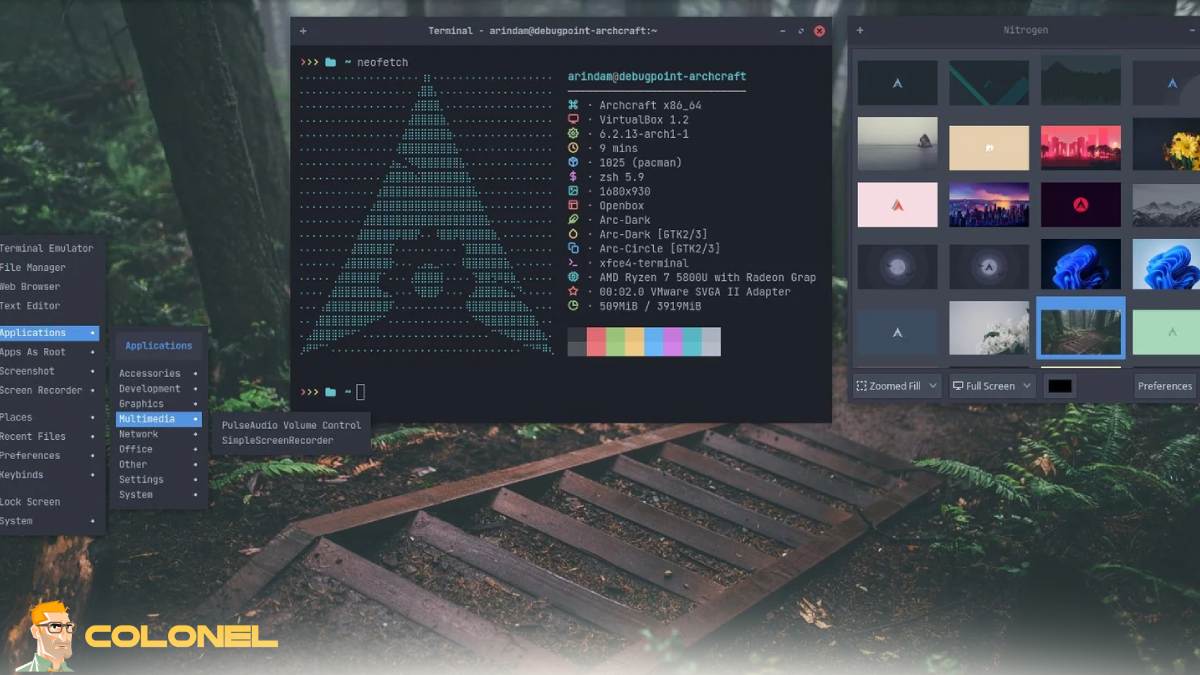
Ubuntu-Server für virtuelle Umgebungen
Ubuntu Server ist eines der am weitesten verbreiteten Betriebssysteme für virtuelle Maschinen und Cloud-Bereitstellungen. Seine Popularität ist auf die umfassende Unterstützung der Community zurückzuführen, vorhersehbare LTS-Veröffentlichungen, und nahtlose Integration mit den wichtigsten Cloud-Plattformen.

WordPress-Webhosting
Ab 3,99 $/Monat
Ubuntu Server bietet optimierte Kernel für die Virtualisierung, integrierte Unterstützung für KVM, und reibungslose Kompatibilität mit OpenStack-Umgebungen. Das Paket-Ökosystem ist riesig, Ermöglicht Administratoren die Bereitstellung von Webservern, Datenbanken, und Container-Orchestrierungsplattformen mit minimalem Konfigurationsaufwand.
Ein großer Vorteil von Ubuntu bei virtuellen Setups ist das langfristige Supportmodell. LTS-Versionen erhalten fünf Jahre lang Updates, Gewährleistung der Zuverlässigkeit der Produktionsarbeitslasten. Zusätzlich, Der Live-Patching-Service von Canonical reduziert Ausfallzeiten durch die Anwendung wichtiger Kernel-Patches ohne Neustarts.
For VPS hosting companies and cloud-native deployments, Aufgrund seines ausgewogenen Verhältnisses zwischen Benutzerfreundlichkeit und Leistung auf Unternehmensniveau zählt Ubuntu oft zu den besten Linux-Distributionen für virtuelle Server.
CentOS Stream- und Unternehmensstabilität
CentOS Stream nimmt eine einzigartige Position zwischen der Fedora-Innovation und der Stabilität von Red Hat Enterprise Linux ein. Im Gegensatz zum traditionellen CentOS-Modell, Stream fungiert als fortlaufende Vorschau zukünftiger RHEL-Updates.
Für Administratoren virtueller Server, die Unternehmenszuverlässigkeit suchen, CentOS Stream bietet nahezu RHEL-Kompatibilität und behält gleichzeitig den Zugriff auf bevorstehende Verbesserungen bei. Dadurch eignet es sich für Staging-Umgebungen, Entwicklungscluster, und Virtualisierungsplattformen, die vorhersehbare Paketökosysteme erfordern.
Jedoch, weil es einem Rolling-Release-Ansatz folgt, Produktionssysteme, die eine langfristige statische Stabilität erfordern, bevorzugen möglicherweise Alternativen. Trotzdem, für Organisationen, die RHEL-basierte Infrastrukturen ohne Lizenzkosten aufbauen, CentOS Stream bleibt eine konkurrenzfähige Wahl in Diskussionen über die besten Linux-Distributionen für virtuelle Server.

Günstiger VPS-Server
Ab 2,99 $/Monat

Debian für leichte virtuelle Server
Debian ist für seinen Minimalismus bekannt, felsenfeste Stabilität, und konservative Update-Philosophie. In virtuellen Umgebungen, in denen es auf Ressourceneffizienz ankommt, Die schlanke Basisinstallation von Debian bietet einen erheblichen Vorteil.
Im Gegensatz zu Distributionen, die zahlreiche Hintergrunddienste vorab laden, Debian ermöglicht Administratoren, Systeme von Grund auf zu erstellen. Dies führt zu schnelleren Startzeiten und einer geringeren Speichernutzung – Schlüsselfaktoren in VPS-Hosting-Szenarien.
Der APT-Paketmanager von Debian sorgt für eine zuverlässige Abhängigkeitsbehandlung, und sein umfangreiches Repository-Ökosystem unterstützt nahezu alle gängigen Serveranwendungen. Aufgrund des vorhersehbaren Veröffentlichungszyklus und des minimalen Overheads, Debian erscheint häufig auf Expertenlisten der besten Linux-Distributionen für virtuelle Server.
AlmaLinux als CentOS-Alternative
AlmaLinux entwickelte sich zu einem gemeinschaftsorientierten Unternehmen, binärkompatible Alternative zu RHEL nach Änderungen im CentOS-Projekt. Es bietet Stabilität auf Unternehmensebene ohne Abonnementkosten.
AlmaLinux behält die volle Kompatibilität mit Red Hat Enterprise Linux bei, Dies bedeutet, dass Administratoren Arbeitslasten ohne Konfigurationsänderungen migrieren können. Dies macht es besonders attraktiv für Virtualisierungscluster, die auf RPM-basierten Ökosystemen basieren.

Windows VPS-Hosting
Remote Access & Full Admin
Organisationen legen Wert auf langfristige Unterstützung, Unternehmenskompatibilität, und Kostenkontrolle zählen AlmaLinux oft zu ihren bevorzugten besten Linux-Distributionen für virtuelle Server, insbesondere in Hosting-Umgebungen, die von alten CentOS-Systemen abwandern.
Rocky Linux für Unternehmensvirtualisierung
Rocky Linux wurde gegründet, um eine stabile Version bereitzustellen, Von der Community unterstützte RHEL-kompatible Plattform. Der Schwerpunkt liegt stark auf langfristiger Vorhersehbarkeit und Unternehmensresilienz.
Für virtuelle Infrastrukturen, Rocky Linux bietet eine starke SELinux-Integration, konsistente Patching-Zeitpläne, und Leistungsparität mit RHEL. Rechenzentren, die auf stabile Virtualisierungscluster angewiesen sind, setzen Rocky Linux häufig sowohl für Hypervisoren als auch für Gastsysteme ein.
Aufgrund seiner Unternehmensausrichtung und transparenten Governance, Rocky Linux hat sich schnell den Ruf als eine der besten Linux-Distributionen für virtuelle Server für Produktions-Workloads erworben.
Proxmox VE als virtualisierungsorientierte Plattform
Proxmox VE ist nicht nur eine Linux-Distribution, sondern eine vollständige Virtualisierungsmanagementplattform, die auf Debian basiert. Es integriert KVM-Virtualisierung und LXC-Container mit einer leistungsstarken webbasierten Verwaltungsoberfläche.
Proxmox vereinfacht die Clusterverwaltung, Backup-Planung, und Hochverfügbarkeitskonfigurationen. Für Administratoren, die einen All-in-One-Virtualisierungsstack suchen, Es bietet eine effiziente Lösung ohne zusätzliche Lizenzgebühren.
In der folgenden Tabelle werden die wichtigsten virtualisierungsorientierten Funktionen verglichen:
| Verteilung | Nativer Hypervisor | Webmanagement | Containerunterstützung | Bereit für Unternehmen |
|---|---|---|---|---|
| Ubuntu-Server | KVM | Beschränkt (CLI-basiert) | Docker/LXD | Ja |
| Debian | KVM | CLI | Docker/LXC | Ja |
| AlmaLinux | KVM | CLI | Podman/Docker | Ja |
| Rockiges Linux | KVM | CLI | Podman/Docker | Ja |
| Proxmox VE | KVM + LXC | Vollständige GUI | LXC | Ja |
Proxmox zeichnet sich dadurch aus, dass Virtualisierung sein Hauptzweck ist, keine Zusatzfunktion.

Vergleich von Leistung und Ressourceneffizienz
Leistungsbenchmarking spielt eine entscheidende Rolle bei der Ermittlung der besten Linux-Distributionen für virtuelle Server. Faktoren wie die Bootzeit, Speicherverbrauch, E/A-Durchsatz, und der CPU-Overhead muss unter realistischen Arbeitslasten bewertet werden.
Im Allgemeinen:
- Debian und AlmaLinux weisen eine geringere Basis-RAM-Nutzung auf.
- Ubuntu bietet umfassendere Treiberunterstützung und Automatisierungstools.
- Rocky Linux bietet starke Konsistenz auf Unternehmensniveau.
Der folgende Ressourcenvergleich verdeutlicht allgemeine Tendenzen:
| Verteilung | Basis-RAM-Nutzung | Boot-Geschwindigkeit | Stabilitätsbewertung | Idealer Anwendungsfall |
|---|---|---|---|---|
| Debian | Sehr niedrig | Schnell | Hoch | Leichter VPS |
| Ubuntu-Server | Mäßig | Schnell | Hoch | Cloud-Workloads |
| AlmaLinux | Niedrig | Mäßig | Sehr hoch | Unternehmens-Apps |
| Rockiges Linux | Niedrig | Mäßig | Sehr hoch | Produktionsserver |
| Proxmox VE | Mäßig | Mäßig | Hoch | Virtualisierungshost |
Die tatsächliche Leistung hängt vom Workload-Typ ab, Hypervisor-Konfiguration, und Hardwarezuordnung.
Sicherheitsüberlegungen für virtuelle Server
Sicherheit ist für den Erfolg der Virtualisierung von zentraler Bedeutung. Multi-Tenant-Umgebungen erhöhen das Gefährdungsrisiko, Dies macht gehärtete Kernel und Zugriffskontrolle unerlässlich.
Administratoren sollten implementieren:
- Obligatorische Zugangskontrollsysteme wie SELinux oder AppArmor.
- Über iptables oder nftables konfigurierte Firewallregeln.
- Verschlüsselte Kommunikationskanäle mit HTTPS und SSL.
Wie von bemerkt Roter Hut:
„Sicherheit muss in jede Ebene der Infrastruktur integriert werden, vom Betriebssystem bis zum Anwendungsstapel.“
Die Sicherheit virtueller Server hängt auch von einer ordnungsgemäßen Dienstverwaltung ab. Für tiefere Einblicke in die sichere Verwaltung von Hintergrunddiensten, Erwägen Sie das Lesen Ein praktischer Leitfaden für Linux-Dienste und -Daemon, Dies erklärt, wie die Steuerung von Systemdiensten die Betriebsstabilität verbessert.
Auf der Liste der besten Linux-Distributionen für virtuelle Server dominieren häufig sicherheitsorientierte Distributionen, insbesondere im Unternehmens- und Finanzsektor.
Langfristiger Support (LTS) und Aktualisierungsrichtlinien
Der langfristige Support bestimmt, ob eine Distribution Produktions-Workloads ohne störende Migrationen aufrechterhalten kann. Ubuntu LTS-Versionen bieten fünf Jahre Support, während AlmaLinux und Rocky Linux sich am erweiterten Lebenszyklusmodell von RHEL orientieren.
Die Update-Richtlinien variieren erheblich. Rolling-Release-Modelle sorgen für schnelle Innovation, bringen aber auch Variabilität mit sich. LTS-Modelle mit fester Version legen Wert auf Konsistenz und langfristige Zuverlässigkeit.
Administratoren virtueller Server müssen bewerten, ob ihre Infrastruktur stärker von Innovationsgeschwindigkeit oder Stabilitätsgarantien profitiert. Die zuverlässigsten besten Linux-Distributionen für virtuelle Server kombinieren typischerweise strukturierte Patch-Zyklen mit transparenten Release-Roadmaps.
Welche Linux-Distribution eignet sich am besten für Ihren virtuellen Server??
Die Auswahl der besten Linux-Distributionen für virtuelle Server hängt von Ihren spezifischen betrieblichen Anforderungen ab. Eine allgemeingültige Antwort gibt es nicht; Die ideale Verteilung stimmt mit den Infrastrukturzielen überein.
Wenn Sie Wert auf leichte Effizienz legen, Debian könnte ideal sein. Für Cloud-native Flexibilität und Automatisierung, Ubuntu Server sticht heraus. Bei Bereitstellungen auf Unternehmensniveau werden aufgrund ihrer RHEL-Kompatibilität häufig AlmaLinux oder Rocky Linux bevorzugt. In der Zwischenzeit, Proxmox VE bietet einen umfassenden Virtualisierungsstack für das Clustermanagement.
Bevor Sie eine Entscheidung treffen, auswerten:
- Art der Arbeitslast und erwartetes Verkehrsaufkommen.
- Erforderliche Compliance-Standards.
- Verfügbares technisches Fachwissen.
- Langfristige Wartungsstrategie.
Jede Distribution zeichnet sich in unterschiedlichen Szenarien aus, und das Verständnis dieser Nuancen gewährleistet eine optimale Leistung.
Abschluss
Die Auswahl aus den besten Linux-Distributionen für virtuelle Server erfordert eine ausgewogene Leistung, Stabilität, Sicherheit, und Support-Lebenszyklus. Ubuntu Server bietet cloudfreundliche Flexibilität, Debian zeichnet sich durch leichte Effizienz aus, und AlmaLinux und Rocky Linux bieten Zuverlässigkeit auf Unternehmensniveau. Proxmox VE vereinfacht das Virtualisierungsmanagement mit integrierten Tools.
Letztlich, Die richtige Wahl hängt von den Arbeitsanforderungen und der langfristigen Betriebsplanung ab. Durch die Bewertung der Hypervisor-Kompatibilität, Ressourceneffizienz, Sicherheitsmechanismen, und Aktualisierungsrichtlinien, Administratoren können belastbare virtuelle Infrastrukturen aufbauen, die sich problemlos in die Zukunft skalieren lassen.