
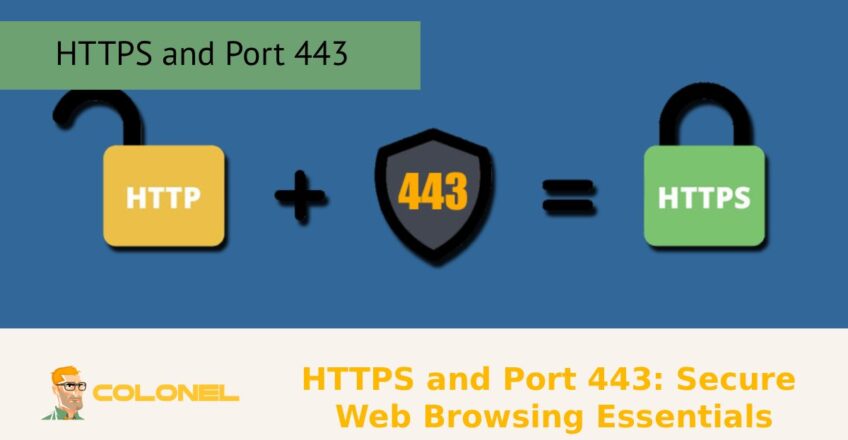

HTTPS and Port 443 are the foundation of Secure Web Browsing in the current digital age. HTTPS ensures the encryption of data being transmitted between users and websites, thus securing passwords, payment information, and personal data from being intercepted or tampered with. Port 443 is the default port used for communication between HTTPS traffic, thus ensuring that the secure connection between browsers and web servers is established. HTTPS and Port 443 provide a secure platform that secures online activities, improves privacy, and boosts user confidence on the web.
What Is HTTPS and How Does It Work?
HTTPS (HyperText Transfer Protocol Secure) is the secure version of HTTP, the protocol used for the transfer of data between a web browser and a website. It makes sure that all data transferred between the client and the server is encrypted and safe from any unauthorized access. In essence, HTTPS uses the SSL/TLS protocols for creating a secure connection before any sensitive information is transferred.
When a user enters the URL of a website into the browser, it sends a connection request to the server. If everything is in place, the server responds by displaying its digital certificate. The browser then checks this certificate with a trusted Certificate Authority. After the certificate is verified, a secure session key is created using asymmetric cryptography. After this process, symmetric encryption is used for faster communication.
All this happens to provide Secure Web Browsing, which provides confidentiality, integrity, and authentication. Without HTTPS, it is possible that passwords, payment information, and other personal details could be intercepted while being transmitted. HTTPS and Port 443 provide a trusted and secure communication channel for modern websites.

The Importance of Port 443 in Secure Communication
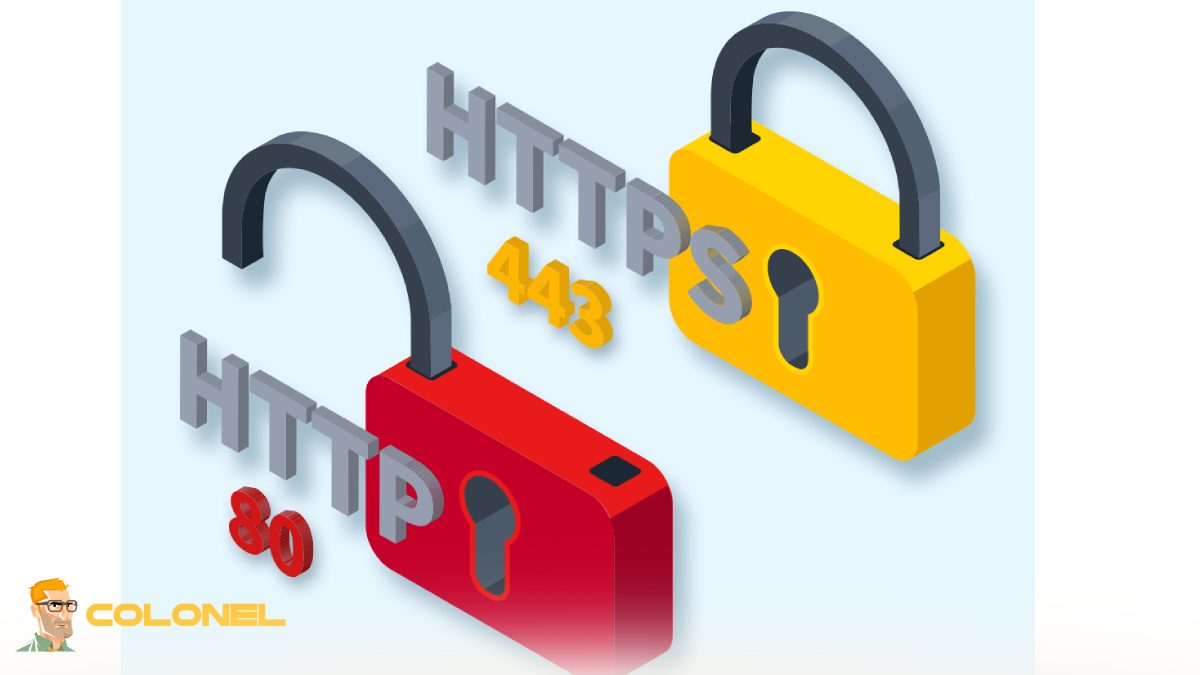
Port 443 is the default network port for HTTPS communication. In computer networking, a port is a communication endpoint that helps in routing different types of communications. Though HTTP communication uses port 80, HTTPS communication uses port 443.

WordPress Web Hosting
Starting From $3.99/Monthly
When a browser is used to access a website via HTTPS, it automatically communicates with port 443. This makes it easier to configure firewalls and ensures compatibility with different devices and platforms. The combination of HTTPS and port 443 is the backbone of secure web communication, enabling Secure Web Browsing.
Port 443 also plays an important role in a business setup. Network administrators usually configure firewalls to allow communication on port 443 and block communication on other ports. This increases the security level by restricting the number of attack points. Since encrypted communication takes place on this port, it plays a vital role in securing online communications.
HTTP vs HTTPS: Key Differences
Although HTTP and HTTPS may look similar, their differences are significant and directly impact security and trust.
| Feature | HTTP | HTTPS |
|---|---|---|
| Default Port | 80 | 443 |
| Encryption | No | Yes (SSL/TLS) |
| Data Integrity | Vulnerable | Protected |
| Authentication | None | Verified via Certificate |
| SEO Impact | Lower ranking | Preferred by search engines |
HTTP transmits data in plain text, making it susceptible to interception and modification. HTTPS, on the other hand, encrypts all transmitted information, preventing eavesdropping and tampering. This encryption supports Secure Web Browsing and ensures users can safely interact with websites.
Another major difference lies in trust signals. Browsers display a padlock icon when a site uses HTTPS, signaling that the connection is secure. HTTPS and Port 443 are therefore not just technical components but also trust indicators for users.

Cheap VPS Server
Starting From $2.99/Monthly
SSL/TLS Encryption Explained
SSL (Secure Sockets Layer) and its successor, TLS (Transport Layer Security), are cryptographic protocols that ensure secure communication across a network. Although SSL is now considered outdated, it is still widely used when referring to website security certificates.
The encryption process includes two primary types of cryptography:
- Asymmetric encryption, which is used in the handshake process.
- Symmetric encryption, which is used for efficient data transfer.
In the handshake process, the client and server negotiate the encryption algorithms and establish shared session keys. This process ensures that even if the data is intercepted, it cannot be decoded without the encryption key.
SSL/TLS encryption facilitates Secure Web Browsing by ensuring the confidentiality and integrity of data. HTTPS and Port 443 utilize these encryption protocols to establish secure communication channels between users and servers.
Why Secure Web Browsing is Important Today
In today’s web-based economy, users are sharing personal information on the internet every day. Whether it’s online banking, e-commerce, or cloud computing, secure communication is no longer a choice—it’s a necessity. Cyber threats like data breaches, identity theft, and phishing are becoming more and more sophisticated.
Secure Web Browsing helps ensure that users can trust the websites they are visiting. Encryption prevents man-in-the-middle attacks and data interception. In addition, compliance regulations like GDPR and other data protection regulations require secure handling of personal data.

Windows VPS Hosting
Remote Access & Full Admin
Organizations that don’t support HTTPS will ultimately lose the trust of their customers and harm their reputation. HTTPS and Port 443 are the backbone of maintaining customer trust and compliance in today’s web infrastructure.

How HTTPS Protects Sensitive Data
HTTPS safeguards sensitive information by encrypting data before it is transmitted. This prevents attackers from reading or modifying the data in transit. For example, login credentials entered on a secure website are encrypted before being sent to the server.
Protection occurs in three key ways:
- Confidentiality: Data is encrypted and unreadable to unauthorized parties.
- Integrity: Data cannot be altered without detection.
- Authentication: Users can verify they are communicating with a legitimate server.
These features make Secure Web Browsing possible. HTTPS and Port 443 ensure that financial transactions, personal messages, and confidential business communications remain protected.
If you are interested in broader security strategies and tools that complement HTTPS protection, consider reading Vaultwarden vs Bitwarden: Can It Really Replace 1Password?, which explores password management solutions that further enhance online security practices.
Digital Certificates and Authentication
Digital certificates are critical parts of HTTPS. They authenticate the identity of a website and are issued by trusted Certificate Authorities. When a browser accesses a website, it authenticates the certificate for its validity and consistency with the domain name.
Digital certificates hold vital information:
- Domain name
- Issuing authority
- Expiration date
- Public key
If the certificate is not valid or has expired, the browser notifies users of possible security threats. This authentication process enhances Secure Web Browsing by protecting against impersonation attacks.
HTTPS and Port 443 require valid certificates to facilitate encrypted sessions. Without proper certificate management, even secure communication can be threatened.

Common Security Threats Prevented by HTTPS
HTTPS is an important mechanism for countering a variety of cyber security threats. Without encryption, hackers can easily intercept communications on public Wi-Fi networks or routers that have been compromised.
Some common security threats that are prevented by HTTPS include:
- Man-in-the-middle (MITM) attacks
- Session hijacking
- Data sniffing
- Content injection
- Credential theft
With data encryption and server identity authentication, Secure Web Browsing is no longer a threat but a reality. HTTPS and Port 443 make it much harder for these attacks to be successful.
Configuring Port 443 on Web Servers
Configuring port 443 is a critical step in enabling HTTPS on web servers. Web servers such as Apache, Nginx, and IIS need to be configured to listen on port 443 and use proper SSL/TLS certificates.
The common steps for configuring port 443 include:
- Installing an SSL certificate on the server
- Modifying server configuration files to support SSL
- Redirecting HTTP traffic to HTTPS
- Configuring firewall settings to allow traffic on port 443
In addition, administrators need to disable outdated protocols such as SSL 3.0 and weak ciphers to ensure that the highest levels of encryption are used. HTTPS and Port 443 need to be configured correctly to ensure Secure Web Browsing on all devices and browsers.
Benefits of HTTPS in SEO and Performance
Search engines give priority to secure websites. Google, for instance, lists HTTPS as a search engine optimization (SEO) ranking criterion. Websites that use HTTPS enjoy better search engine results compared to insecure websites.
In addition to SEO, HTTPS can also enhance performance through HTTP/2 and HTTP/3 support, which require the use of HTTPS. These new versions of HTTP significantly improve page loading speed and overall performance.
Secure Web Browsing also promotes user trust, which can translate to increased conversion rates. Users feel confident to complete transactions when they notice the secure padlock symbol. HTTPS and Port 443 therefore play a significant role in both security and business expansion.

Best Practices for HTTPS Implementation
To implement HTTPS successfully, organizations should engage in proper planning and maintenance. Organizations should adopt security best practices to achieve maximum security.
Best practices include:
- Issuing certificates from trusted Certificate Authorities
- Enabling HSTS (HTTP Strict Transport Security)
- Regularly updating and checking certificates
- Using robust TLS versions (1.2 or 1.3)
- Forcing all HTTP traffic to HTTPS
These best practices ensure that Secure Web Browsing remains functional and protected against new security threats. HTTPS and Port 443 therefore require continuous monitoring and updating to maintain the highest levels of security.
Troubleshooting Common HTTPS and Port 443 Issues
Despite its benefits, HTTPS can sometimes present technical challenges. Common issues include certificate errors, mixed content warnings, and firewall misconfigurations.
If users encounter browser warnings, administrators should verify certificate validity and ensure the certificate matches the domain. Mixed content errors occur when a secure page loads resources over HTTP. Updating all resource URLs to HTTPS resolves this issue.
Firewall settings may also block port 443 traffic, preventing secure connections. Ensuring that port 443 is open and properly routed is essential. Secure Web Browsing depends on resolving these technical problems promptly to avoid user distrust.
Regular security audits and monitoring tools can help identify vulnerabilities early. By maintaining HTTPS and Port 443 configurations properly, organizations can ensure uninterrupted and protected web experiences.
Conclusion
HTTPS has become a fundamental requirement for modern websites. By encrypting communication, authenticating server identities, and protecting data integrity, it creates a secure environment for users and businesses alike. Port 443 serves as the dedicated gateway for encrypted traffic, ensuring standardized and reliable secure connections.
Together, these technologies support Secure Web Browsing and protect against evolving cyber threats. From improved SEO rankings to enhanced customer trust, the benefits extend beyond security alone. Proper configuration, certificate management, and ongoing monitoring are essential for maintaining strong protection.
In an era where digital trust is critical, implementing robust encryption standards is no longer optional. Organizations that prioritize security infrastructure not only safeguard their users but also strengthen their long-term credibility and success.