
Linux Malware Detect: Maldet Scanning and Quarantine
Understanding Linux Malware Detect (LMD)
Linux Malware Detect, commonly known as LMD or Maldet, is a free and open-source malware scanning tool designed specifically for Linux-based hosting environments. It was developed to help system administrators identify malicious files, backdoors, web shells, malware uploads, and other security threats commonly ...
CentOS Stream vs AlmaLinux: Differences and Migration
Introduction to CentOS and AlmaLinux
CentOS Linux is discontinued; CentOS Stream is a separate, continuing release model. Plan new deployments on a supported release rather than treating old CentOS Linux installations as a current option.
For many years, CentOS was one of the most widely used Linux distributions in ...
How to Upgrade MariaDB on Ubuntu Safely
Understanding MariaDB
MariaDB is an open-source relational database management system derived from MySQL. It is widely used in web hosting environments, business applications, eCommerce platforms, analytics systems, and content management systems. Because it is compatible with many MySQL-based applications, MariaDB has become a preferred database engine for Linux ...
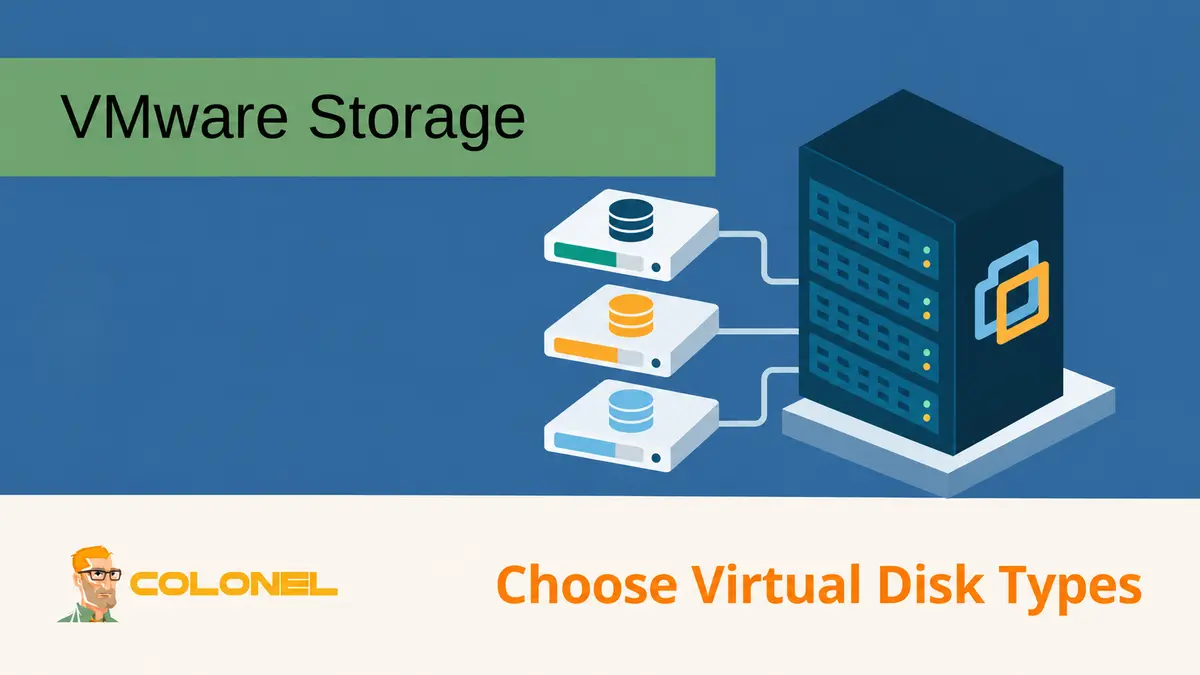
VMware Disk Types: Thin, Thick and Eager Zeroed
Understanding VMware Storage
Storage is one of the most important components of any virtual machine. Just like a physical server requires hard drives or SSDs to store operating systems, applications, databases, and files, VMware virtual machines also require storage resources to function.
VMware provides multiple disk types designed to ...

VoIP Dedicated Server Hosting: Requirements and Setup
What Is VoIP?
Voice over Internet Protocol (VoIP) is a communication technology that allows voice calls to be transmitted over the internet instead of traditional telephone networks. Rather than relying on conventional public switched telephone network (PSTN) infrastructure, VoIP converts voice communications into digital data packets that travel ...
What Is a Linux Daemon? Services and systemctl Explained
What Is a Daemon?
A daemon is a background process that provides a service on Linux or Unix-like systems, usually independently of an interactive login session. Unlike regular applications, daemons operate without direct user interaction and typically start automatically when the system boots.
These services are responsible for handling ...
WooCommerce PCI Compliance: Scope and Store Security
Understanding PCI Compliance
Use the current PCI DSS v4.0.1 assessment materials. This article explains the main concepts; the control summaries below are not the full standard or a compliance certification.
Every online store that accepts credit card payments is responsible for protecting customer payment information. Data breaches, card fraud, ...
Install Zabbix 7.0 LTS on Ubuntu 24.04
What Is Zabbix?
Zabbix is a powerful open-source monitoring platform designed to track the health, availability, and performance of servers, applications, network devices, cloud environments, and other IT infrastructure components.
Through its web-based management interface, administrators can monitor systems from a centralized dashboard, receive alerts when issues occur, and ...

How to View Full Email Headers in Gmail and Outlook
What Are Email Headers?
Every email contains a hidden section known as the message header. While most email applications only display the sender, recipient, subject, and message body, the header contains detailed technical information about how the email traveled across the internet.
Email headers are one of the most ...
How to Partition a Linux Disk with fdisk
Understanding Disk Partitioning
Before a newly attached hard drive can be used on a Linux server, it typically needs to be partitioned. Partitions divide a physical disk into logical sections that can later be formatted with file systems and mounted for use by the operating system.
Linux provides several ...
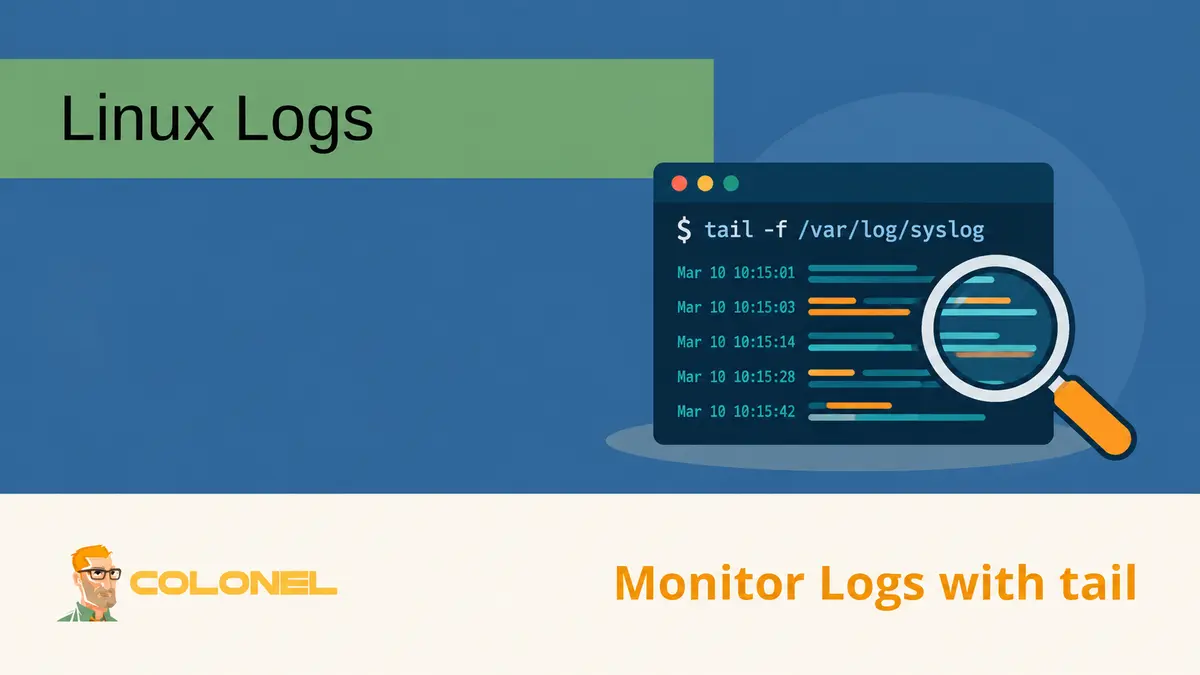
Monitor Linux Server Logs in Real Time with tail
Why Real-Time Log Monitoring Matters
Server logs provide a continuous record of what is happening on a system. They capture application activity, web requests, authentication attempts, service failures, email delivery events, and much more.
While reviewing historical logs is useful for troubleshooting past incidents, monitoring logs in real time ...
How to Benchmark VPS Performance: CPU, Disk and Network
Why VPS Benchmarking Matters
Run intensive tests on a test VPS or during a maintenance window. Check provider limits, available disk space and a dedicated test directory. Never point write tests at a production block device or existing data file. The numerical outputs below are illustrative, not performance ...
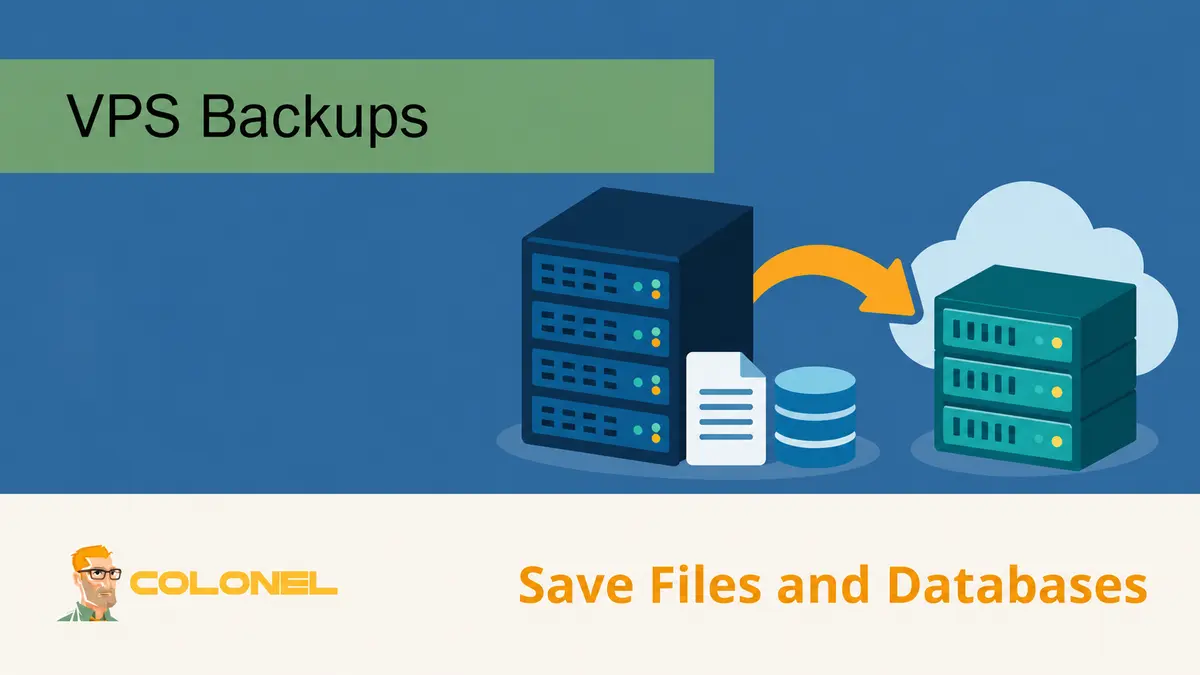
How to Back Up a VPS: Files, Databases and Offsite Copies
Why VPS Backups Are Essential
A reliable backup strategy is one of the most important parts of server administration. Whether you run websites, applications, databases, email services, or development environments, backups protect you against accidental deletions, hardware failures, software corruption, cyberattacks, and human error.
Without backups, recovering from data ...
How to Install Docker on an Ubuntu VPS
Introduction
Docker has become one of the most popular technologies for deploying and managing applications in modern server environments. By packaging applications and their dependencies into isolated containers, Docker provides consistency across development, testing, and production environments while minimizing resource consumption.
When combined with a Virtual Private Server (VPS), ...