

FinOps tools for cloud cost optimization are specific platforms that assist businesses in analyzing and optimizing their cloud expenses. As the adoption of cloud services increases on AWS, Azure, and Google Cloud platforms, infrastructure expenses have become difficult to forecast and manage.
The traditional cost management dashboard is not an effective solution for dynamic, containerized, and autoscaling environments. FinOps tools fill the gap between engineering, finance, and operations teams by offering visibility, accountability, and optimization insights.
What Are FinOps Tools and Why Are They Important for Cloud Cost Optimization?
FinOps tools are platforms that aim to implement the FinOps framework by providing continuous cloud cost optimization through visibility, governance, and automation. Unlike traditional billing and cost management dashboards, FinOps tools integrate cost visibility with:
- Usage patterns
- Resource configurations
- Team ownership structures
Cloud environments evolve rapidly, and without structured cloud cost optimization, spending becomes fragmented and difficult to attribute. FinOps tools for cloud cost optimization introduce discipline by allocating costs accurately, identifying inefficiencies, and ensuring that every team understands the financial impact of its architectural decisions.
They matter because cloud cost optimization is no longer a periodic audit exercise. It is an ongoing operational function that directly influences profitability, forecasting reliability, and infrastructure scalability. According to flexera:
“Cloud cost management tools … normalize this data using the FinOps FOCUS standard and display it in a centralized dashboard for unified, cross-provider expense tracking.”
Buy Now
WordPress Web Hosting
Starting From $3.99/Monthly
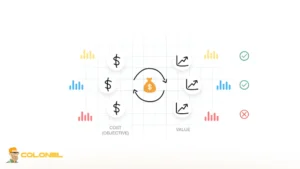
Core Capabilities Every FinOps Tool Should Provide
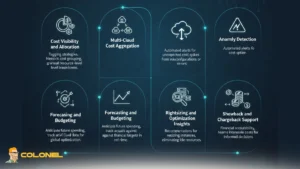
Best-of-breed FinOps tools for cloud cost optimization have a common set of core capabilities that help organizations transition from visibility to action. Without these capabilities, cloud cost optimization is a reactive and fragmented process.
- Cost Visibility and Allocation
Cost allocation to teams, projects, and environments is the starting point for cloud cost optimization. A mature FinOps tool should enable strategies for cost allocation, cost grouping, and resource-level allocation to provide complete visibility into cloud spending. - Multi-Cloud Cost Aggregation
Enterprises typically run across multiple cloud platforms. A FinOps tool should enable aggregation of cost data across AWS, Azure, and Google Cloud platforms to enable finance and engineering teams to analyze usage trends across clouds and optimize spending across clouds, not in isolation. - Forecasting and Budgeting
Forecasts enable organizations to plan future spending based on historical data and future deployments. Advanced FinOps tools for cloud cost optimization should enable budgeting workflows to track actual usage against budget in real-time. - Anomaly Detection
Unexpected cost spikes can result from misconfigurations, scaling errors, or abandoned resources. Automated anomaly detection enables faster incident response and prevents small inefficiencies from escalating into significant budget overruns. - Rightsizing and Optimization Insights
Recommendations for resizing instances, eliminating idle resources, and optimizing storage tiers are essential for continuous cloud cost optimization. These insights must be contextual and aligned with workload performance requirements. - Showback and Chargeback Support
Financial accountability improves when teams understand their cloud consumption impact. Showback and chargeback mechanisms ensure that departments internalize costs and make informed architectural decisions.
Categories of FinOps Tools in the Market
The FinOps tools for cloud cost optimization can be divided into several strategic categories based on:
- Depth of analysis
- Automation capabilities
- Integration scope.
Understanding the following categories helps organizations select a platform aligned with their operational maturity.
- The first category includes native tools provided by cloud vendors. These tools offer direct integration and foundational visibility but may lack advanced cross-cloud analytics.
- The second category consists of independent FinOps platforms designed to deliver deeper insights, enhanced reporting, and multi-cloud intelligence.
- A third category integrates cost optimization with observability platforms, linking performance monitoring with spending analytics.
- Finally, automation-driven optimization platforms focus heavily on autonomous resource adjustments and proactive cost control.
Each category addresses cloud cost optimization from a different angle, and the right choice depends on organizational scale, governance complexity, and technical architecture.
Cheap VPS Server
Starting From $2.99/Monthly
Native Cloud Cost Management Tools
Native cloud cost management tools are built directly into cloud provider ecosystems. They provide foundational cost tracking capabilities and seamless access to billing data, making them a natural starting point for organizations beginning their FinOps journey.
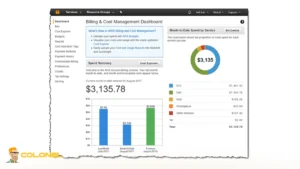
AWS Cost Explorer
AWS Cost Explorer enables users to visualize, filter, and forecast AWS spending over customizable time ranges. It supports detailed breakdowns by service, account, and tag, which helps teams understand usage patterns at a granular level.
While it provides strong foundational visibility and forecasting capabilities, its optimization insights remain largely advisory. Organizations operating in multi-cloud environments often require additional tools to consolidate cross-provider data for comprehensive cloud cost optimization.
Azure Cost Management
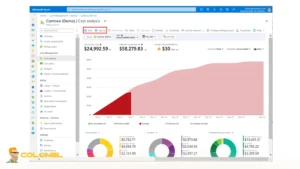
Azure Cost Management offers budgeting, cost analysis, and reporting capabilities within the Microsoft ecosystem. It integrates natively with Azure subscriptions and resource groups, making cost allocation straightforward for organizations deeply invested in Azure infrastructure.
The platform provides budget alerts and cost anomaly signals, supporting proactive cloud cost optimization. However, advanced automation and cross-cloud comparison features may require third-party FinOps tools for broader visibility.
Windows VPS Hosting
Remote Access & Full Admin
Google Cloud Billing
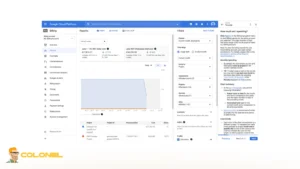
Google Cloud Billing includes cost reporting, export capabilities, and budget alerts that allow teams to track and manage spending within GCP environments. Its integration with BigQuery enables advanced cost analytics for organizations with strong data engineering capabilities.
Although it delivers solid reporting features, enterprises seeking advanced optimization recommendations or unified multi-cloud dashboards often extend it with dedicated FinOps tools for cloud cost optimization.
Independent FinOps Platforms for Advanced Optimization
Independent FinOps platforms extend beyond basic billing analytics by offering deeper insights, cross-cloud visibility, and collaborative workflows. These platforms are designed specifically for continuous cloud cost optimization at scale.
Apptio Cloudability
Apptio Cloudability delivers comprehensive multi-cloud cost visibility, budgeting controls, and detailed allocation features. It is particularly suited for large enterprises requiring structured governance and financial accountability across complex organizational hierarchies.
The platform supports advanced reporting and integration with enterprise financial systems, positioning it as a mature solution for structured FinOps practices.
Vantage
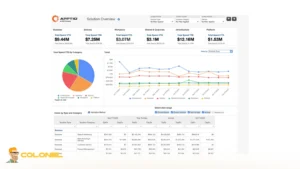
Vantage focuses on clear cost allocation, unified multi-cloud dashboards, and engineering-friendly reporting. It simplifies complex billing data into accessible insights that support ongoing cloud cost optimization across teams.
Its design emphasizes transparency and real-time analytics, which help organizations move from reactive monitoring to proactive cost control.
CloudHealth
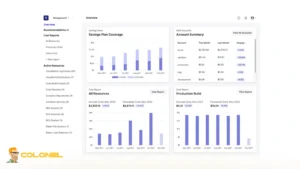
CloudHealth by VMware combines cost management with governance and compliance features. It provides policy-driven automation and reporting tools that enhance visibility across distributed cloud infrastructures.
Organizations seeking structured cloud governance alongside cost optimization often leverage CloudHealth to align operational performance with financial oversight.
Harness
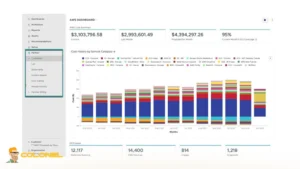
Harness integrates cloud cost optimization into broader DevOps workflows. Connecting deployment data with cost insights, it enables engineering teams to evaluate the financial impact of CI/CD decisions.
This integration strengthens accountability and supports continuous optimization within fast-moving development environments.
Spot by NetApp
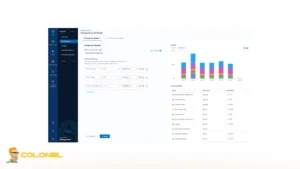
Spot by NetApp emphasizes automation-driven cloud cost optimization through intelligent instance management and dynamic scaling strategies. Its optimization engine analyzes workload patterns and automatically selects cost-efficient infrastructure configurations.
For organizations prioritizing automation and savings from compute optimization, Spot offers a performance-aware approach to cost reduction.
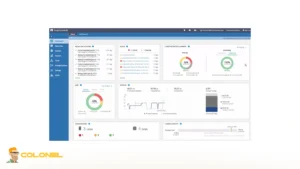
FinOps Tools Comparison for Cloud Cost Optimization
Selecting the right FinOps tools for cloud cost optimization requires a structured comparison of capabilities, automation depth, and multi-cloud support. While many platforms offer cost visibility, fewer provide advanced optimization intelligence and governance controls. A side-by-side evaluation helps organizations align tooling decisions with their operational maturity and financial objectives.
| Tool | Multi-Cloud Support | Forecasting | Automation | Best For |
| AWS Cost Explorer | AWS only | Yes | Limited | AWS-centric teams |
| Azure Cost Management | Azure focused | Yes | Limited | Microsoft ecosystem users |
| Google Cloud Billing | GCP only | Yes | Limited | Data-driven GCP users |
| Apptio Cloudability | Yes | Advanced | Moderate | Enterprise governance |
| Vantage | Yes | Strong | Moderate | Engineering-led FinOps |
| CloudHealth | Yes | Advanced | Policy-based | Governance + compliance |
| Harness | Yes | Strong | Integrated with CI/CD | DevOps teams |
| Spot by NetApp | Yes | Predictive | High automation | Compute optimization focus |
This comparison highlights an important pattern: native tools provide essential visibility, while independent FinOps platforms expand cloud cost optimization into governance, automation, and cross-functional accountability.
How to Choose the Right FinOps Tools for Cloud Cost Optimization?
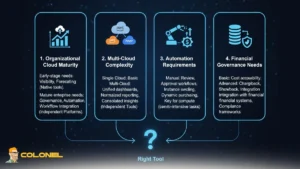
Choosing FinOps tools for cloud cost optimization depends on organizational scale, architectural complexity, and collaboration maturity between finance and engineering teams. A small startup with a single cloud provider has different needs compared to a multi-cloud enterprise operating across regions and business units.
The selection process should consider the following dimensions:
Organizational Cloud Maturity
Early-stage organizations often require strong visibility and forecasting features before investing in automation-heavy platforms. Native tools may be sufficient during the initial phase of cloud cost optimization, particularly when infrastructure remains centralized.
In contrast, enterprises with distributed teams and hybrid architectures benefit from platforms that enforce governance, automate rightsizing, and integrate cost intelligence into engineering workflows.
Multi-Cloud Complexity
If workloads span AWS, Azure, and Google Cloud, unified dashboards and normalized reporting become essential. Without consolidated insights, cost optimization decisions remain fragmented and inconsistent across environments.
Independent FinOps tools for cloud cost optimization offer centralized visibility, enabling leadership teams to evaluate total cloud expenditure rather than provider-specific snapshots.
Automation Requirements
Some organizations prioritize manual review and structured approval workflows. Others require automated scaling, instance switching, and dynamic purchasing decisions to maintain cost efficiency.
Automation-driven platforms are particularly effective for compute-intensive workloads and rapidly scaling applications, where real-time optimization significantly impacts overall cloud cost optimization outcomes.
Financial Governance Needs
Companies with strict internal chargeback policies need advanced allocation models and reporting layers. FinOps tools that support showback and cost accountability help internal stakeholders understand spending patterns and improve architectural decision-making.
A tool that integrates with financial systems and supports compliance frameworks strengthens long-term governance maturity.
Implementation Strategy for Sustainable Cloud Cost Optimization
Deploying FinOps tools for cloud cost optimization is not solely a technical integration task. Sustainable results require structured workflows, defined ownership, and continuous iteration. Without operational alignment, even the most advanced platform delivers limited value.
Establish Clear Cost Ownership
Cloud cost optimization improves when teams understand resource ownership. Defining tagging standards and allocating spending to accountable units prevents ambiguity and supports more precise optimization decisions.
Clear ownership also strengthens collaboration between engineering and finance teams, ensuring cost metrics influence technical planning.
Integrate Cost Insights into Engineering Workflows
Optimization recommendations must reach decision-makers during development and deployment cycles. Integrating FinOps tools for cloud cost optimization into CI/CD pipelines or observability platforms enables engineers to evaluate cost implications before scaling workloads.
When cost data becomes part of daily operational dashboards, optimization shifts from reactive correction to proactive planning.
Adopt Continuous Optimization Cycles
Cloud cost optimization is an ongoing process rather than a quarterly review exercise. Teams should establish recurring review cycles that assess anomaly reports, forecasting accuracy, and rightsizing recommendations.
Continuous evaluation prevents gradual cost drift and ensures infrastructure evolves efficiently alongside product growth.
Common Mistakes in Cloud Cost Optimization
Many organizations invest in FinOps tools for cloud cost optimization but fail to extract full value due to structural missteps. Recognizing these challenges strengthens implementation outcomes and accelerates optimization maturity.
- One frequent mistake involves relying solely on native billing dashboards while operating in multi-cloud environments. This fragmented approach limits holistic visibility and reduces the effectiveness of cloud cost optimization strategies.
- Another common issue arises when cost data remains confined to finance teams. Without engineering engagement, optimization insights rarely translate into architectural improvements.
- Finally, organizations sometimes pursue aggressive cost reductions without evaluating performance impact. Sustainable cloud cost optimization balances financial discipline with workload reliability and user experience.

Conclusion
FinOps tools for cloud cost optimization enable organizations to transform cloud spending from a reactive expense into a controlled, strategic investment. By combining visibility, governance, forecasting, and automation, these platforms align financial objectives with engineering execution.
The right solution depends on cloud maturity, automation needs, and organizational complexity. Native tools provide foundational visibility, while independent platforms extend capabilities into cross-cloud governance and proactive optimization.
A structured implementation strategy, clear ownership, and continuous review cycles ensure that cloud cost optimization remains embedded in daily operations rather than isolated in financial reporting.
Frequently Asked Questions
What are FinOps tools in cloud cost optimization?
FinOps tools are platforms that provide visibility, forecasting, allocation, and optimization insights to help organizations continuously manage and reduce cloud spending across one or multiple providers.
Are native cloud cost tools enough for cloud cost optimization?
Native tools can support early-stage cloud cost optimization, but multi-cloud environments and complex governance requirements often require independent FinOps platforms for broader visibility and automation.
How do FinOps tools improve forecasting accuracy?
FinOps tools for cloud cost optimization analyze historical usage trends, incorporate growth projections, and apply predictive models to estimate future cloud spending more reliably than static budgeting methods.
Do FinOps tools automate cost optimization?
Some platforms provide automated rightsizing, scaling adjustments, and instance management, while others focus primarily on reporting and governance. The level of automation varies by vendor and organizational needs.