
How to Set Up a CDN for Faster Websites
How to Set Up a CDN is one of the most effective ways to enhance the speed, reliability, and accessibility of your website. With the help of a CDN, you can distribute your content across various edge servers located across the globe, which helps to reduce latency ...


How to Choose RAM, CPU, and Storage for a High-Traffic Website?
Selecting the right server requirements for high-traffic websites is crucial to maintaining smooth performance for websites that handle large volumes of traffic. High-traffic websites require a precise balance of RAM, CPU, and storage to avoid bottlenecks, slow page loads, or downtime. Properly sizing these components ensures that ...

Your WordPress Site Is Slow — NVMe Hosting Fixes That
If your WordPress site feels slow despite good design and content, the real problem may be your hosting storage. Traditional SSD hosting can struggle with high traffic, heavy plugins, and database-intensive tasks. NVMe hosting fixes this by delivering significantly faster data access, lower latency, and smoother performance ...

Differentiate CPU Cores & Threads for Optimal Performance
Cores and threads perform distinct functions within a processor: cores are the physical units executing tasks, while threads are virtual instructions that allow better utilization of each core. Understanding how CPU cores and threads work is essential for maximizing computer performance. Grasping this difference helps both casual ...
How WordPress Caching Improves Loading Time and Overall Performance
WordPress caching is important for reducing page load times and improving overall website performance by limiting repetitive server-side processing. Instead of creating pages from scratch with every request, cached content lets WordPress deliver pre-built versions of pages. This significantly lowers server load and response time, leading to ...
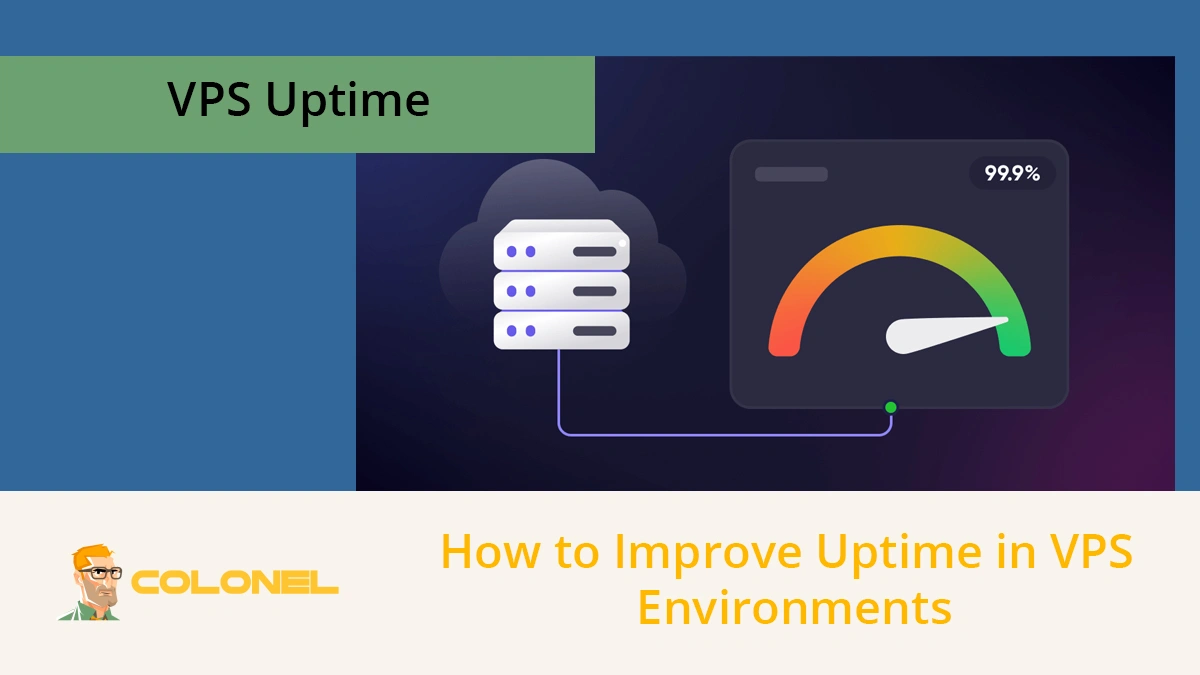
How to Improve Uptime in VPS Environments
VPS uptime improvement is essential for ensuring that your websites and applications remain consistently available to users. High uptime directly translates to a better user experience, improved SEO rankings, and sustained revenue generation.
In a VPS environment, downtime can disrupt services, lead to financial losses, and damage a ...
PHP OPcache Configuration for Faster Websites
PHP OPcache configuration refers to the process of optimizing OPcache parameters to ensure that PHP scripts are efficiently precompiled and stored in memory, thereby directly increasing website speed and reducing server load. When OPcache is properly configured, PHP no longer needs to recompile scripts repeatedly.
What Is PHP ...
How to Optimize High Server Load on a VPS
High server load can drastically slow down your VPS, causing delayed responses, sluggish page loading, and frustrated users. Optimizing server load ensures your VPS performs reliably under traffic spikes, prevents bottlenecks, and maintains a smooth user experience. This guide walks you through the main causes of high ...
PHP 8.5 – Complete Overview, Features, and Improvements
PHP 8.5 is a major release that continues the evolution of PHP as a modern, high-performance language for web development. With this version, developers gain access to a range of new features, enhancements, and optimizations that simplify coding, improve readability, and enhance runtime performance.
From the introduction of ...