
What Is Data Latency?
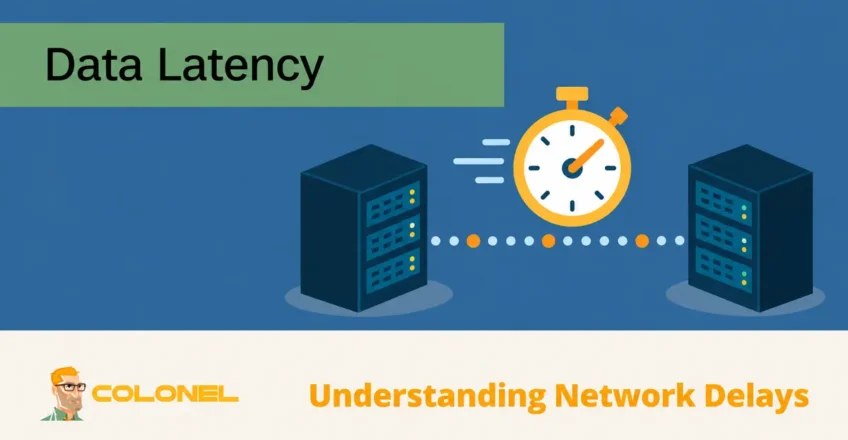
Data latency refers to the amount of time required for data to travel from its source to its destination. In practical terms, it represents the delay between an action occurring and the resulting information becoming available to users, applications, or systems.
Latency can appear in many forms, including:
- Slow website loading times
- Delayed application responses
- Lag in cloud services
- Slow payment processing
- Delays in database queries
- Poor video conferencing performance
Although latency is typically measured in milliseconds, even small delays can significantly affect user experience and operational efficiency.
For businesses that rely on digital services, minimizing latency is critical for maintaining performance, customer satisfaction, and revenue generation.
Why Data Latency Matters
Data latency affects nearly every modern business process.
Whether an organization operates an ecommerce platform, SaaS application, financial service, cloud infrastructure, or IoT environment, delays in data transmission can have measurable consequences.

WordPress Web Hosting
Starting From $3.99/Monthly
Research consistently shows that users expect fast responses. Even slight delays can increase bounce rates, reduce engagement, and negatively impact conversion rates.
High latency can result in:
- Slower application performance
- Reduced customer satisfaction
- Lost sales opportunities
- Delayed business decisions
- Lower employee productivity
- Increased operational inefficiencies
Organizations that prioritize performance often gain a competitive advantage through faster and more reliable digital experiences.
Types of Data Latency
Understanding where delays occur is the first step toward reducing them.
Several forms of latency can affect system performance.
Propagation Latency
Propagation latency refers to the time required for data to physically travel across a network.

Cheap VPS Server
Starting From $2.99/Monthly
The greater the distance between systems, the longer the propagation delay.
Examples include:
- Users accessing servers in another country
- Remote cloud deployments
- Long-distance network connections
Transmission Latency
Transmission latency occurs when data is being sent across a network connection.
Factors affecting transmission latency include:
- Available bandwidth
- Packet size
- Network congestion
- Connection quality
Larger data transfers generally require more time to transmit.
Processing Latency
Processing latency occurs when devices or applications require time to process incoming data.
Windows VPS Hosting
Remote Access & Full Admin
Examples include:
- Database queries
- Application calculations
- Firewall inspections
- API requests
- Encryption and decryption processes
Poorly optimized applications often experience increased processing delays.
Common Causes of Data Latency
Numerous technical and operational factors can contribute to latency issues.
Network Congestion
When large volumes of traffic compete for available bandwidth, packet delivery times increase.
Network congestion may result from:
- High user activity
- Insufficient bandwidth
- Large file transfers
- Poor traffic management
Server Performance Bottlenecks
Underpowered or overloaded servers can struggle to process requests efficiently.
Common causes include:
- CPU exhaustion
- Insufficient memory
- Slow storage devices
- High disk I/O utilization
Poor Application Design
Inefficient code can significantly increase response times.
Examples include:
- Unoptimized database queries
- Excessive API calls
- Resource-heavy scripts
- Poor caching implementation
Geographic Distance
The physical distance between users and infrastructure directly impacts latency.
The farther data must travel, the longer the delay.
This issue is particularly noticeable for:
- Global applications
- International customers
- Remote cloud deployments
Infrastructure Planning Issues
Organizational decisions can also contribute to latency.
Examples include:
- Inadequate bandwidth allocation
- Aging networking equipment
- Poor network architecture
- Lack of capacity planning
Addressing these issues often requires a combination of technical improvements and infrastructure upgrades.
The Impact of Latency on Business Operations
Latency affects both customer-facing services and internal operations.
Ecommerce Performance
Online stores are especially sensitive to delays.
Potential consequences include:
- Abandoned shopping carts
- Reduced conversion rates
- Lower customer satisfaction
- Lost revenue during peak traffic periods
Fast page loading and responsive checkout processes play a major role in customer retention.
SaaS and Cloud Applications
Cloud-based services depend heavily on low-latency communication.
Higher latency can lead to:
- Slow dashboards
- Delayed transactions
- Reduced productivity
- Poor user experiences
Organizations delivering software over the internet must continuously monitor latency metrics.
Internet of Things (IoT)
IoT environments often require real-time communication between devices and control systems.
Latency can disrupt:
- Monitoring systems
- Industrial automation
- Smart devices
- Sensor data collection
In some situations, delayed data can lead to inaccurate readings or operational failures.
Customer Experience
User experience is closely tied to performance.
Visitors expect:
- Fast page loads
- Instant interactions
- Responsive applications
- Reliable service delivery
Even small performance improvements can significantly enhance customer perception.
How to Reduce Data Latency
Reducing latency requires a combination of infrastructure improvements, software optimization, and ongoing monitoring.
Upgrade Network Hardware
Modern networking equipment often delivers better performance and traffic management capabilities.
Consider upgrading:
- Routers
- Switches
- Firewalls
- Network interface cards
Devices supporting Quality of Service (QoS) can prioritize critical traffic and reduce delays for important applications.
Improve Server Performance
Faster servers can process requests more efficiently.
Potential improvements include:
- Upgrading CPUs
- Increasing memory capacity
- Migrating to NVMe storage
- Deploying higher-performance infrastructure
Organizations running critical applications often benefit from dedicated resources rather than shared environments.
Optimize Applications and Databases
Software optimization can significantly reduce latency.
Recommended improvements include:
- Database indexing
- Query optimization
- Efficient caching
- Reduced API requests
- Minimized application overhead
Regular performance testing helps identify bottlenecks before they affect users.
Choose the Right Hosting Environment
Hosting infrastructure has a major impact on latency.
Shared Hosting
Shared hosting is typically the most affordable option but may experience performance fluctuations during periods of high demand.
VPS Hosting
Virtual Private Servers provide dedicated resources within a virtualized environment, offering improved consistency and performance.
Dedicated Servers
Dedicated servers provide exclusive access to hardware resources and generally offer the best performance and lowest latency.
Cloud Hosting
Cloud platforms provide scalability and flexibility while maintaining strong availability and performance.
The ideal solution depends on workload requirements, traffic levels, and business objectives.
Using Content Delivery Networks (CDNs)
A Content Delivery Network distributes content across multiple geographic locations.
CDNs reduce latency by serving content from servers located closer to end users.
Benefits include:
- Faster page loads
- Reduced server load
- Improved global performance
- Better user experience
CDNs are especially effective for:
- Images
- Videos
- Static assets
- Downloadable files
Leveraging Edge Computing
Edge computing processes data closer to where it is generated rather than sending everything to centralized infrastructure.
This approach reduces:
- Network travel time
- Processing delays
- Bandwidth consumption
Edge computing is particularly valuable for:
- IoT deployments
- Real-time analytics
- Industrial systems
- Smart devices
Monitoring Data Latency
Continuous monitoring helps organizations identify performance issues before they affect users.
Monitoring should include:
- Network performance
- Application response times
- Database performance
- Server resource utilization
Real-time visibility allows IT teams to quickly diagnose and resolve emerging problems.
Application Performance Monitoring (APM)
Application Performance Monitoring tools provide detailed insights into application behavior.
These solutions help identify:
- Slow transactions
- Code bottlenecks
- Infrastructure limitations
- Performance anomalies
Popular APM platforms can provide both historical reporting and real-time alerting.
Benefits of Continuous Monitoring
Ongoing monitoring delivers several advantages.
Early Detection of Problems
Performance bottlenecks can be identified before they escalate into larger outages.
Improved User Experience
Faster detection and resolution of issues help maintain service quality.
Better Resource Allocation
Monitoring data provides insight into where infrastructure investments will have the greatest impact.
Operational Efficiency
Performance analytics help administrators optimize systems while reducing unnecessary costs.
Step-by-Step Strategy for Reducing Latency
Organizations seeking measurable improvements can follow a structured approach.
Step 1: Assess Existing Infrastructure
Evaluate:
- Network performance
- Bandwidth usage
- Application response times
- Server utilization
Identify the primary sources of delay.
Step 2: Upgrade Infrastructure
Replace outdated components where necessary.
Potential upgrades include:
- Higher-speed networking equipment
- Faster storage systems
- Improved server hardware
- Better data center locations
Step 3: Optimize Network Configuration
Review routing and traffic management settings.
Implement:
- Quality of Service policies
- Efficient routing protocols
- Traffic prioritization rules
These improvements help reduce congestion and improve responsiveness.
Step 4: Deploy Advanced Performance Technologies
Consider implementing:
- Content Delivery Networks
- Edge computing
- Load balancing
- Traffic acceleration services
These technologies help reduce latency for distributed user bases.
Step 5: Monitor and Adjust Continuously
Performance optimization is an ongoing process.
Regularly review:
- Latency metrics
- Packet loss
- Throughput
- Round-trip time
- User feedback
Use collected data to guide future improvements.
Step 6: Measure Results
After implementing changes, compare new performance metrics against previous baselines.
Key indicators include:
- Response times
- Throughput
- User experience metrics
- Transaction speeds
- Service availability
Regular evaluation ensures improvements continue to align with business objectives.
Building a Low-Latency Infrastructure
Managing data latency is not simply a technical objective. It directly influences customer satisfaction, operational efficiency, and business growth.
By combining modern infrastructure, optimized applications, strategic hosting decisions, continuous monitoring, and performance-focused networking practices, organizations can significantly reduce latency and deliver faster, more reliable digital experiences to their users.