

FinOps-Tools zur Cloud-Kostenoptimierung sind spezielle Plattformen, die Unternehmen bei der Analyse und Optimierung ihrer Cloud-Kosten unterstützen. Da die Akzeptanz von Cloud-Diensten auf AWS zunimmt, Azurblau, und Google Cloud-Plattformen, Infrastrukturausgaben sind schwer vorherzusagen und zu verwalten.
Das herkömmliche Kostenmanagement-Dashboard ist keine effektive Lösung für dynamische, Containerisiert, und Umgebungen mit automatischer Skalierung. FinOps-Tools schließen die Lücke zwischen Engineering, Finanzen, und Betriebsteams durch die Bereitstellung von Transparenz, Rechenschaftspflicht, und Optimierungserkenntnisse.
Was sind FinOps-Tools und warum sind sie wichtig für die Cloud-Kostenoptimierung??
FinOps-Tools sind Plattformen, die darauf abzielen, das FinOps-Framework zu implementieren, indem sie durch Transparenz eine kontinuierliche Cloud-Kostenoptimierung ermöglichen, Regierungsführung, und Automatisierung. Im Gegensatz zu herkömmlichen Abrechnungs- und Kostenmanagement-Dashboards, FinOps-Tools integrieren Kostentransparenz mit:
- Nutzungsmuster
- Ressourcenkonfigurationen
- Team-Eigentümerstrukturen
Cloud-Umgebungen entwickeln sich schnell, und ohne strukturierte Cloud-Kostenoptimierung, Die Ausgaben werden fragmentiert und lassen sich nur schwer zuordnen. FinOps-Tools zur Cloud-Kostenoptimierung sorgen für Disziplin, indem sie die Kosten genau zuordnen, Ineffizienzen identifizieren, und sicherstellen, dass jedes Team die finanziellen Auswirkungen seiner Architekturentscheidungen versteht.
Sie sind wichtig, weil die Optimierung der Cloud-Kosten keine regelmäßige Prüfung mehr ist. Es handelt sich um eine fortlaufende operative Funktion, die sich direkt auf die Rentabilität auswirkt, Prognosesicherheit, und Skalierbarkeit der Infrastruktur. Entsprechend sie hatte sich gebeugt:
„Cloud-Kostenmanagement-Tools … normalisieren diese Daten mithilfe des FinOps-FOCUS-Standards und zeigen sie in einem zentralen Dashboard für eine einheitliche Darstellung an.“, anbieterübergreifende Spesenverfolgung.“
Jetzt kaufen
WordPress-Webhosting
Ab 3,99 $/Monat
Kernfunktionen, die jedes FinOps-Tool bieten sollte
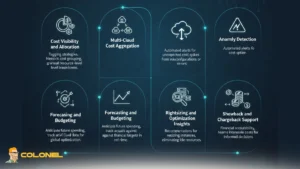
Best-of-Breed-FinOps-Tools zur Optimierung der Cloud-Kosten verfügen über eine Reihe gemeinsamer Kernfunktionen, die Unternehmen beim Übergang von Transparenz zu Maßnahmen unterstützen. Ohne diese Fähigkeiten, Die Cloud-Kostenoptimierung ist ein reaktiver und fragmentierter Prozess.
- Kostentransparenz und -zuordnung
Kostenverteilung auf Teams, Projekte, und Umgebungen ist der Ausgangspunkt für die Optimierung der Cloud-Kosten. Ein ausgereiftes FinOps-Tool sollte Strategien zur Kostenallokation ermöglichen, Kostengruppierung, und Zuweisung auf Ressourcenebene, um eine vollständige Transparenz der Cloud-Ausgaben zu gewährleisten. - Multi-Cloud-Kostenaggregation
Unternehmen nutzen in der Regel mehrere Cloud-Plattformen. Ein FinOps-Tool sollte die Aggregation von Kostendaten in AWS ermöglichen, Azurblau, und Google Cloud-Plattformen, um Finanz- und Technikteams die Analyse von Nutzungstrends in allen Clouds und die Optimierung der Ausgaben in allen Clouds zu ermöglichen, nicht isoliert. - Prognose und Budgetierung
Prognosen ermöglichen es Unternehmen, zukünftige Ausgaben auf der Grundlage historischer Daten und zukünftiger Bereitstellungen zu planen. Fortschrittliche FinOps-Tools zur Cloud-Kostenoptimierung sollten es Budgetierungsworkflows ermöglichen, die tatsächliche Nutzung im Vergleich zum Budget in Echtzeit zu verfolgen. - Anomalieerkennung
Durch Fehlkonfigurationen können unerwartete Kostenspitzen entstehen, Skalierungsfehler, oder aufgegebene Ressourcen. Die automatisierte Anomalieerkennung ermöglicht eine schnellere Reaktion auf Vorfälle und verhindert, dass kleine Ineffizienzen zu erheblichen Budgetüberschreitungen führen. - Einblicke in Größenanpassung und Optimierung
Empfehlungen zur Größenänderung von Instanzen, Beseitigung ungenutzter Ressourcen, und die Optimierung der Speicherebenen sind für eine kontinuierliche Cloud-Kostenoptimierung unerlässlich. Diese Erkenntnisse müssen kontextbezogen sein und auf die Anforderungen an die Workload-Leistung abgestimmt sein. - Showback- und Chargeback-Unterstützung
Die finanzielle Verantwortung verbessert sich, wenn Teams die Auswirkungen ihrer Cloud-Nutzung verstehen. Showback- und Chargeback-Mechanismen stellen sicher, dass Abteilungen Kosten internalisieren und fundierte Architekturentscheidungen treffen.
Kategorien der FinOps-Tools auf dem Markt
Die FinOps-Tools zur Cloud-Kostenoptimierung können basierend auf mehreren strategischen Kategorien unterteilt werden:
- Tiefe der Analyse
- Automatisierungsmöglichkeiten
- Integrationsumfang.
Das Verständnis der folgenden Kategorien hilft Unternehmen bei der Auswahl einer Plattform, die ihrem betrieblichen Reifegrad entspricht.
- Die erste Kategorie umfasst native Tools, die von Cloud-Anbietern bereitgestellt werden. Diese Tools bieten direkte Integration und grundlegende Transparenz, es mangelt ihnen jedoch möglicherweise an erweiterten cloudübergreifenden Analysen.
- Die zweite Kategorie besteht aus unabhängigen FinOps-Plattformen, die tiefere Einblicke liefern sollen, verbesserte Berichterstattung, und Multi-Cloud-Intelligenz.
- Eine dritte Kategorie integriert die Kostenoptimierung mit Observability-Plattformen, Verlinkung Leistungsüberwachung mit Ausgabenanalysen.
- Endlich, Automatisierungsgesteuerte Optimierungsplattformen konzentrieren sich stark auf autonome Ressourcenanpassungen und proaktive Kostenkontrolle.
Jede Kategorie befasst sich aus einem anderen Blickwinkel mit der Cloud-Kostenoptimierung, und die richtige Wahl hängt von der Organisationsgröße ab, Governance-Komplexität, und technische Architektur.
Günstiger VPS-Server
Ab 2,99 $/Monat
Native Cloud-Kostenmanagement-Tools
Native Cloud-Kostenmanagement-Tools sind direkt in die Ökosysteme der Cloud-Anbieter integriert. Sie bieten grundlegende Kostenverfolgungsfunktionen und nahtlosen Zugriff auf Abrechnungsdaten, Dies macht sie zu einem natürlichen Ausgangspunkt für Unternehmen, die ihre FinOps-Reise beginnen.
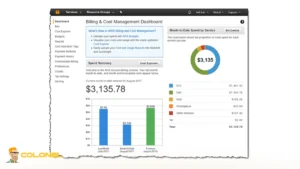
AWS Cost Explorer
AWS Cost Explorer ermöglicht Benutzern die Visualisierung, Filter, und prognostizieren Sie AWS-Ausgaben über anpassbare Zeiträume. Es unterstützt detaillierte Aufschlüsselungen nach Diensten, Konto, und markieren, Dies hilft Teams, Nutzungsmuster auf granularer Ebene zu verstehen.
Gleichzeitig bietet es starke grundlegende Transparenz- und Prognosefunktionen, Die Optimierungserkenntnisse bleiben weitgehend beratend. Organisationen, die in Multi-Cloud-Umgebungen arbeiten, benötigen häufig zusätzliche Tools, um anbieterübergreifende Daten für eine umfassende Cloud-Kostenoptimierung zu konsolidieren.
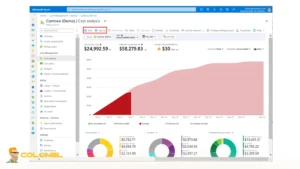
Azure-Kostenmanagement
Azure Cost Management bietet Budgetierung, Kostenanalyse, und Berichtsfunktionen innerhalb des Microsoft-Ökosystems. Es lässt sich nativ in Azure-Abonnements und Ressourcengruppen integrieren, Vereinfachte Kostenzuweisung für Unternehmen, die stark in die Azure-Infrastruktur investieren.
Die Plattform bietet Budgetwarnungen und Signale für Kostenanomalien, Unterstützung der proaktiven Cloud-Kostenoptimierung. Jedoch, Erweiterte Automatisierungs- und Cloud-übergreifende Vergleichsfunktionen erfordern möglicherweise FinOps-Tools von Drittanbietern für eine umfassendere Sichtbarkeit.
Windows VPS-Hosting
Remote Access & Full Admin
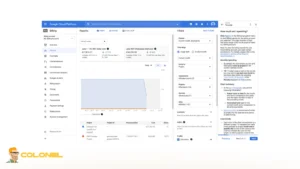
Google Cloud-Abrechnung
Google Cloud Billing umfasst Kostenberichte, Exportmöglichkeiten, und Budgetwarnungen, die es Teams ermöglichen, Ausgaben in GCP-Umgebungen zu verfolgen und zu verwalten. Die Integration mit BigQuery ermöglicht erweiterte Kostenanalysen für Unternehmen mit starken Data-Engineering-Fähigkeiten.
Obwohl es solide Berichtsfunktionen bietet, Unternehmen, die erweiterte Optimierungsempfehlungen oder einheitliche Multi-Cloud-Dashboards suchen, erweitern diese häufig um dedizierte FinOps-Tools zur Cloud-Kostenoptimierung.
Unabhängige FinOps-Plattformen für erweiterte Optimierung
Unabhängige FinOps-Plattformen gehen über die grundlegende Abrechnungsanalyse hinaus und bieten tiefere Einblicke, cloudübergreifende Sichtbarkeit, und kollaborative Arbeitsabläufe. Diese Plattformen sind speziell für die kontinuierliche Optimierung der Cloud-Kosten im großen Maßstab konzipiert.
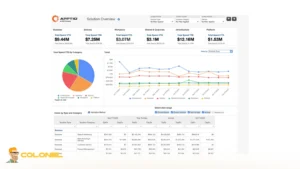
Apptio Cloudability
Apptio Cloudability bietet umfassende Multi-Cloud-Kostentransparenz, Budgetkontrollen, und detaillierte Zuordnungsfunktionen. Es eignet sich besonders für große Unternehmen, die eine strukturierte Governance und finanzielle Verantwortung über komplexe Organisationshierarchien hinweg benötigen.
Die Plattform unterstützt erweitertes Reporting und die Integration in Unternehmensfinanzsysteme, Positionierung als ausgereifte Lösung für strukturierte FinOps-Praktiken.
Vorteil
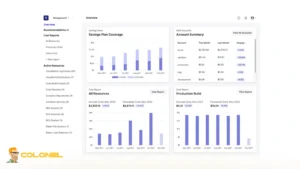
Vantage konzentriert sich auf eine klare Kostenzuordnung, einheitliche Multi-Cloud-Dashboards, und ingenieurfreundliches Reporting. Es vereinfacht komplexe Abrechnungsdaten in zugängliche Erkenntnisse, die eine fortlaufende Optimierung der Cloud-Kosten über alle Teams hinweg unterstützen.
Sein Design legt Wert auf Transparenz und Echtzeitanalysen, die Unternehmen dabei helfen, von der reaktiven Überwachung zur proaktiven Kostenkontrolle überzugehen.
CloudHealth
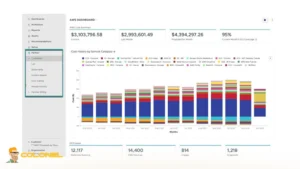
CloudHealth von VMware kombiniert Kostenmanagement mit Governance- und Compliance-Funktionen. Es bietet richtliniengesteuerte Automatisierungs- und Berichtstools, die die Transparenz im gesamten verteilten Bereich verbessern Cloud-Infrastrukturen.
Organisationen, die neben der Kostenoptimierung auch eine strukturierte Cloud-Governance anstreben, nutzen häufig CloudHealth, um die Betriebsleistung mit der Finanzaufsicht in Einklang zu bringen.
Geschirr
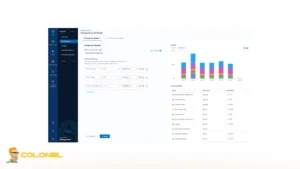
Harness integriert die Cloud-Kostenoptimierung in umfassendere DevOps-Workflows. Bereitstellungsdaten mit Kosteneinblicken verbinden, Es ermöglicht Ingenieurteams, die finanziellen Auswirkungen von CI/CD-Entscheidungen zu bewerten.
Diese Integration stärkt die Verantwortlichkeit und unterstützt die kontinuierliche Optimierung in schnelllebigen Entwicklungsumgebungen.
Spot von NetApp
Spot by NetApp legt Wert auf automatisierungsgesteuerte Cloud-Kostenoptimierung durch intelligentes Instanzmanagement und dynamische Skalierungsstrategien. Seine Optimierungs-Engine analysiert Arbeitslastmuster und wählt automatisch kosteneffiziente Infrastrukturkonfigurationen aus.
Für Unternehmen, die Automatisierung und Einsparungen durch Rechenoptimierung priorisieren, Spot bietet einen leistungsorientierten Ansatz zur Kostenreduzierung.
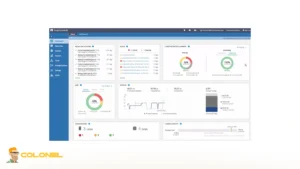
FinOps-Tools-Vergleich zur Cloud-Kostenoptimierung
Die Auswahl der richtigen FinOps-Tools zur Cloud-Kostenoptimierung erfordert einen strukturierten Leistungsvergleich, Automatisierungstiefe, und Multi-Cloud-Unterstützung. Während viele Plattformen Kostentransparenz bieten, Weniger bieten erweiterte Optimierungsinformationen und Governance-Kontrollen. Eine parallele Bewertung hilft Unternehmen, Werkzeugentscheidungen mit ihrer betrieblichen Reife und ihren finanziellen Zielen in Einklang zu bringen.
| Werkzeug | Multi-Cloud-Unterstützung | Prognose | Automatisierung | Am besten für |
| AWS Cost Explorer | Nur AWS | Ja | Beschränkt | AWS-zentrierte Teams |
| Azure-Kostenmanagement | Azure-fokussiert | Ja | Beschränkt | Benutzer des Microsoft-Ökosystems |
| Google Cloud-Abrechnung | Nur GCP | Ja | Beschränkt | Datengesteuerte GCP-Benutzer |
| Apptio Cloudability | Ja | Fortschrittlich | Mäßig | Unternehmensführung |
| Vorteil | Ja | Stark | Mäßig | Von der Technik geleitetes FinOps |
| CloudHealth | Ja | Fortschrittlich | Richtlinienbasiert | Regierungsführung + Einhaltung |
| Geschirr | Ja | Stark | Integriert mit CI/CD | DevOps-Teams |
| Spot von NetApp | Ja | Vorausschauend | Hohe Automatisierung | Schwerpunkt Computeroptimierung |
Dieser Vergleich verdeutlicht ein wichtiges Muster: Native Tools sorgen für wesentliche Transparenz, während unabhängige FinOps-Plattformen die Cloud-Kostenoptimierung in die Governance ausweiten, Automatisierung, und funktionsübergreifende Verantwortung.
So wählen Sie die richtigen FinOps-Tools zur Cloud-Kostenoptimierung aus?
Die Wahl von FinOps-Tools zur Cloud-Kostenoptimierung hängt von der Unternehmensgröße ab, architektonische Komplexität, und Reife der Zusammenarbeit zwischen Finanz- und Technikteams. Ein kleines Startup mit einem einzigen Cloud-Anbieter hat andere Anforderungen als ein Multi-Cloud-Unternehmen, das über Regionen und Geschäftsbereiche hinweg operiert.
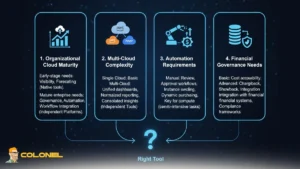
Der Auswahlprozess sollte die folgenden Dimensionen berücksichtigen:
Organisatorische Cloud-Reife
Unternehmen in der Anfangsphase benötigen oft starke Transparenz und Prognosefunktionen, bevor sie in automatisierungsintensive Plattformen investieren. In der Anfangsphase der Cloud-Kostenoptimierung können native Tools ausreichend sein, insbesondere wenn die Infrastruktur zentralisiert bleibt.
Im Gegensatz, Unternehmen mit verteilten Teams und hybriden Architekturen profitieren von Plattformen, die die Governance durchsetzen, Automatisieren Sie die Größenanpassung, und integrieren Sie Kosteninformationen in technische Arbeitsabläufe.
Multi-Cloud-Komplexität
Wenn sich die Arbeitslasten über AWS erstrecken, Azurblau, und Google Cloud, Einheitliche Dashboards und standardisierte Berichte werden unerlässlich. Ohne konsolidierte Erkenntnisse, Entscheidungen zur Kostenoptimierung bleiben fragmentiert und in allen Umgebungen inkonsistent.
Unabhängige FinOps-Tools zur Cloud-Kostenoptimierung bieten zentralisierte Transparenz, Dadurch können Führungsteams die gesamten Cloud-Ausgaben bewerten und nicht nur anbieterspezifische Momentaufnahmen.
Automatisierungsanforderungen
Einige Organisationen legen Wert auf manuelle Überprüfung und strukturierte Genehmigungsabläufe. Andere erfordern eine automatisierte Skalierung, Instanzwechsel, und dynamische Kaufentscheidungen zur Wahrung der Kosteneffizienz.
Automatisierungsgesteuerte Plattformen sind besonders effektiv für rechenintensive Arbeitslasten und schnell skalierende Anwendungen, wo die Echtzeitoptimierung erhebliche Auswirkungen auf die Gesamtergebnisse der Cloud-Kostenoptimierung hat.
Anforderungen an die Finanzverwaltung
Unternehmen mit strengen internen Rückbuchungsrichtlinien benötigen fortschrittliche Zuordnungsmodelle und Berichtsebenen. FinOps-Tools, die Showback und Kostenverantwortung unterstützen, helfen internen Stakeholdern, Ausgabenmuster zu verstehen und die architektonische Entscheidungsfindung zu verbessern.
Ein Tool, das sich in Finanzsysteme integrieren lässt und Compliance-Frameworks unterstützt, stärkt die langfristige Governance-Reife.
Umsetzungsstrategie zur nachhaltigen Cloud-Kostenoptimierung
Der Einsatz von FinOps-Tools zur Cloud-Kostenoptimierung ist nicht nur eine technische Integrationsaufgabe. Nachhaltige Ergebnisse erfordern strukturierte Arbeitsabläufe, definiertes Eigentum, und kontinuierliche Iteration. Ohne betriebliche Ausrichtung, Selbst die fortschrittlichste Plattform bietet nur begrenzten Nutzen.
Schaffen Sie eine klare Kostenverantwortung
Die Cloud-Kostenoptimierung verbessert sich, wenn Teams die Ressourceneigentümerschaft verstehen. Durch die Definition von Tagging-Standards und die Zuweisung von Ausgaben an verantwortliche Einheiten werden Unklarheiten vermieden und präzisere Optimierungsentscheidungen unterstützt.
Eine klare Verantwortung stärkt auch die Zusammenarbeit zwischen Technik- und Finanzteams, Sicherstellen, dass Kostenkennzahlen die technische Planung beeinflussen.
Integrieren Sie Kosteneinblicke in technische Arbeitsabläufe
Optimierungsempfehlungen müssen Entscheidungsträger während der Entwicklungs- und Bereitstellungszyklen erreichen. Integration von FinOps-Tools zur Cloud-Kostenoptimierung in CI/CD-Pipelines oder Observability-Plattformen ermöglichen es Ingenieuren, die Kostenauswirkungen zu bewerten, bevor sie die Arbeitslast skalieren.
Wenn Kostendaten Teil der täglichen Betriebs-Dashboards werden, Die Optimierung verlagert sich von der reaktiven Korrektur zur proaktiven Planung.
Führen Sie kontinuierliche Optimierungszyklen ein
Die Optimierung der Cloud-Kosten ist ein fortlaufender Prozess und keine vierteljährliche Überprüfung. Teams sollten wiederkehrende Überprüfungszyklen einrichten, in denen Anomalieberichte bewertet werden, Prognosegenauigkeit, und Empfehlungen zur Größenanpassung.
Eine kontinuierliche Evaluierung verhindert eine allmähliche Kostenverschiebung und stellt sicher, dass sich die Infrastruktur parallel zum Produktwachstum effizient weiterentwickelt.
Häufige Fehler bei der Cloud-Kostenoptimierung
Viele Unternehmen investieren in FinOps-Tools zur Optimierung der Cloud-Kosten, können jedoch aufgrund struktureller Fehltritte nicht den vollen Nutzen daraus ziehen. Das Erkennen dieser Herausforderungen stärkt die Implementierungsergebnisse und beschleunigt die Optimierungsreife.
- Ein häufiger Fehler besteht darin, sich beim Betrieb in Multi-Cloud-Umgebungen ausschließlich auf native Abrechnungs-Dashboards zu verlassen. Dieser fragmentierte Ansatz schränkt die ganzheitliche Sichtbarkeit ein und verringert die Wirksamkeit von Strategien zur Cloud-Kostenoptimierung.
- Ein weiteres häufiges Problem entsteht, wenn Kostendaten auf die Finanzteams beschränkt bleiben. Ohne Ingenieursengagement, Optimierungserkenntnisse führen selten zu architektonischen Verbesserungen.
- Endlich, Unternehmen streben manchmal aggressive Kostensenkungen an, ohne die Auswirkungen auf die Leistung zu bewerten. Nachhaltige Cloud-Kostenoptimierung bringt finanzielle Disziplin mit Workload-Zuverlässigkeit und Benutzererfahrung in Einklang.

Abschluss
FinOps-Tools zur Cloud-Kostenoptimierung ermöglichen es Unternehmen, Cloud-Ausgaben von einer reaktiven Ausgabe in eine kontrollierte umzuwandeln, strategische Investition. Durch die Kombination von Sichtbarkeit, Regierungsführung, Prognose, und Automatisierung, Diese Plattformen bringen finanzielle Ziele mit der technischen Ausführung in Einklang.
Die richtige Lösung hängt vom Reifegrad der Cloud ab, Automatisierungsanforderungen, und organisatorische Komplexität. Native Tools sorgen für grundlegende Transparenz, während unabhängige Plattformen ihre Fähigkeiten auf Cross-Cloud-Governance und proaktive Optimierung erweitern.
Eine strukturierte Umsetzungsstrategie, klare Eigentumsverhältnisse, Und kontinuierliche Überprüfungszyklen stellen sicher, dass die Cloud-Kostenoptimierung in den täglichen Betrieb eingebettet bleibt und nicht isoliert in der Finanzberichterstattung bleibt.
Häufig gestellte Fragen
Was sind FinOps-Tools zur Cloud-Kostenoptimierung??
FinOps-Tools sind Plattformen, die Transparenz bieten, Prognose, Zuweisung, und Optimierungserkenntnisse, um Unternehmen bei der kontinuierlichen Verwaltung und Reduzierung der Cloud-Ausgaben bei einem oder mehreren Anbietern zu unterstützen.
Reichen native Cloud-Kostentools für die Cloud-Kostenoptimierung aus??
Native Tools können die Optimierung der Cloud-Kosten in einem frühen Stadium unterstützen, Doch Multi-Cloud-Umgebungen und komplexe Governance-Anforderungen erfordern oft unabhängige FinOps-Plattformen für eine umfassendere Sichtbarkeit und Automatisierung.
Wie verbessern FinOps-Tools die Prognosegenauigkeit??
FinOps-Tools zur Cloud-Kostenoptimierung analysieren historische Nutzungstrends, Wachstumsprognosen berücksichtigen, und wenden Sie Vorhersagemodelle an, um zukünftige Cloud-Ausgaben zuverlässiger abzuschätzen als statische Budgetierungsmethoden.
Automatisieren FinOps-Tools die Kostenoptimierung??
Einige Plattformen bieten eine automatische Größenanpassung an, Skalierungsanpassungen, und Instanzverwaltung, während andere sich hauptsächlich auf Berichterstattung und Governance konzentrieren. Der Grad der Automatisierung variiert je nach Anbieter und organisatorischen Anforderungen.