

Virtualization plays a critical role in modern IT infrastructures, making security a top concern for organizations running multiple workloads on shared hardware. Among available hypervisors, KVM Virtualization is often highlighted for its strong isolation mechanisms and close integration with the Linux kernel. By leveraging proven kernel-level security features, it helps reduce attack surfaces while maintaining high performance and stability. Understanding how these built-in protections work is essential for evaluating whether it meets the security demands of enterprise and cloud environments.
Key Security Features of KVM Virtualization
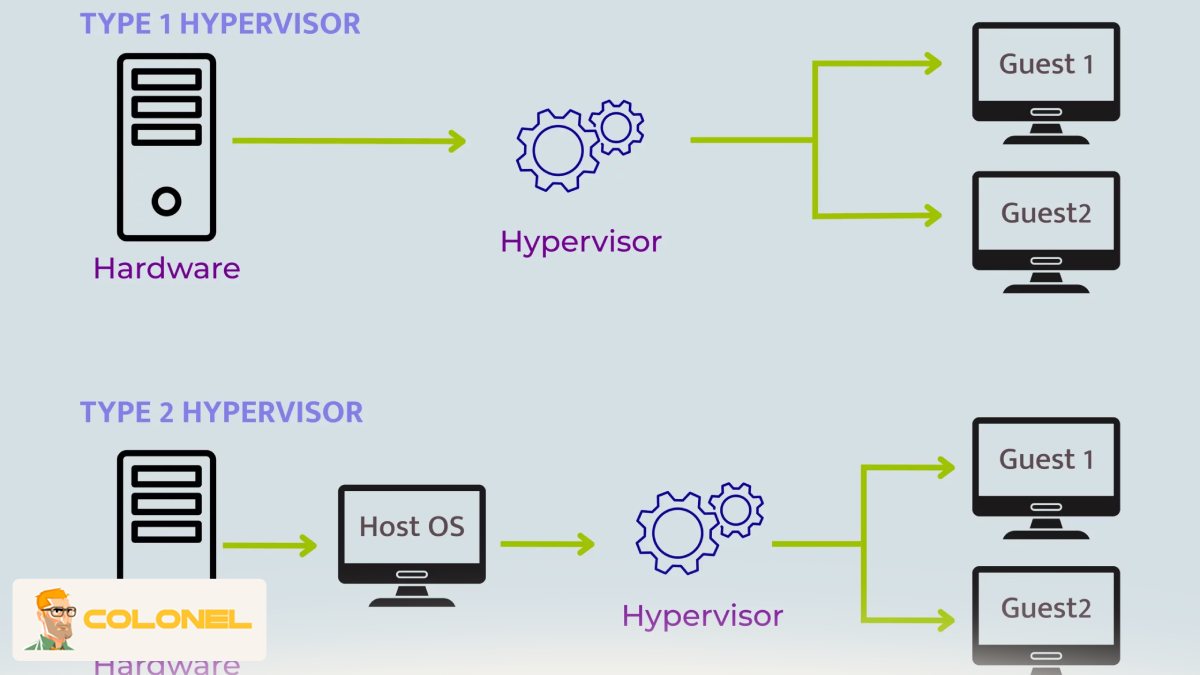
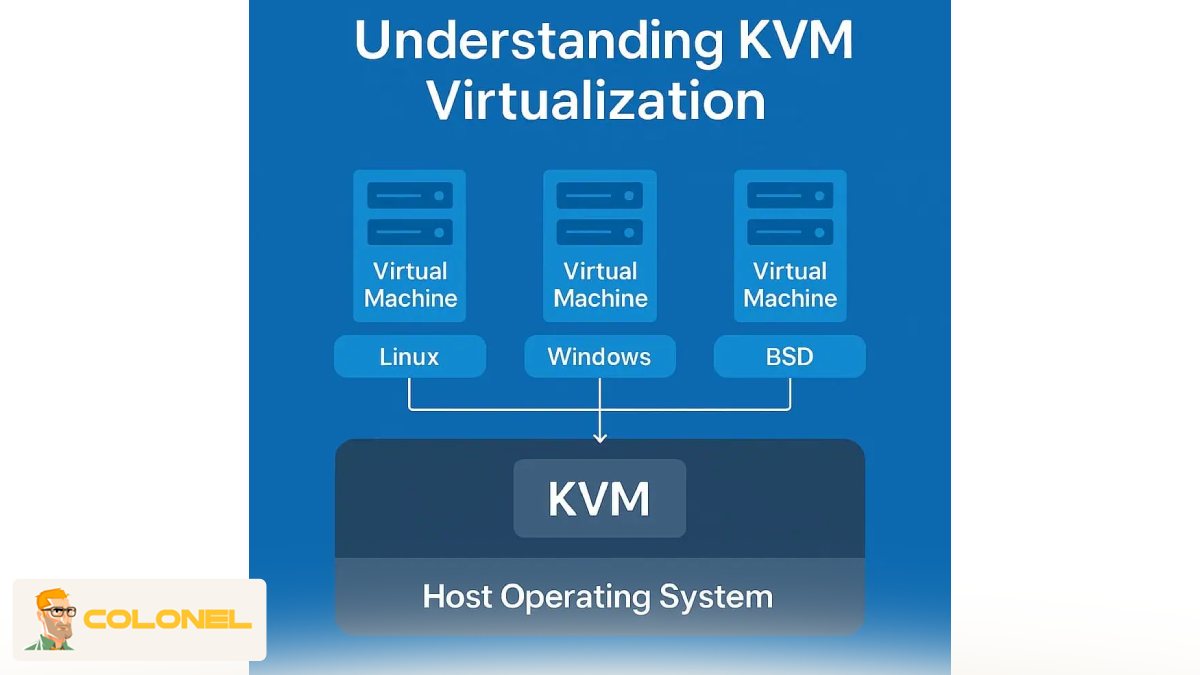
One of the most important reasons why companies opt to use kernel-based hypervisors for their current IT infrastructure is security. KVM Virtualization is a kernel-based hypervisor, which means that it is built right into the Linux kernel. This is a major advantage of KVM Virtualization compared to other hypervisors, which operate in a standalone environment. This means that KVM Virtualization has the advantage of benefiting from decades of security development, Testen, and auditing. Instead of developing its own security features, KVM Virtualization uses the security features of the Linux kernel, which include process isolation, memory management, and privilege separation.
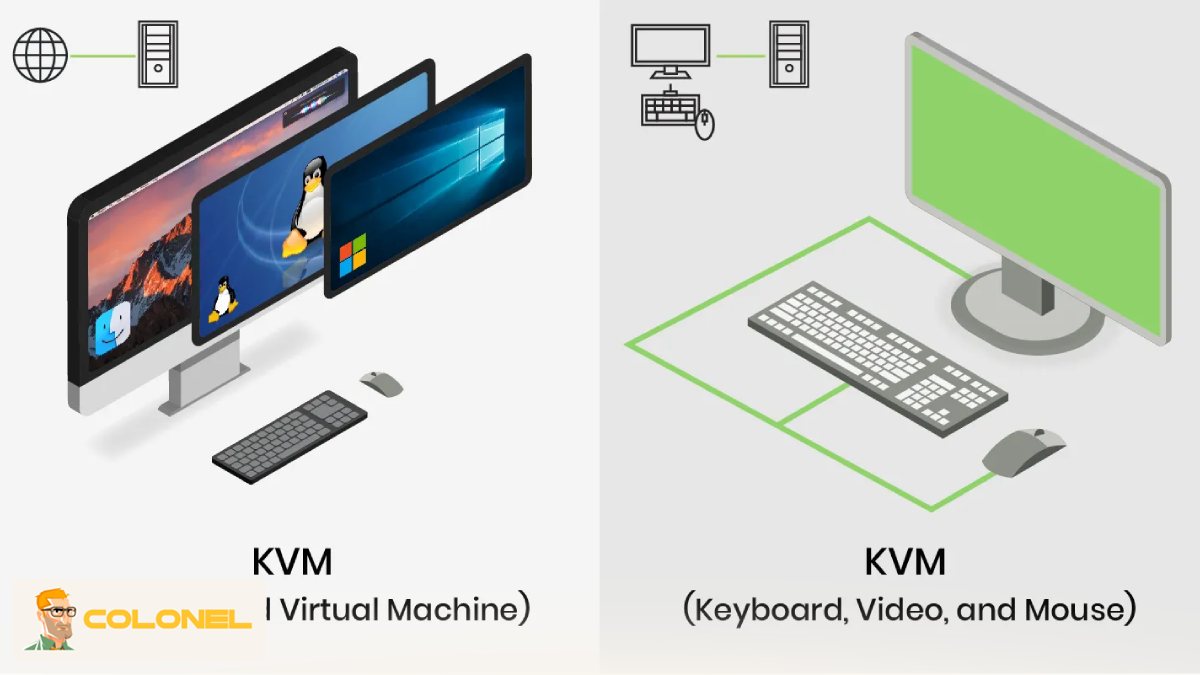
Another important security feature of KVM Virtualization is that virtual machines are treated as regular Linux processes. This means that each virtual machine has its own address space, which is isolated from the others. This is a major advantage of KVM Virtualization, as a compromised virtual machine is not able to affect the other virtual machines.
How KVM Virtualization Ensures Strong Isolation Between Virtual Machines
The backbone of a secure virtualization solution is isolation, and KVM Virtualization is no exception, having excelled in this area through the use of both software and hardware. Hardware-wise, CPU virtualization extensions such as Intel VT-x and AMD-V ensure strong isolation between the guest operating systems and the host. These extensions ensure that privileged instructions executed within a virtual machine are safely executed by the hypervisor without compromising the host operating system.
On the software side, Linux’s control groups and namespaces ensure that a virtual machine does not consume an inordinate amount of CPU time, Erinnerung, and I/O bandwidth, thus preventing a denial of service. Memory is isolated using shadow page tables or extended page tables, thus allowing a virtual machine access only to memory that is assigned to it. This strong layer of isolation makes it extremely difficult for a user to attempt a cross-VM attack.

WordPress-Webhosting
Ab 3,99 $/Monat
KVM vs Other Hypervisors: Which Is More Secure?
When comparing hypervisors, security is rarely determined by a single feature. KVM Virtualization is often evaluated alongside alternatives such as VMware ESXi, Microsoft Hyper-V, und Xen. Each platform has strengths, but KVM’s open-source nature and Linux kernel integration offer distinct advantages. Security vulnerabilities are discovered and patched rapidly thanks to a global community of contributors and security researchers.
The following table highlights key security differences among popular hypervisors:
| Hypervisor | Security Model | Patch Transparency | Attack Surface |
|---|---|---|---|
| KVM | Linux kernel–based isolation | Fully transparent, community audited | Minimal |
| VMware ESXi | Proprietary microkernel | Vendor-controlled updates | Niedrig |
| Hyper-V | Windows kernel–based | Vendor-controlled updates | Medium |
| Xen | Microkernel with dom0 | Open source, but complex | Medium |
While proprietary solutions may offer strong security assurances, the ability to inspect, audit, and customize security controls makes KVM especially attractive to organizations with strict compliance or customization requirements.
Role of the Linux Kernel in KVM Virtualization Security
Linux Kernel plays a vital role in the security mechanism adopted by KVM Virtualization. Unlike other virtualization tools, KVM is not a separate entity; it is a kernel module. This means that it inherits all the security enhancements made to the Linux Kernel. This includes address space layout randomization, same page merging for the kernel, and memory allocators.
Mandatory access control systems such as SELinux and AppArmor also add to the security mechanism adopted by the KVM Virtualization system. These systems impose strict policies that dictate the way a virtual machine can interact with the host system. This includes file system usage, device usage, and process communication. The fact that this mechanism is implemented at the kernel level means that any attempt by a hacker to subvert the system must target the most protected parts of the system.

Günstiger VPS-Server
Ab 2,99 $/Monat
Common Security Risks in KVM and How to Mitigate Them
No virtualization platform is entirely immune to security risks, and KVM Virtualization is no exception. Misconfiguration remains the most common source of vulnerabilities. Exposed management interfaces, weak authentication, and outdated software versions can all create entry points for attackers. Zusätzlich, shared resources such as networking and storage layers may introduce indirect risks if not properly segmented.
The table below outlines common risks and practical mitigation strategies:
| Risk | Beschreibung | Mitigation Strategy |
|---|---|---|
| VM escape | Guest accessing host resources | Regular updates, hardware extensions |
| Misconfigured networking | Unauthorized traffic access | Network segmentation, Firewalls |
| Weak access control | Privilege abuse | Role-based access, MFA |
| Unpatched host | Known vulnerabilities exploited | Automated patch management |
Addressing these risks requires a combination of technical controls, Überwachung, and disciplined operational practices rather than reliance on default settings alone.
Best Practices to Harden KVM Virtualization Security
To harden the security of KVM Virtualization, it is important to follow the best practices of defense-in-depth security measures from the hardware layer to the management layer of the virtualization stack. It is important to first note that hardening the security of a system is a continuous process and not a one-time configuration.
The best practices for hardening the security of KVM Virtualization include:
Windows VPS-Hosting
Remote Access & Full Admin
- Restricting access to the hypervisor management tools and API using strong authentication and role-based access control
- Applying security patches to the host operating system and virtualization stack as soon as they become available
- Applying mandatory access control to restrict interactions between VMs and host operating system resources
Performance vs. Sicherheit: Are Trade-Offs Involved with KVM Virtualization?
Security improvements often lead to performance-related issues, particularly in dense environments. Jedoch, KVM Virtualization has been developed to address this problem by shifting the burden of security from the CPU to the hardware. This is ensured by CPU virtualization extensions, IOMMU support, and paravirtualized drivers.
In einigen Fällen, the activation of advanced security features such as encrypted memory or I/O isolation might result in minor performance degradation. Nevertheless, this effect is negligible in comparison to the advantages offered by the security features. Modern applications are not affected by performance degradation when the best practices are used.
Is KVM Secure Enough for Enterprise and Cloud Environments?
To address the needs of large enterprises and cloud environments, a virtualization platform must be able to scale while providing the necessary security while complying with various regulatory requirements. KVM Virtualization has already been tested in this arena by being adopted by various large cloud and hosting environments. Its support for various automation tools and orchestration systems enables organizations to enforce security policies across thousands of virtual machines.
In terms of various compliance standards such as ISO 27001, PCI DSS, and SOC 2, a KVM-based virtualization platform can be fully compliant if properly configured. Its support for custom monitoring tools, logging systems, and intrusion detection systems makes it easy to align the security of the virtualization platform with the organization as a whole.
Real-World Use Cases of KVM in High-Security Environments
The real-world security of KVM Virtualization can be best understood through its real-world use cases. KVM Virtualization is used in government agencies, financial organizations, and telecommunication providers. The fact that KVM Virtualization is an open-source product allows these organizations to audit its source code, customize patches, and use hardened kernels to suit their specific security needs.
Some of the common use cases of KVM Virtualization in high-security environments include:
- Isolating payment processing environments from public-facing environments
- Implementing multi-tenant environments with data separation requirements
- Implementing confidential computing environments with hardware-based memory protection
Endgültiges Urteil: How Secure is KVM Virtualization in 2026?
In the future, KVM Virtualization is still one of the most secure and stable options for a hypervisor. The security of KVM is constantly improving with the evolution of the Linux kernel. It also benefits from fast vulnerability fixes and increasing hardware support. Although no system is completely secure, KVM offers a balanced mix of transparency, Leistung, und Sicherheit.
In 2026, for organizations looking for a virtualization solution that meets the current expectations of security, KVM is a great choice for the future. It is a great foundation for a cloud infrastructure, from a small private cloud to large-scale enterprise clouds or public clouds.