

Wenn sich Ihre WordPress-Site trotz gutem Design und Inhalt langsam anfühlt, Das eigentliche Problem könnte Ihr Hosting-Speicher sein. Herkömmliches SSD-Hosting kann mit hohem Datenverkehr zu kämpfen haben, schwere Plugins, und datenbankintensive Aufgaben. NVMe-Hosting behebt dieses Problem, indem es einen deutlich schnelleren Datenzugriff ermöglicht, geringere Latenz, und eine reibungslosere Leistung für WordPress-Sites. The result is quicker load times, bessere Benutzererfahrung, und verbesserte SEO, ohne Ihre Website selbst zu verändern.
Warum Ihre WordPress-Site beim herkömmlichen Hosting langsam ist
Viele WordPress-Websites leiden unter Leistungsproblemen, selbst wenn sie moderne Themes und optimierte Plugins verwenden. Die Hauptursache ist häufig die traditionelle Hosting-Infrastruktur, die auf veraltetem Speicher und begrenzter E/A-Kapazität basiert. Diese Umgebungen wurden für einfachere Websites entwickelt und sind nicht mehr für dynamische Websites geeignet, Datenbankgesteuerte WordPress-Sites.
Shared resources, langsamer Festplattenzugriff, und hohe Latenzzeiten führen zu Engpässen, wenn mehrere Anfragen gleichzeitig den Server erreichen. WordPress liest und schreibt ständig Daten und lädt Beiträge, Abfragen von Datenbanken, Umgang mit Benutzersitzungen – und langsamer Speicher wirkt sich direkt darauf aus, wie schnell Seiten geladen werden.
Eine vollständige Anleitung zur Optimierung der Geschwindigkeit von WordPress-Websites finden Sie hier, sehen A Complete Guide to WordPress Website Speed Optimization for Better SEO.
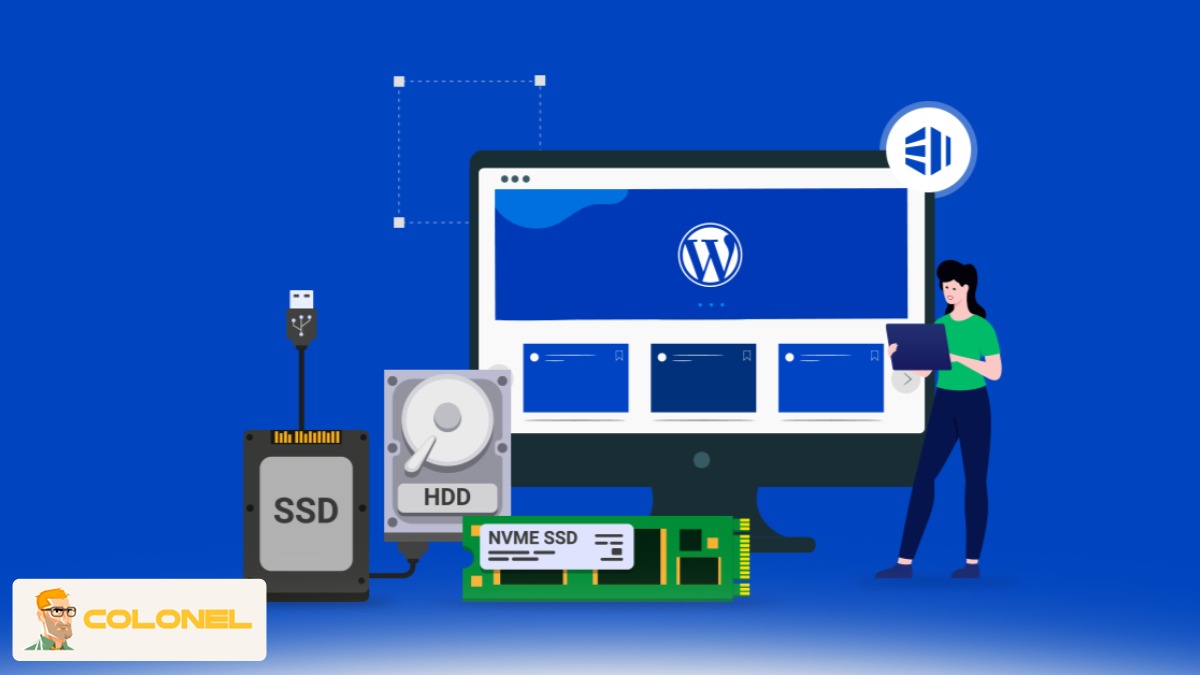
Häufige Hosting-Einschränkungen, die sich auf die WordPress-Geschwindigkeit auswirken
Herkömmlichen Hosting-Umgebungen fehlen oft die Ressourcen und die Speichergeschwindigkeit, die für moderne WordPress-Sites erforderlich sind. Begrenzte Festplatten-E/A, höhere Latenz, und gemeinsam genutzte Serverressourcen führen zu Leistungsengpässen, die das Laden der Seite verlangsamen, Datenbankabfragen, und allgemeine Reaktionsfähigkeit der Website.
WordPress-Webhosting
Ab 3,99 $/Monat
- Eingeschränkte Ein-/Ausgabevorgänge auf der Festplatte
- Hohe Latenz zwischen CPU und Speicher
- Ressourcenkonflikt in Shared-Hosting-Umgebungen
Wenn der Speicher mit den WordPress-Anfragen nicht Schritt halten kann, Verzögerungen häufen sich, Dies führt zu einer langsamen Seitenwiedergabe, Verzögerung im Admin-Panel, und schlechte Benutzererfahrung. Aus diesem Grund blicken viele Websitebesitzer irgendwann über traditionelle Hosting-Modelle hinaus.
Was NVMe-Hosting ist und wie es funktioniert
NVMe-Hosting basiert auf der Non-Volatile Memory Express-Technologie, ein modernes Speicherprotokoll, das speziell für die Hochgeschwindigkeits-Datenübertragung entwickelt wurde. Im Gegensatz zu älteren Speicherschnittstellen, NVMe kommuniziert über PCIe-Lanes direkt mit der CPU, Eliminierung unnötiger Schichten, die den Datenzugriff verlangsamen.
Diese Architektur ermöglicht es Servern, Tausende paralleler Anfragen effizient zu verarbeiten. Für WordPress, Dies bedeutet schnellere Datenbankabfragen, schnelleres Laden von Dateien, und verkürzte Reaktionszeit bei Verkehrsspitzen.
Wie sich die NVMe-Technologie auf technischer Ebene unterscheidet
Die NVMe-Technologie nutzt eine direkte PCIe-Verbindung zur Kommunikation mit der CPU, Entfernen veralteter Speicherschichten, die die Datenübertragung verlangsamen. Dies führt zu einer deutlich geringeren Latenz, höherer Durchsatz, und die Fähigkeit, viele parallele Anforderungen im Vergleich zu herkömmlichen Speicherprotokollen effizient zu verarbeiten.
- Direkte CPU-zu-Speicher-Kommunikation
- Deutlich geringere Befehlslatenz
- Unterstützung für massive parallele Warteschlangen
Mit NVMe-Hosting, WordPress wartet nicht mehr darauf, dass Speichervorgänge einzeln abgeschlossen werden. Stattdessen, Aufgaben werden gleichzeitig bearbeitet, Verbesserung der Konsistenz und Stabilität auch bei Spitzenlast.

Günstiger VPS-Server
Ab 2,99 $/Monat
NVMe vs. SSD: Echte Geschwindigkeitsunterschiede für WordPress
Obwohl SSDs einst eine große Verbesserung gegenüber HDDs darstellten, Sie werden jetzt durch ältere Kommunikationsprotokolle wie SATA eingeschränkt. NVMe beseitigt diese Engpässe vollständig.
| Besonderheit | SSD-Hosting | NVMe Hosting |
|---|---|---|
| Interface | SATA | PCIe |
| Latency | Mäßig | Extrem niedrig |
| Parallele Anfragen | Beschränkt | Massiv |
| Geschwindigkeit der WordPress-Datenbank | Durchschnitt | Hoch |
Der reale Unterschied wird in WordPress-Umgebungen mit vielen Plugins deutlich, häufige Datenbankaufrufe, and dynamic content. NVMe-Hosting sorgt für eine schnellere Backend-Leistung und ein spürbar reibungsloseres Front-End-Laden.
Auswirkungen auf die Leistung realer WordPress-Aufgaben
Durch die schnellere Speicherung werden alltägliche WordPress-Vorgänge wie das Laden des Admin-Dashboards direkt verbessert, Ausführen von Datenbankabfragen, und Verarbeitung dynamischer Inhalte. Mit reduzierter Latenz, Aufgaben fühlen sich reaktionsschneller an und bleiben auch bei höherem Datenverkehr oder Plugin-lastigen Arbeitslasten stabil.
- Schnellere Reaktion des Admin-Dashboards
- Schnelleres Laden von WooCommerce-Produkten
- Reduzierte Verzögerung beim Suchen und Filtern

Wie NVMe-Hosting die Ladezeit von WordPress verbessert
Die Ladezeit einer Seite wird davon beeinflusst, wie schnell der Server Daten abrufen und bereitstellen kann. Die Speichergeschwindigkeit wirkt sich direkt auf die Zeit bis zum ersten Byte aus (TTFB), Dies ist eine wichtige Leistungsmetrik für WordPress-Sites.
Durch Minimierung der Latenz und Beschleunigung des Dateizugriffs, NVMe-Hosting verkürzt die Antwortzeit des Servers erheblich. Dies führt zu einer schnelleren HTML-Generierung und einer schnelleren Bereitstellung von Assets.
Windows VPS-Hosting
Remote Access & Full Admin
Wichtige Leistungsbereiche verbessert
Eine verbesserte Speichergeschwindigkeit verbessert kritische Backend-Prozesse in WordPress, einschließlich Datenbankabfragen, PHP-Ausführung, und Dateizugriff. Diese Verbesserungen verkürzen die Reaktionszeit des Servers und tragen dazu bei, dass Seiten für Benutzer schneller und konsistenter geladen werden.
- Ausführung von Datenbankabfragen
- Verarbeitung von PHP-Skripten
- Geschwindigkeit der Cache-Regeneration
Auch WordPress-Caching-Systeme profitieren, da zwischengespeicherte Dateien fast sofort gelesen werden. Infolge, Seiten werden auch für nicht zwischengespeicherte Besucher schneller geladen, Verbesserung der Gesamtzuverlässigkeit.
Der Einfluss von NVMe-Hosting auf SEO und Core Web Vitals
Suchmaschinen priorisieren Websites, die schnelle und stabile Benutzererfahrungen bieten. Die Core Web Vitals-Metriken von Google messen die Ladegeschwindigkeit direkt, responsiveness, und visuelle Stabilität.
NVMe Hosting trägt zur Verbesserung dieser Kennzahlen bei, indem es Backend-Verzögerungen reduziert, die sich auf Largest Contentful Paint auswirken (LCP) und erste Eingabeverzögerung (FID). Durch schnellere Serverantworten können Browser Seiten effizienter rendern.
| Core Web Vital | Auswirkung einer schnelleren Speicherung |
|---|---|
| LCP | Schnelleres Rendern von Inhalten |
| FID | Reduzierte Interaktionsverzögerung |
| INP | Reibungslosere Benutzeraktionen |
Jenseits von Rankings, Eine verbesserte Geschwindigkeit senkt die Absprungraten und erhöht das Engagement – entscheidende Faktoren für den SEO-Erfolg.
Wann sollten Sie zum NVMe-WordPress-Hosting wechseln??
Nicht jede Site benötigt ein sofortiges Upgrade, Aber bestimmte Anzeichen deuten darauf hin, dass es Zeit ist, umzuziehen. Wenn Optimierungsbemühungen keine spürbaren Ergebnisse mehr bringen, Speicherbeschränkungen sind oft das versteckte Problem.
Anzeichen dafür, dass Ihre Website dem traditionellen Hosting entwachsen ist
Wenn Ihre WordPress-Site langsame Seitenladevorgänge aufweist, verzögerte Admin-Panels, oder Leistungseinbußen bei Verkehrsspitzen trotz Optimierung, Dies sind klare Anzeichen dafür, dass traditionelles Hosting seinen Anforderungen nicht mehr effizient gerecht werden kann.
- Hohe TTFB trotz Caching
- Langsames Admin-Dashboard
- Bei Verkehrsspitzen sinkt die Leistung
Der Wechsel zum NVMe-Hosting ist besonders für inhaltsintensive Blogs von Vorteil, Unternehmenswebsites, und WooCommerce-Shops, die auf schnelle Datenbankoperationen angewiesen sind.
Ist NVMe-Hosting die Kosten für WordPress-Sites wert??
Die Kosten sind ein häufiges Problem, Aber Leistungsverbesserungen rechtfertigen oft die Investition. Schnellere Websites konvertieren besser, Rang höher, und erfordern weniger Problemumgehungen, um eine akzeptable Geschwindigkeit aufrechtzuerhalten.
Während NVMe-Hosting möglicherweise mehr kostet als Einsteigerpläne, es reduziert den Bedarf an aggressivem Caching, übermäßige Plugins, und ständige Fehlerbehebung bei der Leistung.
Langfristige Wertüberlegungen
Die Investition in schnelleres Hosting wie NVMe bietet langfristige Vorteile, einschließlich besserer SEO-Rankings, höheres Benutzerengagement, und weniger serverbezogene Probleme, Dies macht es zu einer kostengünstigen Wahl für wachsende WordPress-Sites.
- Bessere SEO-Leistung
- Höhere Benutzerbindung
- Reduzierte serverbezogene Probleme
Für wachsende WordPress-Sites, Der Return on Investment ist in der Regel innerhalb kurzer Zeit klar.
So wählen Sie das beste NVMe-Hosting für WordPress aus
Die Wahl des richtigen Anbieters ist ebenso wichtig wie die Wahl der Technologie selbst. Nicht alle als schnell vermarkteten Pläne liefern konsistente Ergebnisse.
Bevor Sie NVMe-Hosting auswählen, Serverressourcen bewerten, uptime guarantees, und WordPress-spezifische Optimierungen.
Schritt 1: Überprüfen Sie die echte NVMe-Implementierung
Stellen Sie sicher, dass der Anbieter NVMe auf allen Speicherebenen verwendet, nicht nur Teilkonfigurationen.
Schritt 2: Bewerten Sie die CPU- und RAM-Zuteilung
Die Speichergeschwindigkeit funktioniert am besten, wenn sie mit ausreichend Rechenleistung gepaart ist.
Schritt 3: Suchen Sie nach WordPress-optimierten Umgebungen
Verwaltete Konfigurationen verbessern die Kompatibilität und Stabilität mit NVMe-Hosting.
Schritt 4: Überprüfen Sie die Skalierbarkeitsoptionen
Das Verkehrswachstum sollte später keine vollständige Migration erfordern.
Schritt 5: Überprüfen Sie die Supportqualität
Expertenunterstützung ist wichtig, wenn eine Leistungsoptimierung erforderlich ist.
Abschließende Zusammenfassung
Eine langsame WordPress-Leistung ist oft auf eine veraltete Hosting-Infrastruktur zurückzuführen und nicht auf Design- oder Inhaltsprobleme. Herkömmliche Speichersysteme haben Schwierigkeiten, moderne WordPress-Workloads effizient zu bewältigen.
Durch die Nutzung von NVMe-Hosting, Websites erhalten einen schnelleren Datenzugriff, geringere Latenz, und verbesserte Stabilität. Dies führt zu schnelleren Ladezeiten, bessere SEO-Kennzahlen, und ein reibungsloseres Benutzererlebnis.
Für Websitebesitzer, die auf Wachstum ausgerichtet sind, Konvertierungen, und langfristige Zuverlässigkeit, NVMe-Hosting ist nicht nur ein technisches Upgrade – es ist ein strategischer Vorteil. Die Wahl des richtigen Anbieters stellt sicher, dass Ihre WordPress-Site ohne unnötige Komplexität in vollem Umfang vom NVMe-Hosting profitieren kann.