
Beim Ausführen einer Hosting-Umgebung, Zu wissen, wie die Berechtigungsstruktur organisiert ist, ist nicht nur hilfreich – es ist aus Sicherheitsgründen und der Gesamteffizienz von entscheidender Bedeutung. In Bezug auf die Frage nach „Was sind die verschiedenen cPanel-Ebenen?,“ Man sollte berücksichtigen, wie das System zwischen den Zugriffsebenen von Administratoren unterscheidet, Wiederverkäufer, und normale Endbenutzer. All dies definiert die Art der Aufgaben, die in einem solchen System erledigt werden können, Unabhängig davon, ob es auf WHM mit vollständigen Serververwaltungsoptionen ausgeführt wird oder auf das cPanel-Konto des Benutzers beschränkt ist.
Was sind die verschiedenen cPanel-Ebenen und Zugriffsebenen??
Bei der Verwaltung von Websites, Server, oder Hosting-Unternehmen, Das Verständnis der verschiedenen cPanel-Ebenen ist für die Aufrechterhaltung der Sicherheit von entscheidender Bedeutung, Effizienz, und Betriebskontrolle. cPanel ist eines der am weitesten verbreiteten Hosting-Kontrollpanels weltweit, Viele Benutzer gehen jedoch fälschlicherweise davon aus, dass alle cPanel-Konten über die gleichen Funktionen verfügen. In Wirklichkeit, cPanel bietet mehrere Zugriffsebenen, jeweils für unterschiedliche Benutzerrollen konzipiert, vom Standard-Websitebesitzer bis zum Serveradministrator.
Die Hierarchie der cPanel-Berechtigungen bestimmt, was Benutzer konfigurieren können, Monitor, und Kontrolle. Ob Sie ein einzelnes Blog verwalten, Betrieb eines Wiederverkäufergeschäfts, oder die Verwaltung dedizierter Server, Die Auswahl der richtigen Zugriffsebene kann sich erheblich auf Ihre Produktivität auswirken, Serversicherheit, und Gesamtleistung des Hostings.
Durch das Verständnis der verschiedenen cPanel-Ebenen können Benutzer kostspielige Fehler vermeiden, Weisen Sie die entsprechenden Berechtigungen zu, und sorgen für eine sichere Serververwaltung.
Die cPanel-Hierarchie verstehen: WHM vs. cPanel vs. Reseller Access
Das cPanel-Ökosystem ist in mehrere Zugriffsebenen gegliedert, wobei jede Ebene eine einzigartige Funktion erfüllt.

WordPress-Webhosting
Ab 3,99 $/Monat
Oben befindet sich der Root-Zugriff, Dies bietet uneingeschränkte Serverkontrolle. Dies ist normalerweise Serveradministratoren oder Hosting-Anbietern vorbehalten.
Unter der Wurzel steht WHM (Webhost-Manager), Dies ermöglicht eine serverweite Kontoverwaltung ohne direkte Betriebssystemsteuerung.
Als nächstes kommt der Reseller-Zugriff, Hier können Benutzer mehrere cPanel-Konten erstellen und verwalten, haben jedoch im Vergleich zu WHM-Administratoren Einschränkungen.
Endlich, Es gibt einen standardmäßigen cPanel-Benutzerzugriff, Dies ist für Websitebesitzer gedacht, die ihre eigenen Domains verwalten müssen, E-Mails, Dateien, und Datenbanken.
Dieses strukturierte System stellt sicher, dass Benutzer nur auf Tools zugreifen, die für ihren Verantwortungsbereich relevant sind. Für alle, die sich fragen: Was sind die verschiedenen cPanel-Ebenen?, Diese Hierarchie ist die Grundlage.
Was ist WHM? (Webhost-Manager) und wer es nutzen sollte?
WHM, oder Web Host Manager, fungiert als Verwaltungsebene über Standard-cPanel-Konten. Es wird häufig verwendet von:

Günstiger VPS-Server
Ab 2,99 $/Monat
- Hosting-Anbieter
- Serveradministratoren
- Agenturen, die mehrere Websites verwalten
- Fortgeschrittene Entwickler
WHM ermöglicht Benutzern das Erstellen, aussetzen, beenden, und überwachen Sie einzelne cPanel-Konten. Es umfasst auch die Verwaltung der Serverressourcen, DNS-Konfiguration, Paketerstellung, und Sicherheitseinstellungen.
Für Unternehmen, die anbieten cPanel-Webhosting, WHM ist oft das Rückgrat der Kontoverwaltung. Es rationalisiert umfangreiche Hosting-Vorgänge und sorgt gleichzeitig für eine klare Trennung zwischen Benutzerkonten.
WHM ist ideal für diejenigen, die umfassende Kontrolle über die Hosting-Infrastruktur benötigen, ohne vollständige Root-Server-Rechte zu benötigen.

Vollständiger Root-Zugriff erklärt: Das höchste Maß an Kontrolle in cPanel
Root-Zugriff ist das ultimative Administratorrecht innerhalb einer cPanel/WHM-Serverumgebung. Es ermöglicht eine vollständige Serveranpassung, einschließlich:
- Installieren von benutzerdefinierter Software
- Systemdateien ändern
- Apache anpassen, PHP, und MySQL-Konfigurationen
- Verwalten von Firewall- und Kernel-Einstellungen
- Vollständige Sicherheitsimplementierung
Root-Benutzer haben uneingeschränkte Kontrolle, was auch eine höhere Verantwortung bedeutet. Eine einzige Fehlkonfiguration kann den Server destabilisieren oder schwerwiegende Sicherheitslücken schaffen.
Windows VPS-Hosting
Fernzugriff und vollständige Verwaltung
Diese Stufe eignet sich am besten für erfahrene Systemadministratoren. Wenn Ihre Hauptfrage lautet: Was sind die verschiedenen cPanel-Ebenen?, Der Root-Zugriff stellt die Spitze der Hierarchie dar.
Sicherheit ist auf dieser Ebene besonders wichtig, insbesondere angesichts von Branchenbedrohungen wie cPanel Authentication Bypass Critical Bug Alert v2, Dies verdeutlicht, wie eine unsachgemäße Sicherheitsüberwachung Server ernsthaften Risiken aussetzen kann.
Reseller-Zugriff in cPanel: Merkmale, Grenzen, und Anwendungsfälle
Reseller-Hosting ist für Benutzer konzipiert, die Hosting-Dienste verkaufen oder mehrere Kunden-Websites ohne vollständige administrative Serverkontrolle verwalten möchten.
Der Reseller-Zugriff umfasst üblicherweise::
- Erstellen von cPanel-Kundenkonten
- Zuweisung von Bandbreite und Speicherplatz
- Hosting-Pakete verwalten
- Branding benutzerdefinierter Hosting-Umgebungen
- Grundlegende Sperrung und Änderungen des Kontos
Jedoch, Wiederverkäufer können tiefe Serverkonfigurationen nicht ändern, Software installieren, oder greifen Sie auf die Einstellungen auf Root-Ebene zu.
Dieses Modell eignet sich gut für:
Webdesign-Agenturen
Agenturen, die Kunden-Websites unter einem Dach hosten, profitieren oft von Reseller-Plänen.
Freiberufliche Entwickler
Entwickler, die mehrere Projekte verwalten, können Kunden effizient trennen.
Kleine Hosting-Unternehmen
Unternehmer können Hosting-Dienste mit Reseller-Privilegien und Tools wie starten WHMCS-Lizenz zur Abrechnungsautomatisierung.
Für viele Unternehmer, die sich mit den verschiedenen cPanel-Stufen befassen, Der Reseller-Zugang bietet die ideale Balance zwischen Flexibilität und Einfachheit.
Standard-cPanel-Benutzerzugriff: Was kann man eigentlich tun??
Der Standard-cPanel-Zugriff ist die gebräuchlichste Ebene und richtet sich an einzelne Website-Besitzer.
Zu den typischen Berechtigungen gehören::
- Dateiverwaltung
- Domain-Einrichtung
- Erstellung eines E-Mail-Kontos
- MySQL-Datenbankverwaltung
- SSL-Installation
- Backup-Generierung
- Sicherheitseinstellungen wie Passwortschutz
Diese Ebene erlaubt keine serverweiten Änderungen oder die Erstellung von Konten für andere Benutzer.
Für Blogger, E-Commerce-Besitzer, und kleine Unternehmen, Der standardmäßige cPanel-Zugriff bietet alles, was für den täglichen Website-Betrieb benötigt wird.
Im Vergleich zu höheren Rollen jedoch begrenzt, Es bleibt äußerst effektiv für Benutzer, die lediglich Website-Verwaltungstools ohne komplexe Serververwaltung benötigen.
Hauptunterschiede zwischen cPanel-Zugriffsebenen (Vergleichsleitfaden)
Die Wahl zwischen Zugriffsebenen kann verwirrend sein, Ein direkter Vergleich hilft also, die Verantwortlichkeiten zu klären.
| Zugriffsebene | Hauptmerkmale | Am besten für | Einschränkungen |
|---|---|---|---|
| Root-Zugriff | Volle Serverkontrolle | Serveradministratoren | Hohes Risiko bei unsachgemäßer Handhabung |
| WHM-Zugriff | Konto-/Serververwaltung | Hosting-Anbieter | Keine Kontrolle auf Betriebssystemebene |
| Reseller-Zugang | Erstellung eines Kundenkontos | Agenturen/Wiederverkäufer | Eingeschränkte Serverberechtigungen |
| Standard-cPanel | Website-Management | Websitebesitzer | Nur Einzelkonto |
Dieser Vergleich zeigt, was die verschiedenen cPanel-Stufen in praktischer Hinsicht sind, Helfen Sie Benutzern dabei, Berechtigungen an betriebliche Anforderungen anzupassen.
Wie sich cPanel-Berechtigungen auf Sicherheit und Leistung auswirken
Zugriffsberechtigungen stehen in direktem Zusammenhang mit der Serversicherheit. Eine übermäßige Zuweisung von Berechtigungen kann unnötige Schwachstellen schaffen, während eine Unterzuweisung die Effizienz verringern kann.
Zu den wichtigsten Sicherheitsprinzipien gehören::
- Beschränken Sie den Root-Zugriff nur auf vertrauenswürdige Administratoren
- Verwenden Sie nach Möglichkeit Reseller-Berechtigungen anstelle von Root-Berechtigungen
- Überprüfen Sie regelmäßig die Kontorollen
- Aktivieren Sie die Zwei-Faktor-Authentifizierung
- Überwachen Sie verdächtige Aktivitäten
- Wenden Sie das Prinzip der geringsten Rechte an
Eine unsachgemäße Berechtigungsverwaltung führt häufig zu Sicherheitsverletzungen, versehentliche Löschungen, oder Leistungsengpässe.
Indem Sie verstehen, was die verschiedenen cPanel-Ebenen sind, Administratoren können ihre Hosting-Umgebungen besser sichern und gleichzeitig den Betrieb optimieren.
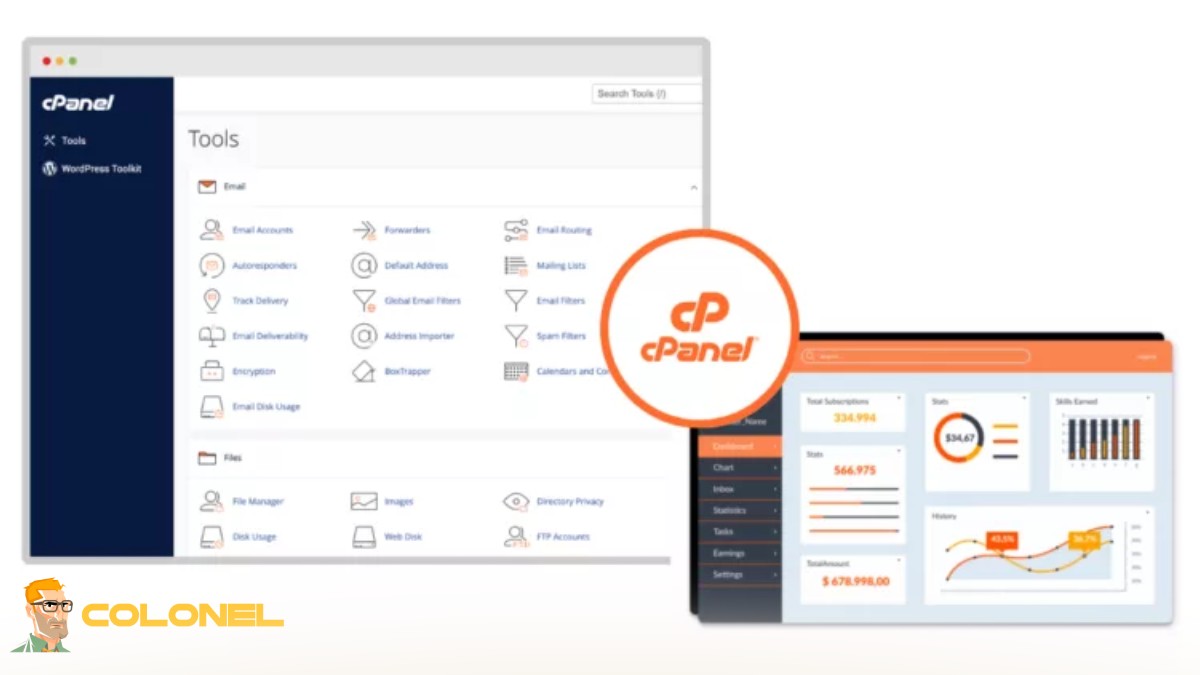
Wählen Sie die richtige cPanel-Zugriffsebene für Ihre Anforderungen
Die Auswahl der richtigen Zugriffsebene hängt ganz von Ihrer Rolle ab.
Wenn Sie Inhaber einer persönlichen Website sind, Standard-cPanel ist ausreichend.
Wenn Sie mehrere Kunden verwalten, Ein Reseller-Zugang kann ideal sein.
Wenn Sie die Serverinfrastruktur beaufsichtigen, WHM- oder Root-Zugriff wird erforderlich.
Zu den zu berücksichtigenden Faktoren gehören::
- Anzahl der Websites
- Sicherheitsverantwortung
- Technisches Fachwissen
- Erlösmodell
- Anpassungsbedarf
Vermeiden Sie es, einen höheren Zugriff ausschließlich aus Flexibilitätsgründen zu wählen, es sei denn, Sie benötigen ihn wirklich, denn mehr Berechtigungen bedeuten größere Sicherheitsrisiken.
Häufige Fehler bei der Verwaltung von cPanel-Benutzerrollen
Viele Hosting-Administratoren machen vermeidbare Fehler bei der Zuweisung von cPanel-Rollen.
- Erteilung übermäßiger Berechtigungen
- Die unnötige Bereitstellung von Root- oder WHM-Zugriff erhöht die Anfälligkeit.
- Ignorieren der Benutzersegmentierung
- Das Mischen mehrerer Kunden unter einem cPanel-Konto kann zu organisatorischem Chaos führen.
- Schwache Authentifizierungsrichtlinien
- Schlechte Passwortrichtlinien gefährden kritische Systeme.
- Vernachlässigung von Sicherheitsupdates
- Veraltete Software schafft vermeidbare Risiken.
Diese Fehler sind oft auf Missverständnisse über die verschiedenen cPanel-Ebenen zurückzuführen, Bekräftigung, warum eine angemessene Rollenerziehung unerlässlich ist.
Best Practices für die effiziente Verwaltung von cPanel-Zugriffsebenen
Um Leistung und Sicherheit zu maximieren:
- Weisen Sie die niedrigsten erforderlichen Berechtigungen zu
- Überprüfen Sie regelmäßig die Kontorollen
- Aktivieren Sie Backups
- Nutzen Sie rollenbasierte Zugriffskontrollen
- Überwachen Sie Serverprotokolle
- Wenden Sie Sicherheitspatches zeitnah an
- Schulen Sie Teammitglieder in Bezug auf Berechtigungsgrenzen
Effizientes Management reduziert Sicherheitsrisiken und verbessert gleichzeitig die Organisation der Arbeitsabläufe.
Für Unternehmen, die ihren Hosting-Betrieb skalieren, Das Beherrschen der verschiedenen cPanel-Ebenen kann zu einer reibungsloseren Erweiterung und weniger Verwaltungsproblemen führen.
Beherrschen Sie den cPanel-Zugriff wie ein Profi
Das Verständnis der cPanel-Hierarchie ist nicht nur technisches Wissen, Es ist entscheidend für die Sicherheit, Effizienz, und geschäftliche Skalierbarkeit. Egal, ob Sie ein einzelner Website-Besitzer sind, Wiederverkäufer-Unternehmer, oder dedizierter Serveradministrator, Die Auswahl der richtigen Berechtigungsstufe kann sich erheblich auf Leistung und Schutz auswirken.
Von Standard-cPanel-Konten bis hin zu vollständigen Root-Rechten, Jede Schicht dient einem bestimmten Zweck. Der Schlüssel liegt darin, den Zugriff auf die tatsächlichen betrieblichen Anforderungen abzustimmen und gleichzeitig unnötige Berechtigungen zu minimieren.
Wenn Sie wirklich verstehen, was die verschiedenen cPanel-Ebenen sind, Sie sind in der Lage, Hosting-Umgebungen intelligenter zu verwalten, sicherer, und profitabler.