

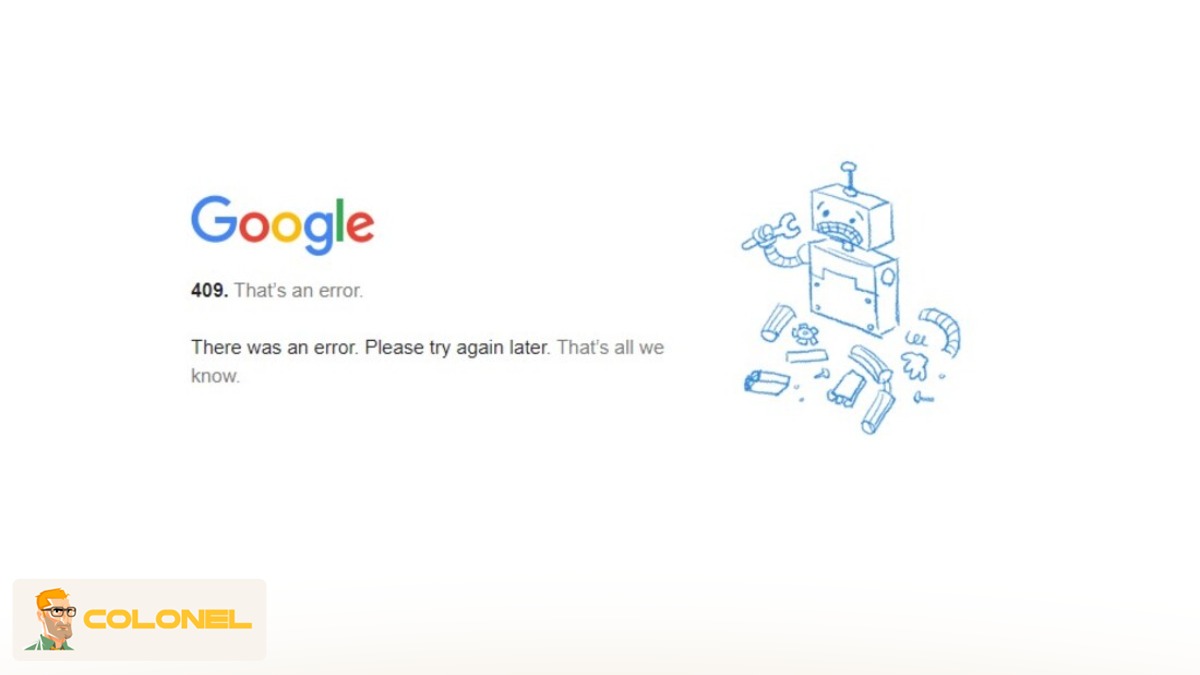
A 409 Conflict Error occurs when a client request cannot be processed because it conflicts with the current state of the target resource. This issue is common in web applications, API's, and content management systems, often appearing during updates, file uploads, or simultaneous requests. Understanding what triggers a 409 Conflict error is essential for resolving it efficiently and preventing it from happening again. In deze gids, we’ll explain what the 409 Conflict error means and walk through clear, step-by-step solutions to fix it properly.
What Is a 409 Conflict Error?
A 409 Conflict Error is an HTTP status code that indicates a request could not be completed because it conflicts with the current state of the target resource on the server. Unlike syntax-related errors or permission issues, this error is fundamentally about state inconsistency. The client sends a valid request, the server understands it, but the operation cannot be executed because the resource is in a conflicting condition.
In modern systems, this type of conflict typically happens in APIs, content management systems, cloud platforms, version-controlled environments, and multi-user applications. Bijvoorbeeld, if two users try to modify the same database record at the same time, or if a client attempts to update a resource that has already changed on the server, the server may respond with this error to prevent data corruption or logical inconsistency.
From an architectural perspective, this behavior is intentional. It protects data integrity by enforcing consistency rules. Rather than allowing overwrites, race conditions, or invalid state transitions, the system blocks the operation until the conflict is resolved. This makes the error a data-protection mechanism, not a system failure.
Common Causes of the 409 Conflict Error
De 409 Conflict Error usually appears when systems enforce data consistency rules across shared resources. These conflicts arise when the logical state of a resource does not match the assumptions made by the incoming request. This can happen due to concurrency, outdated client data, version mismatches, or improper request design.

WordPress-webhosting
Vanaf $ 3,99/maandelijks
In distributed systems and APIs, this issue is especially common because multiple clients interact with the same data simultaneously. When the server detects that the requested operation would violate the current state of a resource, it rejects the request instead of risking data inconsistency.
Conflicting Resource States
Conflicting resource states occur when the server-side representation of a resource does not align with what the client expects. Bijvoorbeeld, a client may try to update a record that has already been deleted, locked, or modified by another process. This mismatch creates a state conflict that prevents the operation from being safely executed.
This often happens in REST APIs where clients cache data locally. If the client uses outdated data to construct an update request, the server detects that the version or state no longer matches and rejects the operation.
Duplicate or Simultaneous Requests
Simultaneous operations targeting the same resource are a major cause of conflicts. When two requests attempt to modify the same entity at nearly the same time, the system must choose which operation to process first. If no locking or synchronization mechanism exists, the server may detect a conflict and block one of the requests.
- Multi-user dashboards
- Real-time collaboration tools
- Financial systems
- Booking and reservation platforms
Version Control and ETag Mismatches
Modern APIs often use ETags, version headers, or revision numbers to track resource versions. If a client sends an update request using an outdated version identifier, the server detects a mismatch and rejects the operation.
This mechanism prevents accidental overwrites and ensures that users do not unknowingly replace newer data with older versions.

Goedkope VPS-server
Vanaf $ 2,99/maandelijks
When Does the 409 Conflict Error Usually Occur?
De 409 Conflict Error is not random. It appears in specific scenarios where systems enforce strict data consistency and concurrency rules. These scenarios typically involve shared data, concurrent access, and state validation mechanisms.
During API Update Requests
API update operations such as PUT, PATCH, En POST frequently trigger conflicts when versioning is enabled. If a client attempts to update a resource without verifying its current state, the server may detect a mismatch and block the operation.
This is especially common in RESTful APIs that use optimistic locking strategies.
While Uploading or Modifying Files
File systems and content management platforms often restrict simultaneous edits. If a file is locked, already modified, or in use by another process, upload or update requests can be rejected to prevent corruption or data loss.
In Multi-User or Concurrent Systems
Applications with multiple active users — such as CRMs, ERPs, SaaS-platforms, and collaborative tools — are naturally prone to conflicts. Without proper synchronization and locking mechanisms, conflicting updates become unavoidable.
Windows VPS-hosting
Remote Access & Full Admin
How to Fix the 409 Conflict Error Step by Step
Resolving the 409 Conflict Error requires a systematic technical approach. This is not a cosmetic fix; it involves understanding request logic, resource state, concurrency control, and server validation rules.
Below is a practical, production-grade troubleshooting workflow.
Check the Current State of the Resource
Eerst, retrieve the latest version of the resource directly from the server using a GET request. This ensures you are not working with stale or cached data.
- Fetch resource using its unique identifier
- Compare timestamps, version fields, or revision IDs
- Validate status fields (active, locked, deleted, archived)
If the resource state differs from what the client expects, the request must be reconstructed using updated data.
Validate Request Methods and Payload
Incorrect HTTP methods or malformed payloads often cause logical conflicts.
- Correct method (
PUTvsPATCH) - Field-level validation
- Schema compliance
- Required fields
- Immutable fields
Server-side validation rules may block updates if restricted fields are included.
Review API Versioning and ETag Headers
If-MatchheadersIf-None-Matchheaders- Resource version numbers
- API revision tokens
If the ETag does not match the current server version, regenerate the request using the latest resource metadata.
Resolve Concurrent Request Conflicts
- Request queuing
- Transaction isolation
- Mutex locks
- Optimistic locking
- Retry mechanisms
Systems must enforce order of execution to prevent race conditions.
Clear Cache and Temporary Data
- Clear client-side cache
- Invalidate CDN cache
- Reset application cache layers
- Clear session data
- Purge API gateway cache
This ensures fresh data synchronization between client and server.
Verify Server-Side Logic and Rules
- Validation middleware
- Authorization rules
- Workflow engines
- Business constraints
- State transition rules
Some conflicts are logical, not technical, meaning the request violates business logic rules rather than system constraints.
How to Prevent 409 Conflict Errors in the Future
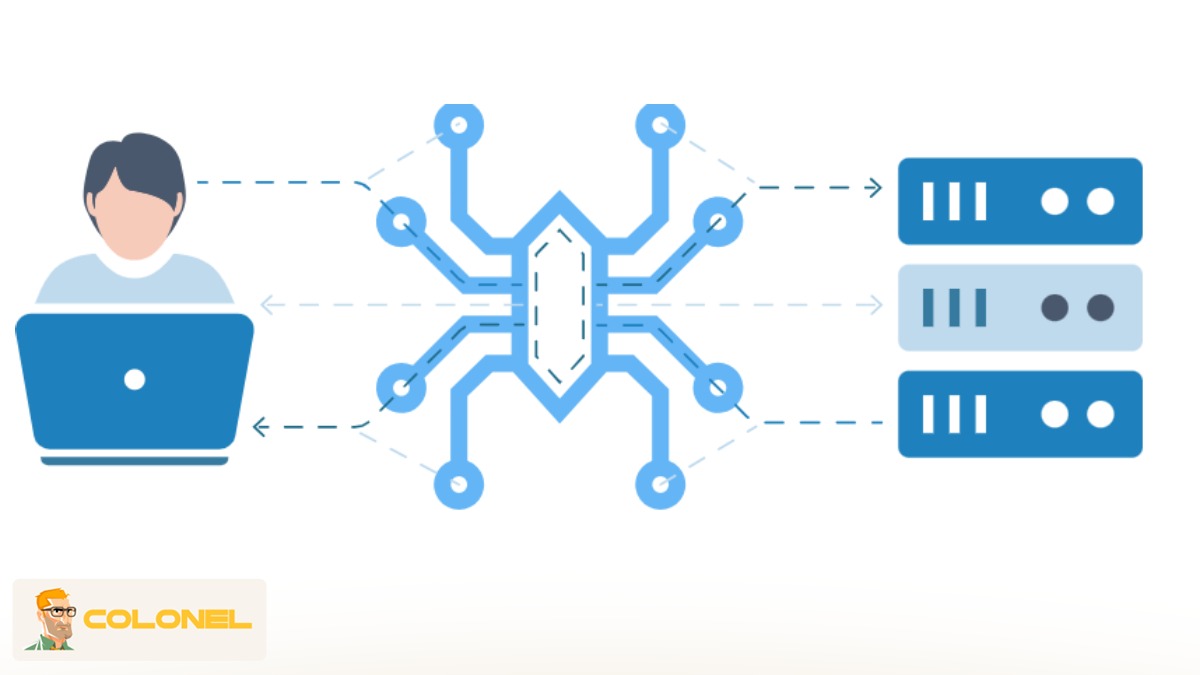
Preventing the 409 Conflict Error requires architectural design decisions, not just fixes. Systems must be built to handle concurrency, versioning, and synchronization from the beginning.
Implement Proper Resource Locking
- Database locks
- Distributed locks (Redis, Zookeeper)
- Application-level mutex systems
- File locks
- Session locks
Use Version Control and Validation
- ETag validation
- Revision numbers
- Hash-based versioning
- Optimistic concurrency control
- State signatures
Improve Error Handling and Logging
High-quality logs and structured error handling help identify conflict patterns early. Monitoring conflict frequency helps detect architectural weaknesses.
409 Conflict Error vs Other HTTP Status Codes
| Status Code | Meaning | Core Difference |
|---|---|---|
| 400 | Bad Request | Syntax or validation error |
| 403 | Forbidden | Permission issue |
| 409 | Conflict | Resource state conflict |
| 412 | Precondition Failed | Conditional request failed |
Conclusie: 409 Conflict Error
De 409 Conflict Error indicates that a request cannot be completed because it conflicts with the current state of a resource on the server. This error commonly occurs in APIs, multi-user systems, and applications that rely on version control or concurrent updates. By understanding its root causes—such as conflicting resource states, simultaneous requests, and version mismatches—developers can diagnose issues more effectively. Applying proper locking mechanisms, validating requests, and improving server-side logic helps resolve conflicts and prevents them from recurring. With a structured troubleshooting approach, this error can be managed efficiently without impacting system stability or user experience.