
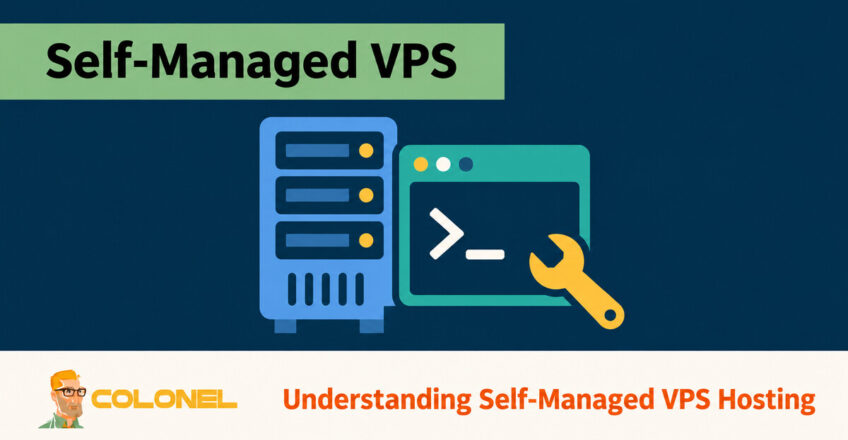
Understanding Self-Managed VPS Hosting
A self-managed VPS, sometimes referred to as an unmanaged VPS, is a virtual private server where the customer is responsible for operating, maintaining, and securing the server environment. Instead of relying on the hosting provider to perform routine administration tasks, users receive direct access to the server and handle configuration, updates, toezicht houden, and troubleshooting themselves.

WordPress-webhosting
Vanaf $ 3,99/maandelijks
This hosting model provides complete administrative control and flexibility, making it a popular choice for developers, systeembeheerders, and organizations that need custom server configurations.
A self-managed VPS normally leaves guest operating-system and application administration to the customer. Managed plans include an agreed set of tasks, which varies by provider and should be checked in the service scope.
Who Should Use a Self-Managed VPS?
A self-managed VPS is well suited for users who are comfortable working with server environments and have experience with operating systems, netwerken, and application deployment.
Common users include:
- Developers building and testing applications
- System administrators managing multiple servers
- Businesses requiring custom software environments
- Organizations with in-house technical teams
- Users seeking lower hosting costs while maintaining full control
Projects that require specialized software stacks, unique configurations, or advanced customization often benefit from the freedom that a self-managed VPS provides.
Advantages of a Self-Managed VPS
Complete Control Over the Server Environment
One of the biggest advantages of a self-managed VPS is unrestricted access to server settings and software.
Goedkope VPS-server
Vanaf $ 2,99/maandelijks
Users can:
- Install their preferred operating system
- Deploy custom applications and services
- Configure networking and firewall settings
- Adjust system performance parameters
- Create tailored hosting environments for specific workloads
This flexibility allows businesses and developers to build infrastructure that matches their exact requirements.
Lower Hosting Costs
Since server administration services are not included, self-managed VPS plans generally cost less than managed alternatives.
This can be especially beneficial for:
- Development teams running multiple environments
- Small businesses with technical expertise
- Startups looking to reduce operating expenses
- Experienced users who do not require administrative assistance
The lower monthly cost allows resources to be allocated toward application development, infrastructure expansion, or other business priorities.
Geoptimaliseerde prestaties
A VPS provides an isolated guest environment with allocated resources. CPU-planning, storage I/O and networking may be shared; dedicated physical cores are a separate plan characteristic.
Windows VPS-hosting
Toegang op afstand en volledig beheer
Voordelen zijn onder meer:
- Defined vCPU allocation, with sharing determined by the plan
- Reserved RAM resources
- Private storage capacity
- Performance subject to allocation and host contention
Because users have full control over the operating environment, they can optimize databases, cachesystemen, web servers, and application settings to maximize performance.
Enhanced Security Flexibility
With a self-managed VPS, security policies are defined and implemented by the user rather than being restricted to a hosting provider’s default configuration.
Administrators can:
- Deploy custom firewall rules
- Configure secure SSH authentication
- Install intrusion detection systems
- Implement malware scanning tools
- Apply security updates according to internal policies
- Build security frameworks tailored to specific compliance requirements
This level of control can be valuable for projects with specialized security needs.
Challenges of Self-Managed VPS Hosting
While a self-managed VPS offers significant flexibility, it also introduces additional responsibilities.
Server Administration Responsibilities
Users are responsible for configuring and maintaining the entire server environment.
Typical tasks include:
- Installatie van besturingssysteem
- Software deployment
- Service configuration
- Prestatiemonitoring
- Back-upbeheer
- Troubleshooting server issues
Without server administration experience, these responsibilities can become difficult to manage effectively.
Beveiligingsonderhoud
Security management is an ongoing process that requires regular attention.
Users must:
- Install security patches
- Monitor vulnerabilities
- Review access permissions
- Maintain firewall configurations
- Respond to emerging threats
Failing to perform these tasks can increase the risk of downtime or security incidents.
Limited Administrative Support
Most self-managed VPS plans include infrastructure support only.
The hosting provider typically maintains:
- Physical hardware
- Voedingssystemen
- Netwerkconnectiviteit
- Virtualization infrastructure
Application-level issues, operating system problems, and software troubleshooting usually remain the responsibility of the customer.
Leercurve
Operating a VPS requires familiarity with several technical areas, inbegrepen:
- Linux or Windows administration
- Command-line tools
- Network configuration
- Beveiligingsbeheer
- Configuratie van de webserver
- Database administration
Voor beginners, learning these skills may require a significant investment of time.
Common Use Cases for Self-Managed VPS Hosting
Website and Application Hosting
Developers often choose self-managed VPS hosting when they need complete control over application deployment, server software, en prestatieafstemming.
Game Server Hosting
A VPS can host multiplayer game servers while providing more control than shared hosting solutions.
Populaire voorbeelden zijn onder meer:
- Minecraft
- Roest
- ARK
- Counter-Strike servers
Ontwikkel- en testomgevingen
Virtual private servers provide isolated environments where developers can test applications, kaders, updates, and deployment processes without affecting production systems.
Self-Hosted Services
Many organizations use VPS hosting to run their own applications and services, zoals:
- File synchronization platforms
- Source code repositories
- Team collaboration tools
- Video conferencing systems
- Internal business applications
VPN and Proxy Services
A VPS can be configured to provide secure remote access, encrypted communications, or private networking services.
Private Email Hosting
Organizations that prefer to manage their own messaging infrastructure can use a VPS to operate custom email services with full administrative control.
Data Processing and Automation
A VPS can be used for:
- Scheduled automation tasks
- Data processing workloads
- Bewakingssystemen
- Application integrations
- Web crawling and automation projects
How a Self-Managed VPS Works
The process of using a self-managed VPS is straightforward.
1. Provisioning the Virtual Server
The hosting provider provisions a virtual machine with the CPU, RAM, storage and network limits specified by the plan. Ask which resources are reserved and which are shared.
2. Administratieve toegang
Users receive administrator-level access to the server.
Depending on the operating system, this may include:
- Root access on Linux
- Administrator access on Windows
3. Environment Configuration
The user installs and configures all required software, inbegrepen:
- Webservers
- Databases
- Bedieningspanelen
- Ontwikkelingshulpmiddelen
- Security applications
4. Beveiligingsconfiguratie
Firewall policies, authenticatiemethoden, monitoringinstrumenten, and security updates must be configured and maintained by the server administrator.
5. Ongoing Maintenance
Routine maintenance tasks include monitoring system performance, resolving software issues, het beheren van back-ups, and applying updates.
6. Resource Scaling
As projects grow, VPS resources can typically be expanded by increasing available CPU, RAM, or storage capacity.
Choosing a Self-Managed VPS
Vergelijken VPS-hosting plans by resource allocation and support scope. If your team cannot maintain the operating system and applications, review the included responsibilities of managed VPS hosting.
A self-managed VPS provides maximum flexibility and administrative control while reducing hosting costs. It is particularly suitable for developers, technical teams, and experienced users who prefer managing their own infrastructure.
Before choosing a self-managed VPS, evaluate the level of technical expertise available within your organization and determine whether you can comfortably handle server administration, security maintenance, and ongoing operational tasks. For projects that require full customization and direct control over the hosting environment, a self-managed VPS can provide a highly adaptable and scalable platform.