

Choosing the best VPS provider is a strategic decision that directly affects your application performance, website stability, and long-term scalability. A high-quality VPS provider ensures predictable resource allocation, strong security controls, and infrastructure capable of supporting both small and enterprise-level workloads.
In this guide, we examine critical evaluation criteria that determine whether a VPS provider is truly reliable, using best industry practices and competitive benchmarks. These insights help you make an informed decision while aligning your hosting strategy with performance, uptime, security, and future growth objectives.
What Defines the Best VPS Provider
A strong VPS Server Hosting provider does more than allocate CPU or RAM; it ensures infrastructure consistency, predictable performance, secure virtualization, and long-term cost-efficiency. These attributes become essential as websites and applications scale and require higher levels of control, isolation, and reliability compared to shared hosting.
Colonel, for example, is recognized for leveraging enterprise-grade hardware and modern NVMe storage, ensuring the performance needed for demanding workloads. When assessing these foundational factors, users should analyze:
- Hardware Quality
- Virtualization Technology
- Support Responsiveness
- Geographical Distribution
- Network Infrastructure
According to HostAdvice:
“Reliability, security, and scalability are the pillars of a high-performing VPS. Choosing the right provider ensures business continuity and performance for critical applications.”

WordPress Web Hosting
Starting From $3.99/Monthly
Performance and Speed
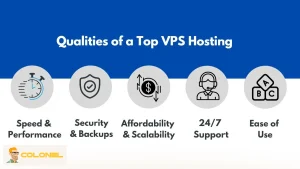
Performance is the most decisive factor when selecting the best VPS provider, because CPU power, RAM stability, storage throughput, and network bandwidth directly affect application responsiveness. A provider that invests in high-speed infrastructure will always deliver more predictable and consistent performance, especially for resource-intensive workloads and traffic spikes.
Before comparing specific VPS plans, it is essential to review the hardware stack, virtualization technology, and storage architecture. Below are core performance metrics that should always be examined when evaluating hosting providers.
Key Performance Elements You Should Evaluate
These indicators determine whether a provider can deliver fast and stable hosting performance across various real-world use cases.
| Performance Factor | Description | Why It Matters |
| vCPU Quality | CPU generation, clock speed, and dedicated vs. shared resources | Influences request handling and application logic |
| RAM Allocation | Guaranteed memory vs. burstable memory | Ensures smooth multitasking and prevents crashes |
| NVMe or SSD Storage | Storage type and read/write speeds | Determines overall load times and database performance |
| Virtualization Type (KVM preferred) | KVM, VMware, Xen | Stronger isolation, consistent resources |
| Network Throughput | Uplink speed and routing quality | Affects global accessibility and latency |
Colonel utilizes KVM virtualization combined with NVMe SSD storage, allowing developers and businesses to maintain high-speed application performance even under peak demand.
Reliability, Stability, and Uptime Guarantees
Reliability is a critical differentiator when selecting the best VPS provider because uptime directly impacts business revenue, search engine ranking, and user trust. A provider with robust network architecture and redundant systems delivers a hosting environment capable of maintaining continual service availability even during unexpected failures.

Cheap VPS Server
Starting From $2.99/Monthly
When comparing reliability, look not only at the advertised uptime but also at data center certification, redundancy layers, disaster recovery capabilities, and component quality. These factors reflect the VPS provider’s long-term operational maturity and technical readiness.

What You Should Look for in Reliable VPS Infrastructure
Before selecting a VPS provider, ensure they address the following reliability standards:
- Certified data centers (Tier III or higher)
Enterprise-grade facilities guarantee redundancy for power, cooling, and network connectivity. - At least 99.9% uptime SLA
Anything below this threshold increases the likelihood of service interruptions. - Failover and backup systems
Ensures continuity in the event of disk failures or hardware degradation.
Colonel operates modern data centers with strict uptime guarantees and advanced redundancy mechanisms, making it a strong choice for mission-critical hosting environments.
Server Location and Global Latency
Selecting the right server location is one of the most overlooked yet decisive factors when evaluating the best VPS provider. The physical distance between your users and the hosting server directly affects website speed, latency, and SEO ranking. A strategically chosen data center can significantly enhance user experience and reduce load times for global traffic.
A provider with a well-distributed global network can match your hosting environment to your audience location with precision. Colonel’s multi-region VPS infrastructure enables businesses to deploy workloads in regions closest to their target users, reducing latency and improving application responsiveness.
Windows VPS Hosting
Remote Access & Full Admin

When Server Location Matters Most
- E-commerce stores with global buyers: Faster checkout and browsing increase conversions.
- SaaS applications requiring real-time processing: Low latency ensures smooth user interaction.
- Websites with strict data residency requirements: Hosting must comply with local regulations and privacy standards.
Operating System Flexibility
A versatile operating system selection ensures compatibility with your application stack, deployment environment, and security configurations. The best VPS provider should offer a wide OS selection alongside the ability to customize versions and install specific packages as needed.
Choosing between Linux and Windows often depends on your project requirements. Developers working with open-source frameworks typically prefer Linux distributions, while enterprise applications relying on Microsoft technologies may require Windows Server.
Common OS Options You Should Expect
- Linux Distributions (Ubuntu, Debian, CentOS, AlmaLinux, Rocky Linux)
Recommended for most development environments and server applications. - Windows Server Editions
Ideal for .NET applications, MSSQL hosting, and enterprise environments. - Custom OS installation options
A valuable feature for developers with advanced configuration needs.
Colonel supports a broad range of operating systems, empowering developers and businesses to deploy environments tailored to performance, security, and application-specific requirements.
Managed vs. Unmanaged VPS Hosting
Choosing between managed and unmanaged hosting significantly influences your operational workflow and technical responsibilities. The best VPS provider should clearly define what is included in management plans, enabling users to select the model that aligns with their skill level and preferred level of control.
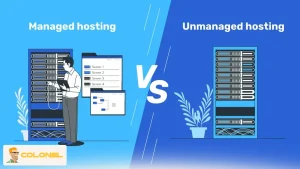
Unmanaged VPS hosting is ideal for developers and system administrators who require full autonomy, while managed VPS hosting benefits users who prefer simplified operations with provider-led server maintenance.
Comparison: Managed vs. Unmanaged Hosting
| Feature | Managed VPS | Unmanaged VPS |
| Server Maintenance | Handled by provider | User-managed |
| Security Patching | Automated | Manual |
| Control Level | Moderate | Full root access |
| Technical Skill Required | Low | Medium to high |
| Best For | Businesses, beginners | Developers, DevOps teams |
Colonel delivers both options, allowing customers to choose the support level that aligns best with their operational goals and technical expertise.
Root Access and Server Control
Full root access is a crucial feature for developers and businesses who need complete control over their VPS environment. It allows users to configure server settings, install custom software, and optimize performance for specific applications.
Without root access, administrative limitations can restrict deployment flexibility and server customization. Colonel’s VPS plans provide full root access, enabling precise server configurations and advanced management of applications.
Root access also strengthens security by allowing users to configure firewalls, manage SSH keys, and implement tailored security protocols. This ensures both operational flexibility and data protection, which are essential when selecting the best VPS provider.
Scalability and Resource Flexibility
A reliable VPS provider should offer seamless scalability, allowing businesses to adjust resources such as CPU, RAM, storage, and bandwidth according to demand. Inadequate scalability can lead to downtime or degraded performance during traffic surges. Colonel provides VPS solutions that support on-the-fly resource scaling, ensuring applications remain stable and responsive as usage grows.
Scalability can be approached in two ways:
- Vertical scaling: Increasing resources within the existing VPS instance.
- Horizontal scaling: Adding more server instances to distribute workload.
By supporting both methods, Colonel ensures high-traffic websites and growing applications maintain optimal performance without interruptions.
Security Measures and Compliance
Security is a critical consideration for any VPS deployment. Isolation from other users offers a baseline, but additional protections are necessary to prevent breaches, data loss, and unauthorized access. Colonel integrates advanced security features, including automated backups, DDoS protection, firewall management, and regular OS updates, to ensure both data integrity and operational stability.
Compliance with industry regulations, such as GDPR or HIPAA, is an additional benefit for businesses handling sensitive information. Choosing a provider with verified security standards and certifications safeguards data while maintaining legal and operational compliance.

Customer Support and Technical Assistance
Even the most reliable VPS systems can face technical issues, making responsive customer support essential. The best VPS provider offers 24/7 technical assistance across multiple channels, ensuring the timely resolution of server or application problems.
Colonel delivers comprehensive support via live chat, ticketing, and documentation, minimizing downtime and facilitating smooth server management.
Proactive support includes setup guides, tutorials, and troubleshooting resources, making it easier for less experienced users to manage servers effectively. This combination of infrastructure quality and responsive support is a hallmark of a top-tier VPS provider.
Pricing Models and Value for Money
Cost is an important factor, but the best VPS provider balances affordability with performance and support quality. Transparent pricing ensures no hidden fees, and pay-as-you-go or monthly billing models provide financial flexibility. Colonel’s pricing structure allows businesses to scale resources without unexpected costs, providing long-term value for growing projects.
When evaluating VPS providers, consider total value rather than just base price. Reliable performance, advanced security, and responsive support often justify higher investment for sustainable growth.
Conclusion
Choosing the best VPS provider requires a comprehensive evaluation of performance, uptime, scalability, root access, security, support, and pricing. Colonel excels across all these critical areas, offering enterprise-grade infrastructure, flexible server configurations, robust security, and reliable technical support.
By prioritizing these factors, businesses and developers can ensure a stable, secure, and scalable VPS environment capable of supporting long-term growth.