
AI Training vs Inference: Server Requirements
Understanding the Difference Between AI Training and AI Inference
Artificial intelligence workloads generally fall into two categories: training and inference. Although both rely on machine learning models, their infrastructure requirements are significantly different.
Training is the process of teaching a model using large datasets. It requires enormous computational resources, ...
APU vs Dedicated GPU: Key Differences
APU vs GPU: Which One Is Right for Your Workload?
Modern computing systems often rely on specialized processors to improve performance and efficiency. Two technologies frequently compared are Accelerated Processing Units (APUs) and Graphics Processing Units (GPUs).
An APU contains a GPU, so these terms are not opposites. This ...
6 GPUs for AI and Deep Learning Compared
Choosing the Right GPU for AI and Deep Learning Workloads
Artificial intelligence continues to evolve rapidly, and modern models require increasingly powerful hardware. Whether you are training large language models, fine-tuning foundation models, deploying inference services, or running computer vision workloads, selecting the right GPU can significantly impact ...

GPU Hosting Providers: How to Compare AI Hosting
Comparing GPU Hosting Providers for AI
As artificial intelligence, machine learning, data analytics, and high-performance computing continue to grow, access to powerful GPU infrastructure has become a requirement for many organizations. Purchasing and maintaining GPU hardware can be expensive, which is why GPU server hosting has become a ...
Cloud GPU vs Bare Metal: Which Hosting Fits?
Cloud GPU vs GPU Bare Metal Hosting
GPU computing has become a core part of modern technology. Artificial intelligence, machine learning, deep learning, scientific simulations, cybersecurity platforms, and data analytics systems all rely heavily on GPU acceleration to process workloads efficiently.
As demand for GPU resources continues to grow, ...
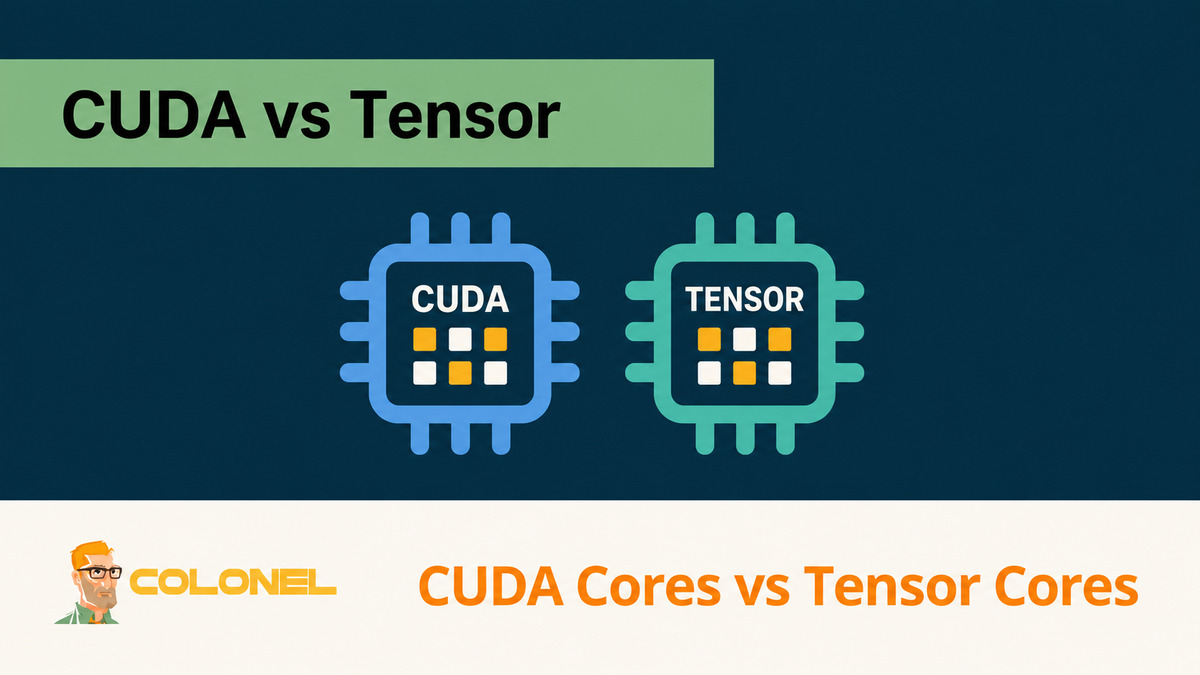
CUDA Cores vs Tensor Cores: Key Differences
What Is a GPU?
A Graphics Processing Unit (GPU) is a specialized processor designed to handle large numbers of calculations simultaneously. Unlike traditional CPUs, which focus on sequential processing, GPUs excel at parallel processing, making them ideal for graphics rendering, artificial intelligence, machine learning, scientific simulations, data analytics, ...
GPU Memory Explained: Why It Matters for AI, HPC, and Modern Computing
What Is GPU Memory?
GPU memory is a specialized form of memory designed specifically for graphics processing units (GPUs). It stores the data that GPUs need to process quickly, enabling them to handle highly parallel workloads far more efficiently than traditional processors.
Unlike standard system memory, GPU memory is ...
GPU for AI: How Graphics Processing Units Power Modern Artificial Intelligence
Why GPUs Have Become Essential for AI
Artificial intelligence has transformed nearly every industry. From cybersecurity and healthcare to finance, manufacturing, and software development, AI systems now process enormous amounts of data every day.
Behind much of this progress is a piece of hardware originally designed for graphics rendering: ...

GPU Server Hosting for Gaming: When It’s Time to Upgrade
GPU Server Hosting for Gaming: When It’s Time to Upgrade
Modern gaming has evolved far beyond simply launching a game on a desktop computer. Competitive streaming, multiplayer hosting, cloud gaming, game development, and virtual reality environments all place significant demands on hardware resources.
As gaming workloads continue to grow, ...
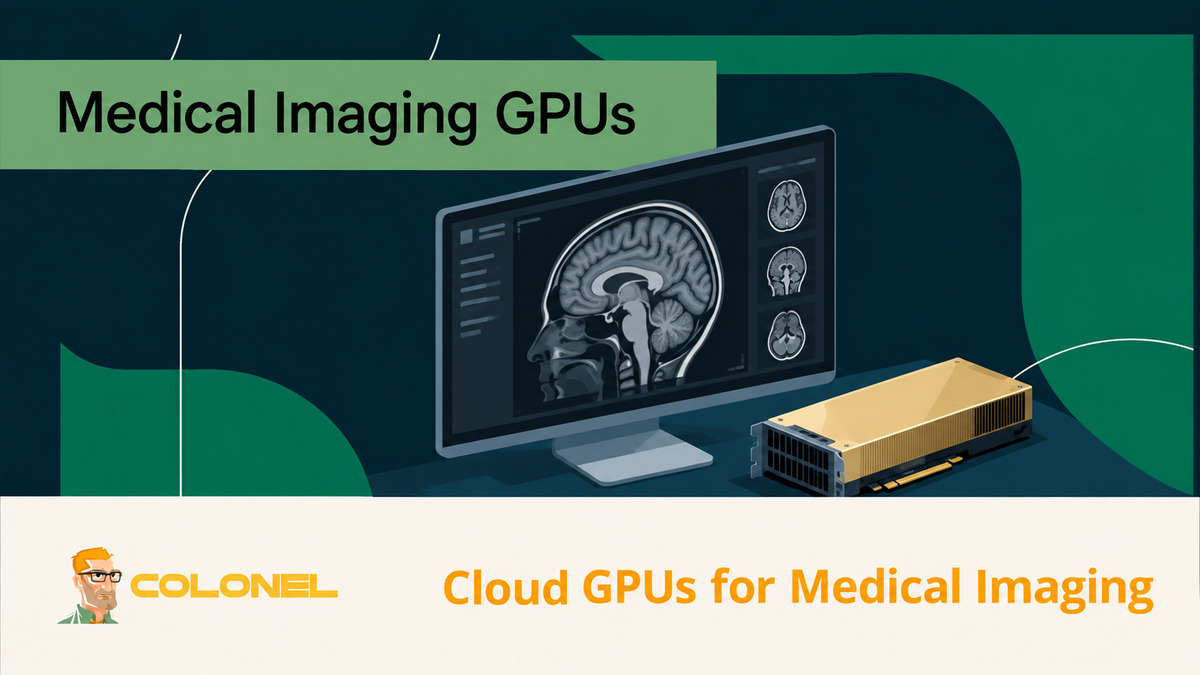
Revolutionizing Medical Imaging with Cloud GPUs
Revolutionizing Medical Imaging with Cloud GPUs
Medical imaging has transformed modern healthcare by allowing clinicians to diagnose diseases, monitor treatments, and evaluate patient conditions without invasive procedures. Technologies such as CT scans, MRI systems, ultrasound imaging, and digital radiology generate highly detailed images that help physicians make informed ...
Enhancing Visual Effects Production with GPU-Powered Cloud Rendering
Why Modern VFX Workflows Need More Computing Power
Visual effects production has evolved dramatically over the last decade. Studios now create highly detailed digital environments, realistic simulations, advanced character animations, and cinematic-quality visual effects that demand enormous computational resources.
Today's projects regularly include:
Complex smoke, fire, and fluid simulations
...
What Is a Safe GPU Temperature While Gaming?
Why GPU Temperature Matters
A graphics processing unit works hard whenever you launch a game, render 3D scenes, or run GPU-intensive applications. As workload increases, power consumption rises and heat output follows. While modern graphics cards are built to operate safely under substantial thermal loads, excessive temperatures can ...
What Is GPU as a Service (GPUaaS)
Understanding GPU as a Service
Graphics processing units have become a core component of modern computing. From artificial intelligence and machine learning to scientific simulations, video rendering, and data analytics, organizations increasingly depend on GPU acceleration to process large workloads efficiently.
As demand for GPU resources continues to grow, ...
Multi-GPU Setups for Large Model Training: Scaling Strategies and Hardware Considerations
Why Multi-GPU Training Has Become Essential
As machine learning models continue to increase in size and complexity, relying on a single GPU is becoming less practical for many training workloads. Modern large language models, multimodal systems, image generation platforms, and advanced neural networks require substantial computational resources that ...